
Equatorial Guinea to pass new hydrocarbon law aimed at reversing 85% crude production decline
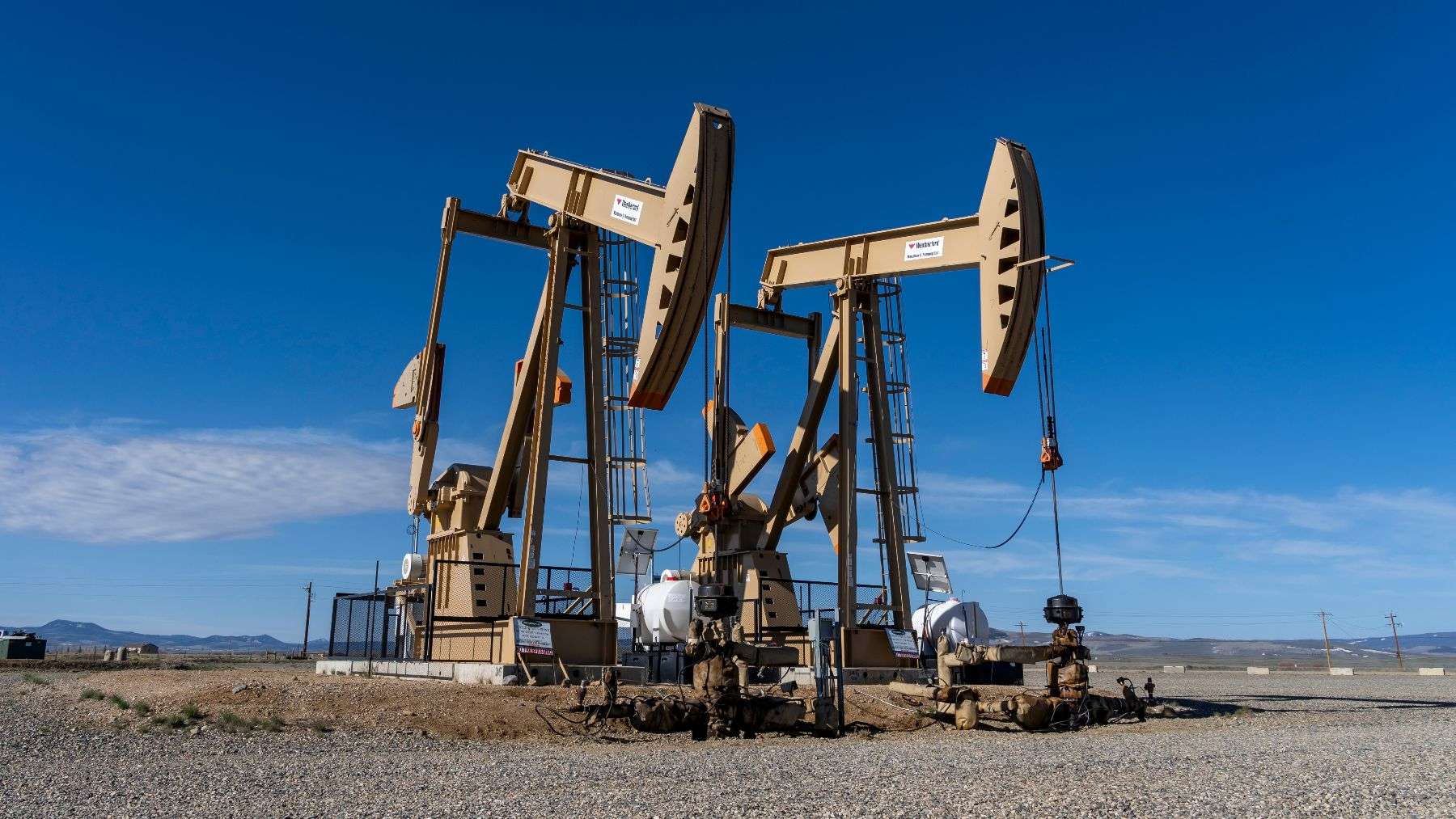
Equatorial Guinea is set to approve a new hydrocarbon law Monday, according to Minister of Hydrocarbons Antonio Oburu Ondo. The government says it’s designed to pull in fresh investment and get drilling going again in a country where crude output has cratered more than 85% since 2020.
OPEC’s smallest member is now pumping just 20,000 barrels of crude per day — down from 140,000 barrels per day six years ago. The new law, Ondo said, aims to bring “more competitiveness, more flexibility” to the terms on offer for oil companies.
Equatorial Guinea approves new hydrocarbon law on Monday
Ondo made the announcement from the sidelines of an industry conference in Cape Town, laying out the government’s case for renewed investment. The new hydrocarbon law — set to be formally approved Monday — is built to make Equatorial Guinea a more attractive destination for oil companies through more competitive and flexible contractual terms.
Equatorial Guinea has some of the worst social indicators on the African continent, and its human rights record has drawn sustained international criticism.
He was clear that the government isn’t chasing a specific production number. “We don’t have a target per se,” he said, “but what we are focusing on is to make sure that companies start their drilling campaigns.” Get rigs in the water, and trust that output follows.
Production has fallen more than 85% since 2020
The scale of the decline is hard to ignore. Equatorial Guinea was pumping 140,000 barrels per day in 2020. By September of this year, that figure had dropped to just 20,000 barrels per day, according to Bloomberg data. This isn’t a gradual fade — it’s a collapse.
The economic fallout is real, and it’s compounding. The IMF projects a 1.7% contraction in Equatorial Guinea’s GDP this year, with the shrinking oil sector bearing much of the blame. For a country that built its economy almost entirely on hydrocarbon revenues, a decline of this magnitude leaves almost nothing to fall back on. The urgency behind the new law makes obvious sense in that context — without a meaningful uptick in drilling activity, the country’s fiscal position will likely keep deteriorating.
New law offers broader contractual options and special economic zones
The legislation is structured to appeal to a range of investors, not just the major players. According to Ondo, the law covers both development of existing fields and exploration for new resources, offering a “wide range of contractual options based on risk appetite” — meaning companies with different tolerances for geological and financial risk can find terms that work for them.
The government is also signaling openness to direct, bilateral conversations about available blocks rather than rigid licensing rounds. Special economic zones have been established to sweeten the deal for foreign investors looking at the broader business environment, not just oil. Taken together, these moves suggest Equatorial Guinea is trying to lower barriers and cut the friction that slows investment decisions in frontier markets.
Current investors include Chevron, Meren Energy, and Vaalco; ExxonMobil exited in 2024
Not everyone has walked away. Chevron’s involvement in Equatorial Guinea’s gas sector has been described as a genuine bright spot. Explorers Meren Energy and Vaalco Energy are also active, keeping some drilling momentum alive even as bigger players have pulled back.
The most significant departure was ExxonMobil, which left in 2024 after nearly three decades of operations in the country — a meaningful loss both in production capacity and in the signal it sends to other potential investors. Ondo addressed that hesitation directly. Companies evaluating Equatorial Guinea, he said, look at “fiscal, legal, geological, you name it.” His point was clear: the new law is meant to improve that analysis in practice, not just on paper. “Without a positive outcome that comes out of this analysis,” he added, “I doubt it very much that they would invest.”
Oil wealth, OPEC membership, and a complicated governance record
Equatorial Guinea holds a unique spot in OPEC as the alliance’s smallest member. Despite its own declining output — and despite some countries leaving the group entirely — the country still sees value in belonging. “It’s always a good thing to be part of a group, right? Especially a group with such an influence,” Ondo said. Collective bargaining and shared visibility matter, even for smaller producers.
The country’s oil history carries a heavier weight, though. The boom years enriched the ruling elite, including President Teodoro Obiang Nguema Mbasogo, who seized power in 1979 and has held it ever since. Decades of hydrocarbon revenue have done little for ordinary citizens. Equatorial Guinea has some of the worst social indicators on the African continent, and its human rights record has drawn sustained international criticism. Those factors don’t disappear from an investor’s due diligence process — alongside the fiscal and legal terms the new law is meant to improve, companies will keep weighing the political and reputational dimensions of operating there.
What the new law means for Equatorial Guinea’s oil future
Equatorial Guinea is betting that a more flexible legal framework — one covering exploration and development, offering varied contract structures, and opening the door to bilateral negotiations — can reverse a production decline that has gutted its economy. Monday’s approval is the first step. Whether it actually translates into drilling campaigns will depend on how seriously oil companies take the new terms, and how they weigh the full picture of risks and opportunities the country presents.
Kelly is an experienced writer with 15 years of experience exploring the big stories that shape our world, from tech breakthroughs and space exploration to climate, energy, and the fascinating quirks of science. She has a talent for turning complex ideas into sharp, memorable insights that stay with readers long after they’ve finished reading.
