
Oregon’s Trail Bridge Dam stopped generating for four months, sending summer flows over its spillway for migrating fish
As far as renewable energy goes, we are living in interesting times. Things get even more interesting when you add in the needs of the natural world.
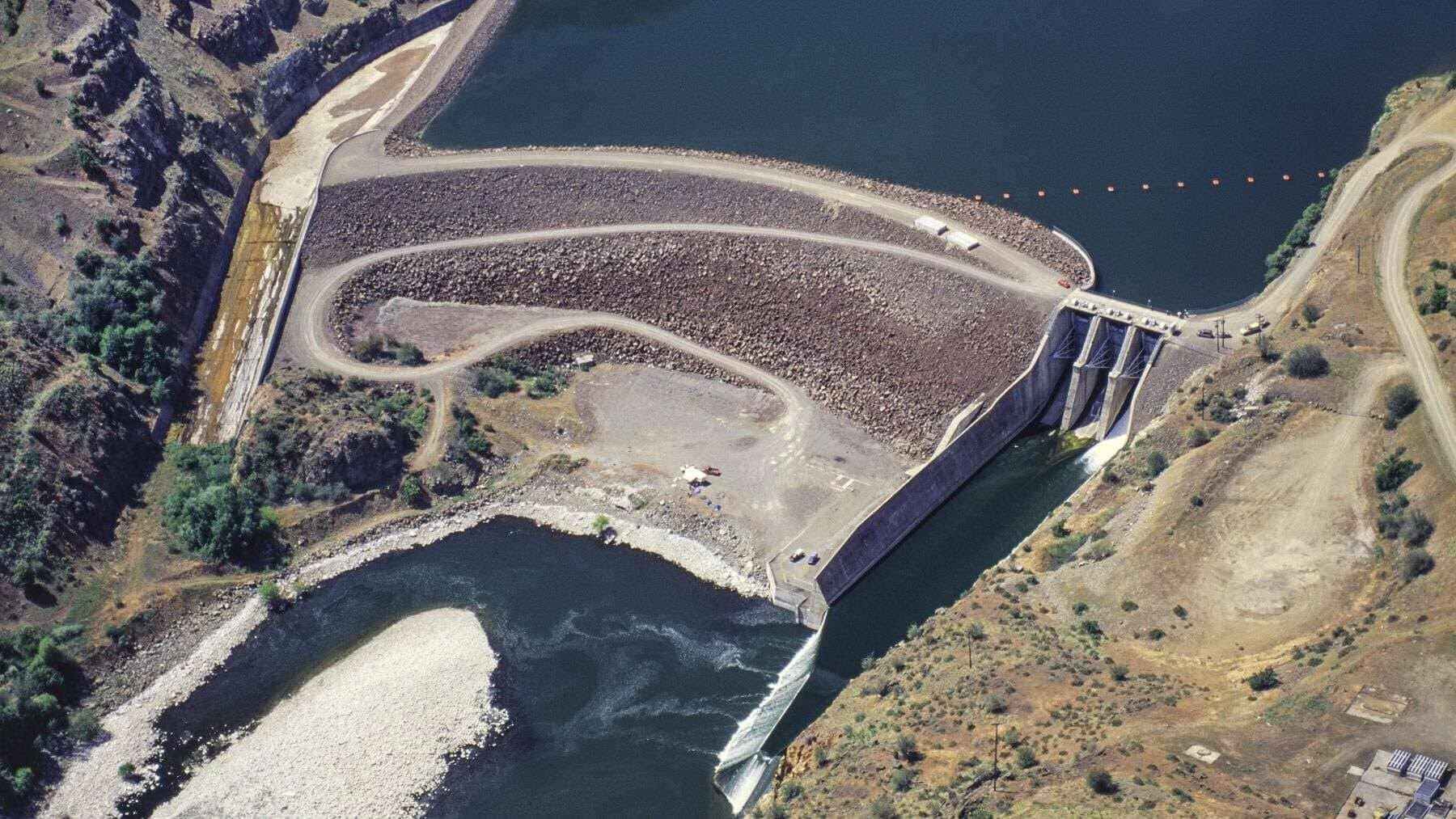
One hydroelectric dam in Oregon has spent four months doing something that might seem unusual: not generating any electricity. Instead, it has allowed water to flow over its spillway as a way of helping young fish by improving the safety of their journey downstream.
While this was only temporary, with the shutdown ending on 31 October 2026, should we be switching off one of our cleanest energy sources ocassionally as a means of protecting wildlife?
Reducing the generation of carbon-free electricity, even temporarily, means that output takes a back seat in favor of environmental protection.
Making a power move
The Trail Bridge Powerhouse in Oregon temporarily stopped generating electricity on 2 July 2026, which was part of an effort to to support the seasonal migration of fish along the McKenzie River.
While water would usually be directed through the turbines, it was instead allowed to flow over the dam’s spillway – a process known as full-spill operation. This makes the route easier for young fish that are travelling downstream from the area above the dam.
This facility is one of three dams, three reservoirs and two powerhouses located near the headwaters of the McKenzie River – a network that makes up the Carmen-Smith Hydropower Project.
Part of the Trail Bridge facility’s operating license requires that this annual shutdown takes place.
Where clean energy and wildlife protection meet
With a perfectly good renewable energy source at its disposal, why would a facility deliberately stop producing electricity?
It all has to do with the journey of the fish that swim the waters of the McKenzie River.
The move downstream can be a challenging journey for for young salmon and trout, which is further complicated by the need to navigate through electricity-generating infrastructure along their route.
This is why, to provide the migrating fish with a safer passage to their destination, the turbines are switched off and water is being directed over the dam’s spillway.
But, as with most things in life, this operation is all about balance.
Reducing the generation of carbon-free electricity, even temporarily, means that output takes a back seat in favor of environmental protection.
There’s a bigger picture
While it might seem impractical for a hydroelectric dam to cease normal operations for a four-month period, it is actually part of a much bigger environmental plan.
Changing fish migration permanently
The Carmen-Smith Hydropower Project is operated by the Eugene Water & Electric Board (EWEB), which is working with fishery regulators to make improvements to fish migration.
Trail Bridge Dam is the furthest upstream point that fish can reach naturally along this stretch of river. This is because the Tamolitch Falls beyond it creates a barrier that prevents the fish from making their way further upstream.
EWEB is addressing this with a plan to install a permanent trap-and-haul facility below the dam which, once it is in operation, will allow adult salmon and bull trout to be transported upstream to historic spawning grounds.
An investment in the river’s future
There is a lot more to these plans.
EWEB will also be investing $24 million to create a permanent downstream fish-passage facility at Trail Bridge – a project that forms part of a much larger environmental commitment linked to the renewal of the Carmen-Smith Hydropower Project’s 40-year operating licence.
So far, $45 million has been invested in projects with the aim of reducing the impact on local fish populations.
A river for all
While renewable energy and environmental conservation often go hand-in-hand, this project shows how even clean energy infrastructure needs to make changes to accommodate the ecosystems around it.
Oregon’s Trail Bridge project reminds us that we have to look beyond carbon emissions and consider the animals that share our resources if we want to protect the planet.
Could this approach be part of a bigger shift in hydropower?

