
Arizona’s 340-MW Snowflake wind project is on hold while developers reconsider its location
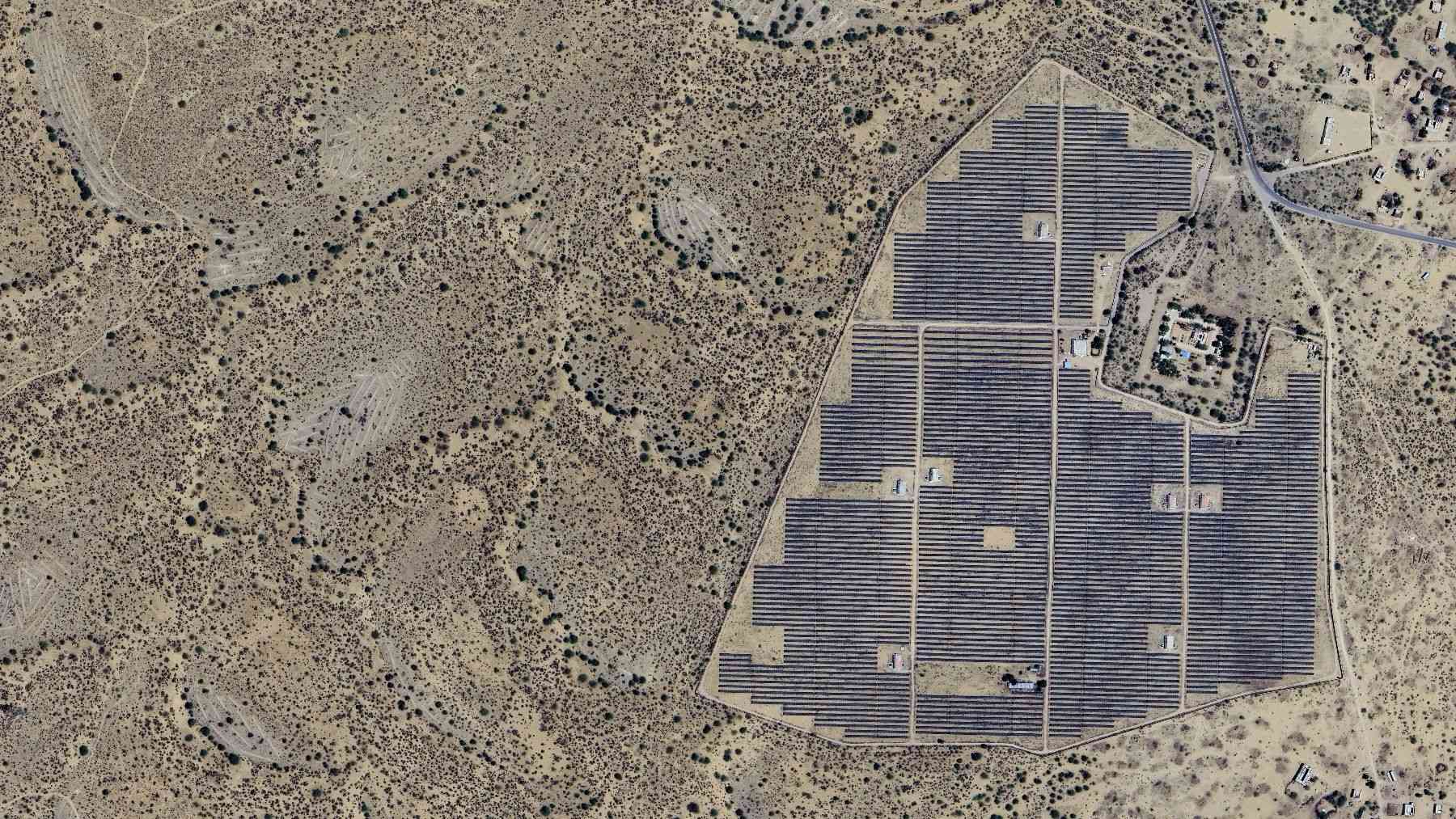
The Snowflake Wind Project is stalled. But why? The developer is looking at other sites for the project and has delayed a presentation to the county planned for this week.
Wind projects can take years to move from a proposal to completion, and finding the right location is often one of the greatest challenges.
The suspension comes as officials consider the project’s impact on nearby homes, national forest land, and local planning rules. So why is it so difficult to pick the perfect place?
The question is whether a developer can find a site where the renewable-energy project can operate without clashing with local land-use priorities.
A major wind project development
The Papermill Wind project is proposed about five miles west of Snowflake in Navajo County, Arizona. Developer BluEarth Renewables US has proposed up to 85 wind turbines with a total generating capacity of 340 MW.
That’s only part of the proposed development. The project would also include a battery energy storage system of up to 500 MW, along with transmission infrastructure and access roads.
The proposed project area encompasses about 30,353 acres of leased land in unincorporated Navajo County. The development would also need an operations and maintenance building, security fencing, and stormwater facilities.
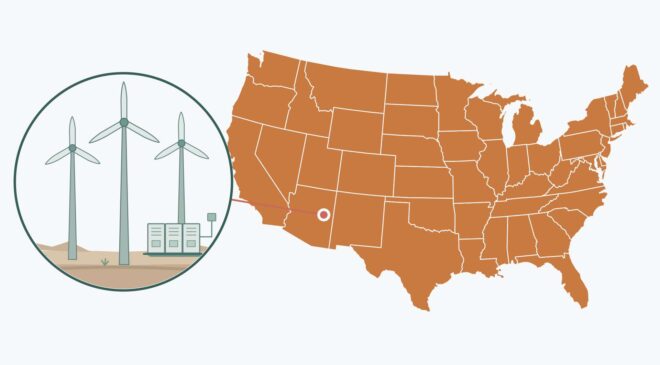
The location is raising questions
The county review has raised two issues: the proximity of the proposed site to national forest land and to residential areas. Navajo County, Arizona, has also questioned whether the development is consistent with its comprehensive plan.
County staff, including Arizona Game and Fish and the FAA, must review the project. The county has been looking at issues associated with the project, such as wildlife, water resources, cultural resources, noise levels, aviation requirements, and potential microwave interference.
Overhead lines need to be built to reduce the risk of bird collisions. Buried power lines and high-voltage signs are all part of providing human safety. A plan for what happens in the event of discovering buried human remains has to even be taken into consideration.
Roads, transmission infrastructure, battery storage, and other facilities also have to fit into the wider development. Similar problems are emerging across the renewable energy sector. Location is important, because moving one part of a big project can affect several others.
Any changes to the turbine layout will impact access roads, transmission connections, environmental assessments, and land agreements.
The Snowflake wind project has not been terminated
BluEarth Renewables did not deliver on a scheduled presentation to the Navajo County Board of Supervisors. Instead, the developer has been working with county planning officials as it looks at possible changes to the project.
The developer is reviewing the site and how the proposal can better align with county goals and policies. The project is still part of the larger development of renewable energy in Arizona.
A 340-MW wind project could add large-scale battery storage that would add substantial electricity generation and storage capacity. Other projects are integrating storage with renewable generation as the sector matures.
The scale of the proposal also means that the location matters beyond the placement of the turbines. A wind project needs supporting infrastructure.
Occasionally a site for renewable energy seems like a promising place to generate power, but it can be difficult to work out the full blueprint.
What happens next will depend on what Navajo County and BluEarth can agree on together. The turbine project is a proposal, not a construction project, for now. The question is whether a developer can find a site where the renewable-energy project can operate without clashing with local land-use priorities.
The Snowflake wind project isn’t dead. It’s on hold. The next chapter will explore whether an alternative approach can align energy progress with local realities. As developers seek to build renewable projects in environmentally sensitive areas, this question becomes increasingly relevant.

