
A New York hydropower plant has generated no electricity since 2006, and federal regulators may revoke its license
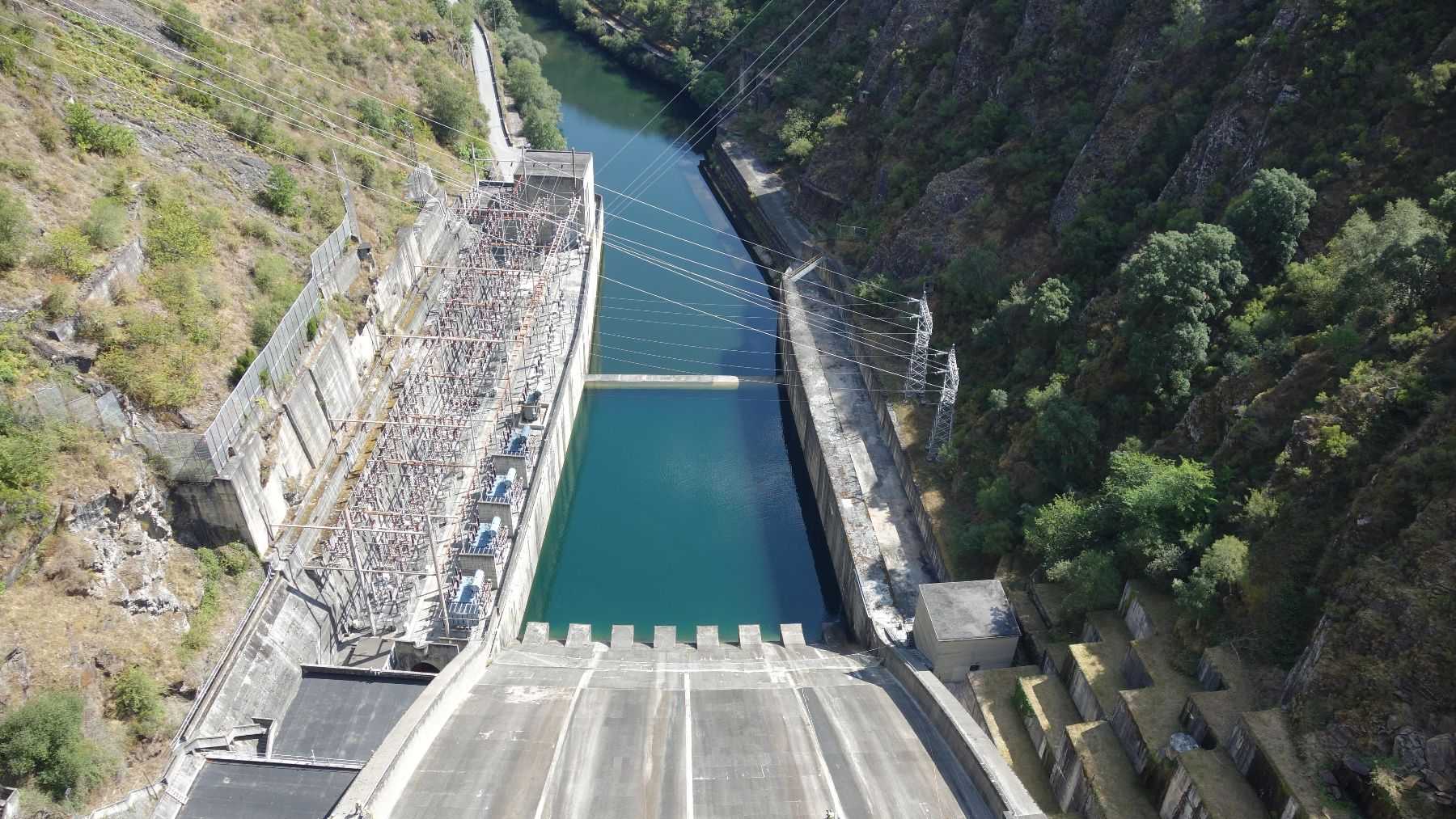 File image
Time is running out for a New York hydropower plant that has been nonoperational since 2006.
The state is heavily reliant on clean energy generation to meet its rising electricity demand and strict climate mandates.
Yet there are several abandoned structures and projects lacking operational compliance across the country.
These expensive upgrades are essential to meet modern environmental regulations and include flow monitoring systems and fish passages.
In the push for reliable renewable power generation, the New York plant’s license may be revoked.
Will the operator restore operations or end up surrendering control?
How state reliance can collide with federal mandates
Historically, the state of New York has depended on fossil fuels to power its electrical grid.
Natural gas alone supplies almost half of the state’s total net generation.
To break this longstanding reliance while securing a stable power supply, clean energy generation has become a priority.
This shift is especially driven by strict climate mandates.
Under the Climate Leadership and Community Protection Act, 70% renewable electricity must be achieved by 2030.
Furthermore, by 2040, the state must achieve zero-emission power.
But this green shift has become more challenging, as regional energy demand is soaring.
Planned data centers account for more than 9,000 megawatts of requested new capacity.
This is roughly 1.5 times the electricity usage of all households in New York combined.
As a result, each active and inactive renewable facility is critical to meeting state mandates while stabilizing the electric grid.
Yet the clock is rapidly running out for nonoperational facilities.
Many vital renewable power assets remain offline nationwide
A highly valuable green energy source is hydropower, and the U.S. boasts a significant fleet.
The legacy infrastructure provides reliable, flexible, baseload clean electricity that supports regional grids and communities.
Despite these distinct advantages, hundreds of small hydroelectric plants are nonoperational nationwide.
As the physical infrastructure ages, it creates significant maintenance costs for independent plant owners.
Consequently, many hydropower plants have not seen a major upgrade in decades.
These expensive upgrades are essential to meet modern environmental regulations and include flow monitoring systems and fish passages.
Due to severe financial constraints and complex multi-agency compliance rules, upgrades stall, and plants fall out of service.
New York State exemplifies this issue, with dozens of historical dams remaining inactive despite their power production potential.
Federal oversight is needed to maintain operational accountability and safety.
The Federal Energy Regulatory Commission (FERC) oversees the nation’s non-federal hydropower licenses.
Now, a nonoperational hydropower plant in Herkimer County risks losing its license for good.
The hydropower project in Herkimer County, New York
Aging hydropower plants across the country require urgent modernizing, including the Herkimer Hydroelectric Project.
The 1.68-megawatt facility on West Canada Creek fell into disrepair.
As a result, it has not generated power since 2006.
ECOsponsible, LLC, acquired the plant’s license, and between 2020 and 2021, federal regulators sent 12 separate demand letters.
These letters asked for repair plans and operational restart timelines.
After site inspections were conducted, the facility was largely abandoned and in an unsatisfactory condition.
Unfortunately, resolution was stalled by communication lapses and subsequent filing rejections.
Third parties attempted relicensing, but this ultimately ended in withdrawal.
FERC’s latest action regarding the Herkimer Hydroelectric Project
On October 8, 2026, FERC formally began license termination proceedings under implied surrender.
By November 9, 2026, interested parties may file protests, motions, or comments to intervene.
Should the Herkimer project lose its license, New York permanently loses 1.68 megawatts of clean baseload power potential.
Once the license has been revoked, federal regulators must oversee site decommissioning and dam safety enforcement.
The abandoned site risks major environmental degradation and safety hazards without federal authority.
Similar inactive project failures can be prevented by prioritizing public-private partnerships to modernize aging hydropower assets.
Ultimately, without targeted grants or streamlined compliance rules, offline legacy hydropower plants could be lost forever.

Anke Maree is a writer with a clear and engaging editorial style. Her work focuses on making complex topics accessible, informative, and relevant for readers across different areas of interest.
