
Scotland’s Dorenell wind farm crews navigated deep snowdrifts with emergency supplies during the Beast from the East storm
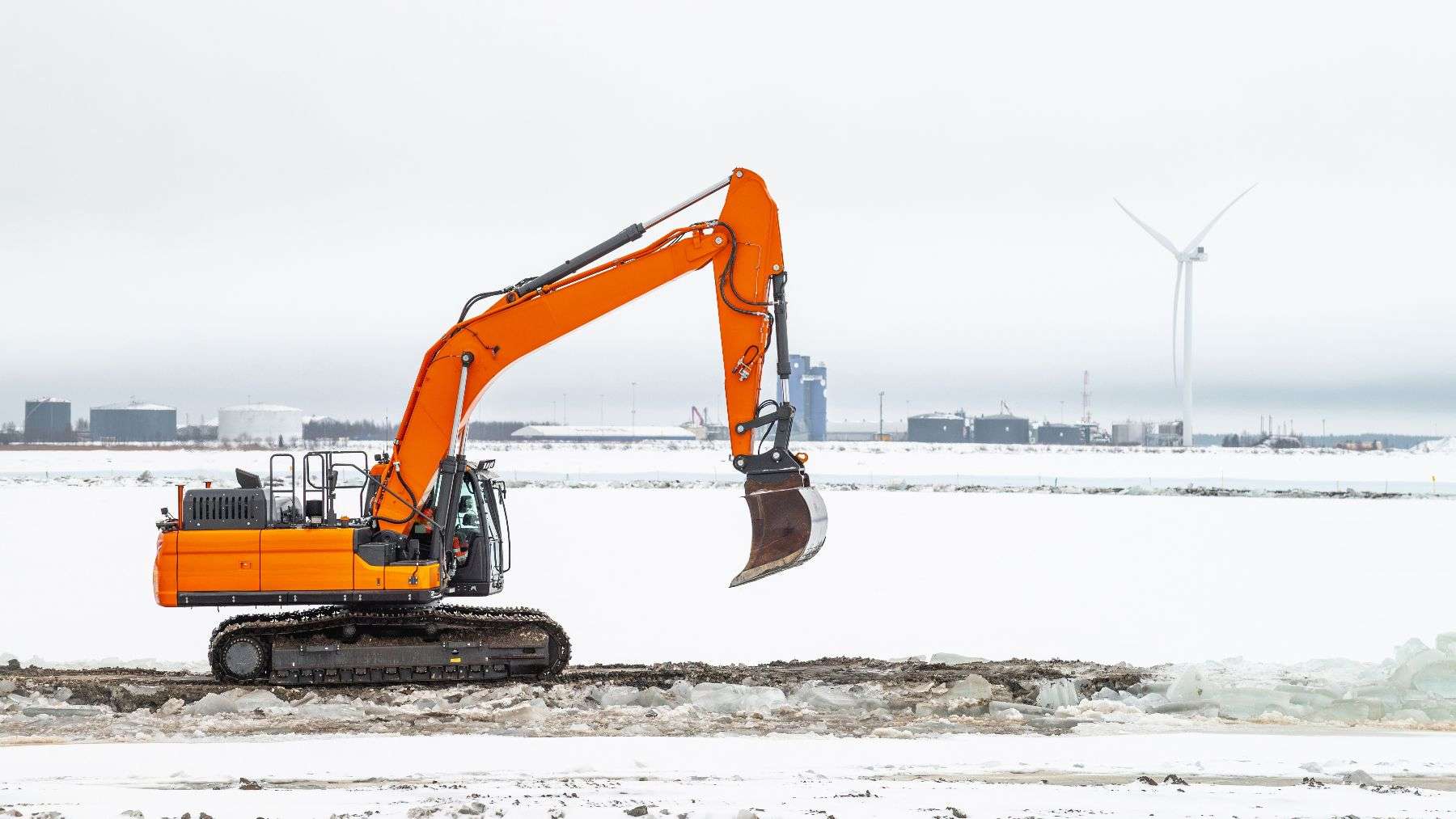 File image
Scotland’s fierce winter weather has forced a wind site team to initiate emergency safety protocols.
The nation’s dramatic landscapes have some of Europe’s best wind resources for large-scale clean energy generation.
But as extreme winter weather arrives, building and maintaining turbines across rugged hills becomes challenging.
Ultimately, cold-weather countries should adopt these practical methods to protect infrastructure and ensure constant, reliable clean power supplies.
Each year, heavy snow and sub-zero temperatures test both equipment and crews.
What measures does Scotland’s clean energy industry use to tackle extreme conditions to deliver year-round green power?
How modern demand requires immediate high-capacity power supplies
Scotland has long dealt with barriers in decarbonizing its electricity sector.
Historic underinvestment created an outdated power grid.
As transmission lines age, they struggle to transmit clean energy from remote northern sites to major demand centers.
Furthermore, Scotland still heavily relies on fossil fuels, especially for heating (over 90%) and transport (roughly 99%).
This means that up to 80% of the nation’s total energy consumption across all sectors remains carbon-intensive.
What makes this more complex is that electricity demand continues to rapidly climb.
Greener industries, heat pumps, and electric vehicles require vast amounts of new power.
Replacing the entire economy’s fossil fuels will nearly triple future energy needs.
To meet this surge, large-scale renewable energy deployment must accelerate.
For Scotland, wind energy is positioned at the center of this shift.
Yet onshore sites pose unique and often dangerous seasonal challenges.
The dangers of needing high-capacity onshore wind
Wind generates approximately 78% to 80% of Scotland’s total renewable electricity output.
Scaling up this source, both onshore and offshore, is the fastest, most cost-effective approach to power the transition.
This is especially vital, as Scotland has set ambitious legal targets to achieve this greener economy.
By 2030, half of its total energy consumption must be met with renewable sources.
This interim target paves the way for almost completely decarbonizing its energy system by 2045.
However, constructing and operating the capacity to achieve these goals requires working in harsh winter environments.
Accelerated climate change is making Scottish winters more severe and unpredictable.
Warmer air retains more moisture, driving heavier precipitation, intense storms, and rapid freeze-thaw cycles across high-altitude terrain.
Changes to jet stream cycles also trigger volatile cold snaps alongside strong winds.
Continuing reliable clean power delivery under extreme conditions is vital.
That is why major developers like EDF power solutions use specialized engineering and strict winter planning.
Dorenell Wind Farm: Navigating extreme winter conditions
The construction of a Scottish wind farm can be more challenging than initially anticipated.
During Dorenell Wind Farm’s development in Moray, Scotland, in 2018, the massive storm “Beast from the East” hit.
The remote mountain site faced fierce winds sweeping heavy snow across open ridges.
This created deep drifts that buried mountain access roads much deeper than planners expected.
Strict winter protocols for harsh conditions
Tall marker poles were installed along access roads before winter, helping teams trace buried road edges in whiteout situations.
Each crew member had an emergency backpack filled with:
- Water
- Food
- Flashlights
- Thermal blankets
This was crucial in case vehicles became stranded.
Snowplows and tracked vehicles operated nonstop to keep primary routes open.
Dedicated two-way radios helped teams maintain constant contact.
Furthermore, construction sequencing was planned strategically.
Work was scheduled from the furthest points of the mountain back toward the site entrance.
This kept crews closer to safety and welfare during peak storms.
Freezing ice on blades was combated using heated blade materials or by blowing warm air inside.
These winter protocols offer a proven framework for other nations expanding wind energy in extreme climates.
Beyond ensuring the safety and well-being of crew members, these measures help prevent costly turbine downtime.
Ultimately, cold-weather countries should adopt these practical methods to protect infrastructure and ensure constant, reliable clean power supplies.

Anke Maree is a writer with a clear and engaging editorial style. Her work focuses on making complex topics accessible, informative, and relevant for readers across different areas of interest.
