
“It’s reaching 95% ice cover” — NOAA warns one region and highly impacted by Arctic Blast
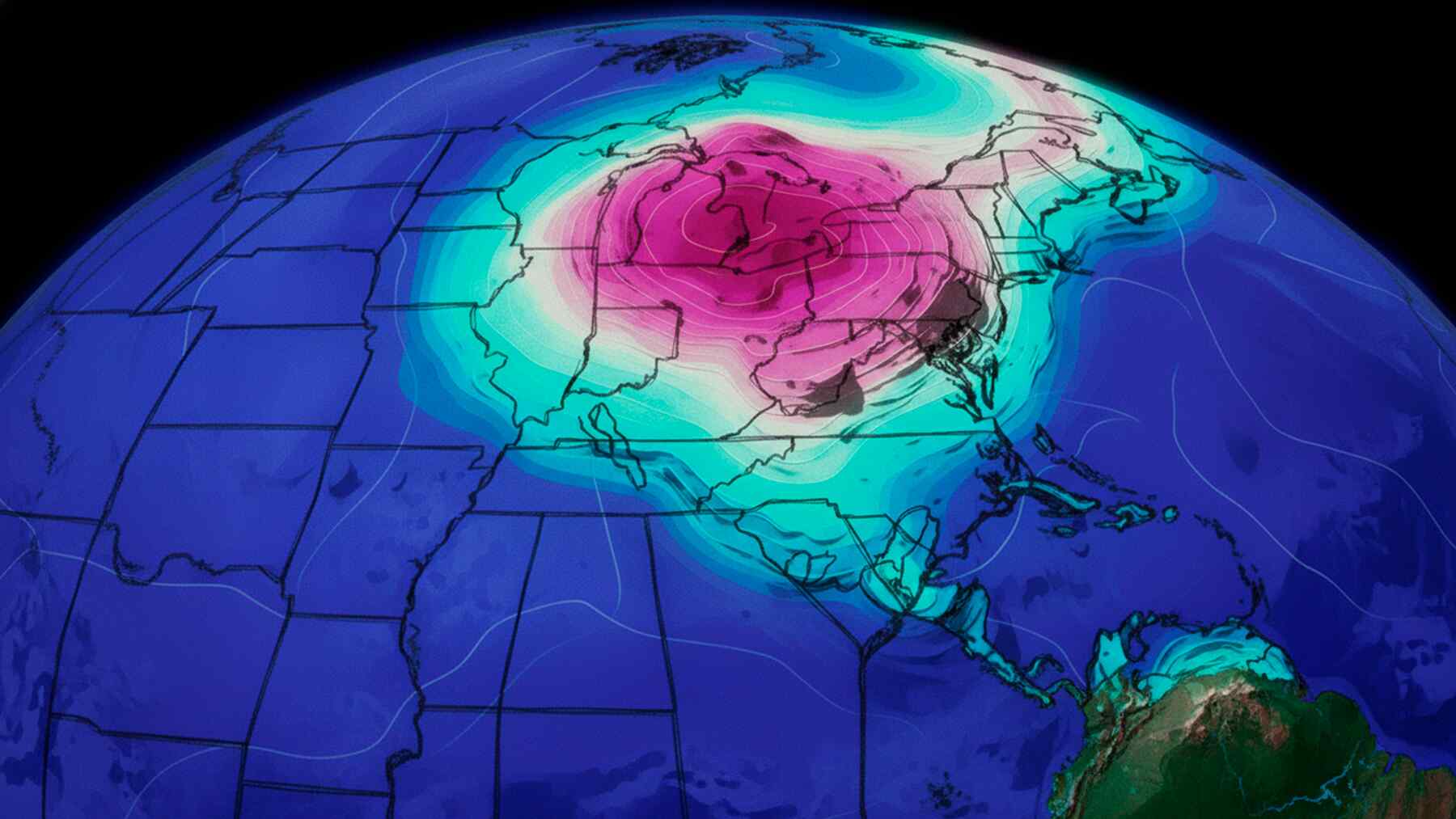
As dramatically beautiful as something may seem, remember: Life is not a fairy tale. While the cold may not have bothered Elsa from Frozen, this Arctic Blast is something else, and you will feel the impact one way or another. The National Oceanic and Atmospheric Administration (NOAA) has sounded the alarm, with one U.S. region impacted by nearly 95% ice cover. How will this extreme weather event affect the surrounding communities?
It’s like a scene from the movie Frozen
Nature can be cruel, and when it experiences a sudden disruption, especially to the Polar Vortex, we will feel its icy wrath. While January is historically renowned as the coldest winter month in the U.S., most Americans were certainly not prepared for a scene from Frozen to become their reality for a few weeks. For the first time in seven years, temperatures dropped to new freezing levels in some states.
Some have even experienced the coldest winter in over a decade, and while the proposition of snow may excite our inner child, this weather event is no walk in the park. To add insult to injury, the U.S. has experienced this particular event more than once in 2026, and as experts predict more icy trouble on the way, NOAA has warned that one region in particular will be significantly impacted.
Picturesque, but dangerous: NOAA’s warning
The weather conditions these past few weeks are highly unusual, but it’s not the first time the U.S. has experienced the impact of an Arctic Blast. Some of the coldest cold snaps in U.S. history date all the way back to 1899, and as history repeats itself, some may wonder why these Arctic Blasts are happening. A sudden stratospheric collapse is behind the U.S.’s picturesque but dangerous icy weather.
Experts have pointed out the role climate change plays in these sudden stratospheric collapses that disrupt the Polar Vortex, with some even suggesting eccentric approaches to “cover the atmosphere with a blanket.” Chris Goodall even recommended some energy transition books that discuss these eccentric approaches.
Nonetheless, nothing will unfortunately stop the freezing air from escaping the Arctic and transforming the lower latitudes into picturesque but dangerous ice regions. NOAA’s data predicts that more Arctic Blast trouble lies ahead, impacting residents and businesses.
The Arctic Blast will impact one region in particular
NOAA data indicate that February is the month of Northeast snowstorms, with most falling into Category 3 or higher. The Arctic Blasts in January cooled the Atlantic Ocean much more quickly than usual, and freezing air continues to loom, which means more significant snow conditions are inevitable. However, NOAA also confirmed that one U.S. region in particular has been significantly impacted.
In east-central North America, the Great Lakes kicked off the year with average and below-average ice levels. However, as the Arctic Blast hit the U.S., these combined levels rapidly increased from 5% to 51% in a matter of days, and NOAA also confirmed that Lake Erie is now 95% covered with ice. However, NOAA’s Great Lakes Environmental Research Laboratory research physical scientist James Kessler states that these levels are not unexpected.
“The level of ice on a particular day is not that significant. The most important metrics for ice cover are the seasonal average ice cover, season duration, and annual maximum, which typically occurs in mid to late February.” – James Kessler
Should these Arctic Blasts continue, the surrounding communities are bound to be affected, with commercial shipping, which plays a key role in the economy, impacted negatively. Some may welcome the increased tourism associated with winter recreational activities, but prolonged freezing temperatures are not good for health in general. Hopefully, citizens have emergency energy and heating systems in place, such as these gold snow panels that generate energy in the snow.
Anke Maree is a writer with a clear and engaging editorial style. Her work focuses on making complex topics accessible, informative, and relevant for readers across different areas of interest.
