
SolarEdge launches U.S.-made Duo Power Optimizer for commercial solar, cutting unit count by 50%
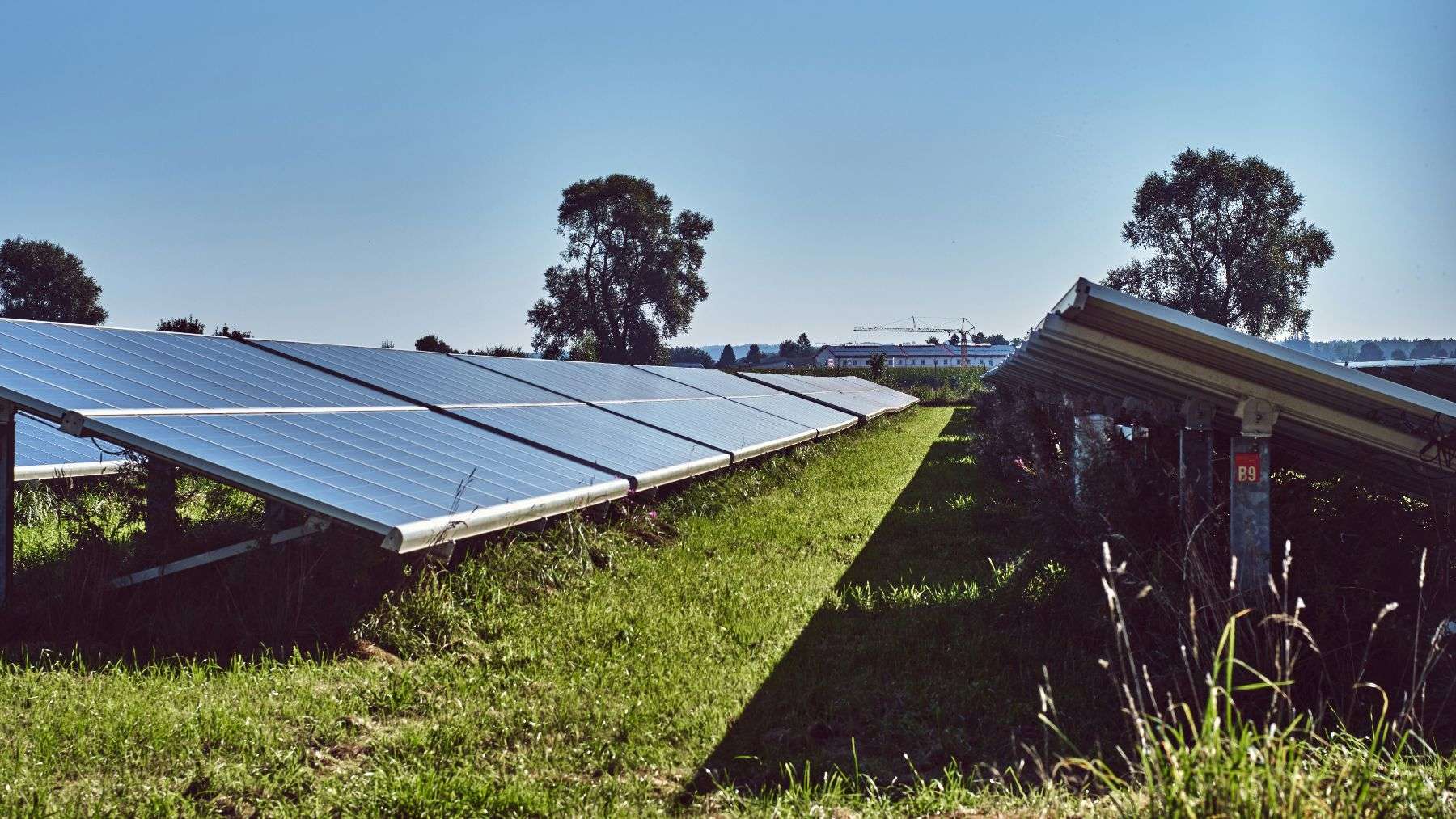
SolarEdge just launched the Duo Power Optimizer — a new device built for commercial and industrial solar that’s now available to order in the United States. It runs on a 2:1 architecture, meaning each unit connects two modules at once. That cuts the total number of optimizers a project needs by 50%. And it’s made in the U.S.
SolarEdge introduces the Duo Power Optimizer for C&I solar
SolarEdge already holds the top spot in U.S. non-residential solar — Wood Mackenzie Q2 2026 data confirms that. So the Duo isn’t a pivot. It’s a push to extend a lead the company already has in commercial and industrial installations.
You can order it now in the United States. The domestic manufacturing piece matters too, and we’ll get into why shortly.
The Duo Power Optimizer is manufactured in the United States — and if you’re a project developer tracking tax credit eligibility, that’s worth knowing.
2:1 architecture addresses the core limitation of string inverter systems
String inverter systems have a familiar weak point: one underperforming module drags down the whole string. As modules age at different rates, that gap only gets worse.
Power optimizers fix this by isolating each module. The catch is that traditional setups require one optimizer per module — more hardware, more wiring, more complexity on the roof. The Duo takes a different approach entirely. Each unit carries two independent maximum power point trackers (MPPTs), so both connected modules get optimized separately, and one module’s performance doesn’t cap the other’s.
In practice, a project that used to need 100 optimizers now needs 50. Fewer units to buy, fewer connections to wire, fewer components to install. On a large commercial rooftop, that math adds up fast.
Distributed arc fault detection and connector-level safety monitoring are key safety features
Most inverter systems detect arc faults from one place — the inverter itself. The Duo spreads that responsibility across the whole array, with every optimizer acting as its own arc fault sensor.
If one unit misses a fault, the one next to it can catch it. On a large commercial installation, where the inverter might be far from where a fault actually starts, that redundancy matters. Detection covers strings with up to 3,280 feet of total cable length between the inverter and the optimizers. SolarEdge calls this distributed detection approach an industry first.
The Duo also brings Sense Connect technology to every input and output connector. It monitors temperature at each connection point and flags problems before an overheating connector turns into an arc. When something’s off, the system pinpoints the issue down to the optimizer area — so troubleshooting doesn’t mean crawling across an entire rooftop.
Installation design reduces wiring complexity on commercial rooftops
Wiring a big commercial solar array takes time. Every connection you can eliminate on the roof is real labor saved.
Each Duo ships with two input pairs already configured — a short pair for the nearest module and a pre-extended pair for the adjacent one. No field-made jumper cables required. Across hundreds of modules, that’s not a small thing. Fewer connections also means less wire slack to manage: cleaner runs, less clutter, fewer chances for installation errors.
There’s a layout benefit too. A single Duo can connect two modules facing different azimuth angles, making it compatible with dual-tilt racking systems. That’s a common setup in C&I installations, where rooftop geometry often points modules in more than one direction.
U.S. manufacturing and domestic content compliance provide additional context
The Duo Power Optimizer is manufactured in the United States — and if you’re a project developer tracking tax credit eligibility, that’s worth knowing.
SolarEdge says the Duo may support domestic content tax credit eligibility under current U.S. law. The company also describes it as compliant with FEOC — Foreign Entity of Concern — requirements based on current regulatory guidance. Both points carry a caveat: interpretations of applicable laws and guidance can change, and SolarEdge recommends consulting tax and legal advisors for anything project-specific.
What the Duo Power Optimizer launch means for commercial solar projects
The Duo pulls together several things in one product. The 2:1 architecture cuts optimizer count by 50%, which brings down hardware costs and speeds up installation on commercial and industrial projects. Two independent MPPTs mean each module runs at its own maximum, regardless of what the one next to it is doing.
Distributed arc fault detection — every optimizer doubling as a sensor — goes further than a single inverter-level detection point can. Sense Connect temperature monitoring at every connector catches problems before they become serious. The pre-extended wiring pairs and dual-azimuth compatibility deal with real installation challenges on commercial rooftops.
U.S. manufacturing positions the Duo for potential domestic content tax credit eligibility, depending on how current regulations get interpreted. SolarEdge’s broader portfolio covers PV optimization, storage, EV charging, batteries, and grid services. The Duo fits into that wider C&I energy strategy as the company works to hold its position at the top of the U.S. non-residential solar market.

Kelly is an experienced writer with 15 years of experience exploring the big stories that shape our world, from tech breakthroughs and space exploration to climate, energy, and the fascinating quirks of science. She has a talent for turning complex ideas into sharp, memorable insights that stay with readers long after they’ve finished reading.
