
A Simple Guide on Knowing the Size of Allen Nuts You Need
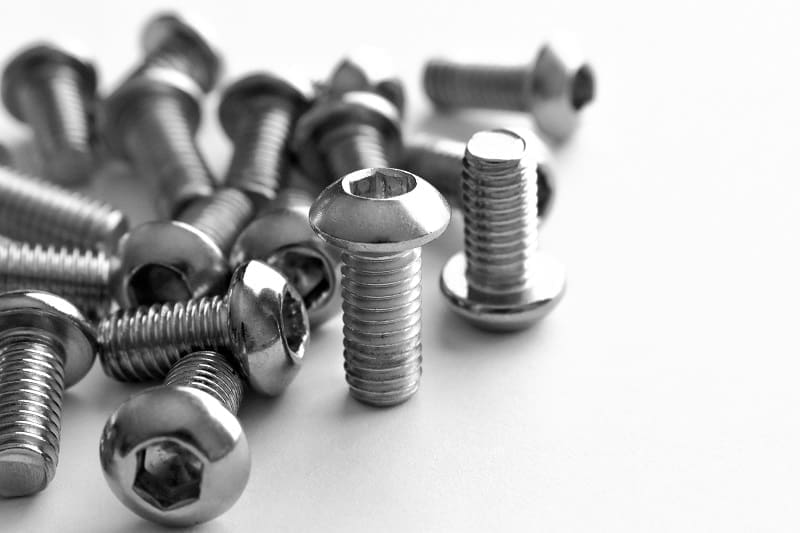
Allen nuts are one of the most preferred screws. They’re known for their strong fastening because of their better grip. In addition, they are easy to use, especially if you’re using the right Allen key. They also occupy less space as they have no extra heads or protruding parts. As a result, they don’t damage the holes they’re in. Allen nuts also come in various lengths and sizes, ideal for multiple uses.
Suppose you’re planning to buy Allen nuts anytime soon. In that case, you may need to determine the appropriate sizes for your projects. This could help you further understand the various Allen nut sizes and choose what you need. For that purpose, here’s an article to guide you. So, read on!
- Assess Your Needs
Before measuring your options, you may need to evaluate your needs. If holes are already available to insert, you may directly measure the holes and pick a nut. If you’re starting a project, like a piece of furniture or metalwork, you may select a custom-sized nut. Depending on your needs, you may look for uniform sizes or different ones from Reid and other sellers.
Apart from considering the large size, this system also allows point-to-point hex measurement, which is ideal for hex-shaped Allen nuts and bolts.
In most cases, you’ll need large nuts for the bases and foundations of woodwork or metalwork. These may ensure that the portions and attachments are correctly fastened. For large projects, you may use 13mm—19mm nuts. For smaller ones, you may use 10mm and below.
- Measure The Nuts
Measuring the nuts is necessary to choose the perfect nuts and bolts for you. The following are some approaches you may follow to measure the metal pieces:
- Using A Tape Measure
- Place the nut in a flat space.
- Keep the hole clean and open.
- Use a measuring tape.
- Measure the nut starting from one of the ends up to the nut’s outer perimeter. Each line on the tape measure is equal to 1mm.
- If the nut follows a US standard, you may need to divide the tape measure into sixteenths. In other words, you may read ten lines as 10/16.
- Using A Caliper
You may need to place the nuts within the device’s facing points using a caliper. In this option, the caliper’s tips are adjusted to fit the dimensions, especially the length of the Allen screws. In other cases, a ruler accompanies measuring all the sizes.
- Use Of A Micrometer
If you want to use smaller Allen nuts, you may consider using a micrometer. This measuring device functions similarly to calipers and can measure various dimensions, such as lengths and diameters. Its movable jaw allows the device to adjust to the different nut sizes.
- Use Of Whitworth System
If you’re after large nuts and bolts, you may consider using Whitworth System. Apart from considering the large size, this system also allows point-to-point hex measurement, which is ideal for hex-shaped Allen nuts and bolts. This could be the best system for you if you’re into British size.
Measuring the nuts doesn’t only determine if you found the correct nuts for your project. It also helps you identify the suitable Allen wrenches and keys for your nuts and bolts. To maximize the measurement, you may dwell on the nut’s length and gauge and thread per inch (TPI).
- Choose The Allen Nuts And Bolts
The most important factor to consider in choosing the Allen nuts and bolts is the length. The rule of thumb is that the nut should enter at least half its bottom’s thickness into its hole. For example, if the hole measures ¾” in diameter, the nut’s bottom should be less than 3/4″.
For more specific sizing, you may need to know the diameter of the nut, better known as gauge. If you work on heavy and thick materials such as flanges, you may choose No. 12—14. If you work on thinner or finer woodwork, you may pick No. 6. In most cases, you’ll use No. 8.
Apart from the sizing, you may also consider the material makeup of your nuts and bolts. You may choose the ones that could go against corrosion and dirt buildup. Preferably, you may choose nuts and bolts with special coatings, like zinc types and silicone-coated bronze nuts.
- Measure The Thread Coarseness
Another thing to consider in choosing a nut is its thread coarseness. For this purpose, you may manually count the thread. You may use a magnifying glass and a pin in the process. Apart from the coarseness, you may also know the nut’s thickness by keeping it between your fingers and checking its parallel to its hole.
As a rule of thumb, coarse types refer to nuts with 16 or more threads and are ¼-inch thick. These are generally extensive and prolonged. On the other hand, fine-threaded nuts refer to the types with four threads of five lines every ¼ inch. They have a small pitch and narrow and shallow ridges.
Coarse threads work better in brittle objects and are less likely to lose threading. On the flip side, fine threads have a better locking mechanism and higher contact pressure. Because of these, they also have better resistance to screw removal.
- Test The Nuts
After the measurement and selection, you may need to fit the nuts and bolts into the holes. If the nuts are too big, you may decide whether you’d enlarge the holes or replace the nuts with smaller ones. Other considerations you may think about to pick the best are the following:
- Pitch: It refers to how steep the threads are.
- Cup: It refers to the depression on the opposite end of the socket drive.
- Fitment: It refers to the tightness of the nuts and bolts when fitting into a hole.
Wrapping Up
Allen nuts are helpful metal pieces for wood and metalworkers. They help locate and fasten materials to keep them adequately connected and durable. Suppose you’re planning to buy them anytime soon. In that case, you may need to assess your needs first. Then, you may need to determine the size of nuts you’ll need. You could try to fit them and replace them with a more appropriate option.
