
Penn State researchers found a way to turn millions of abandoned oil wells into clean energy batteries hiding beneath America’s feet
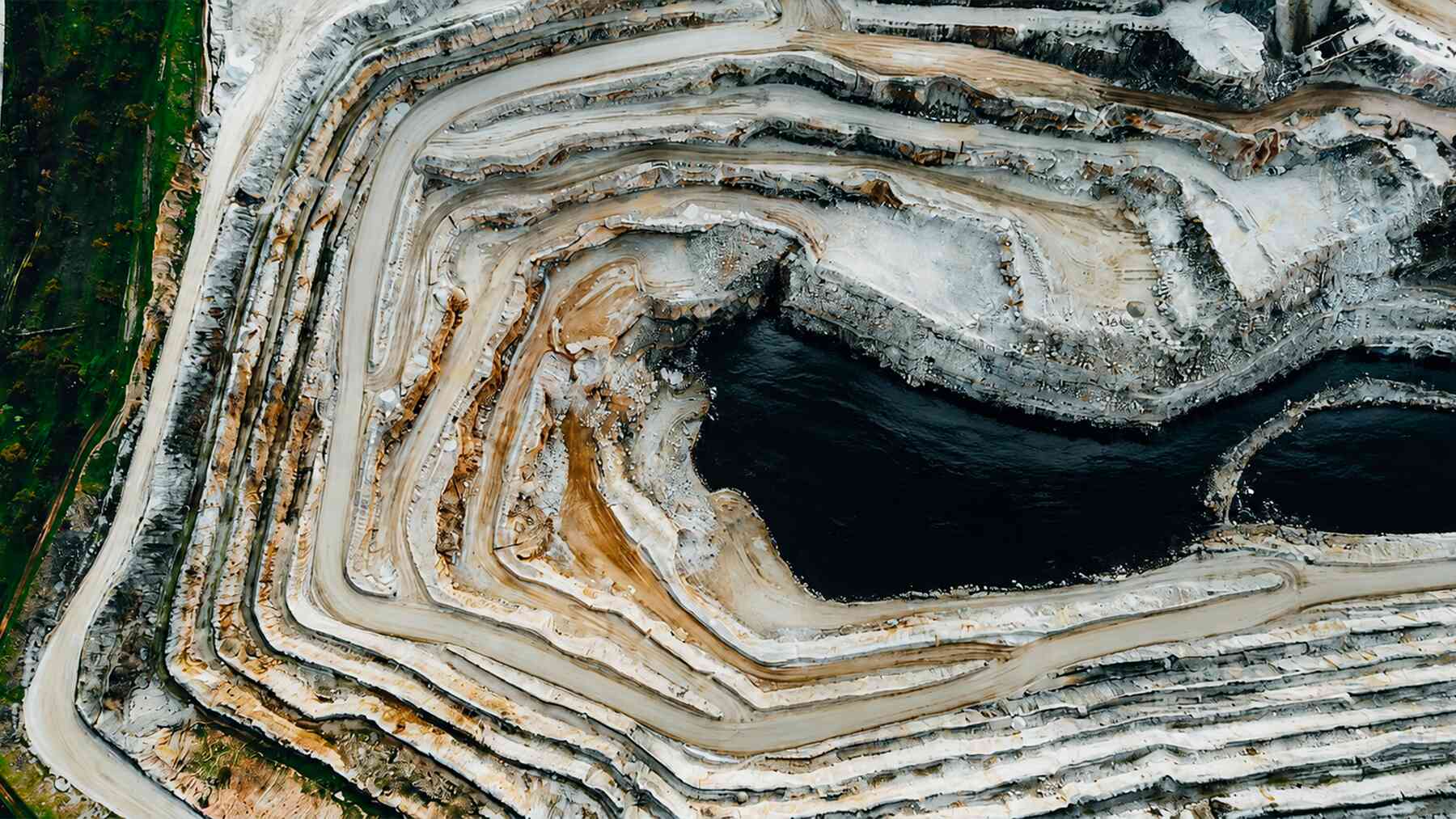 Edited, representative image
Researchers are overcoming intermittency by implementing an innovative “battery” storage system.
Globally, nations face pressure from strict climate regulations and targets that are rapidly nearing their deadlines.
Meanwhile, energy demand continues to surge as sectors worldwide become digitalized.
To meet these goals and demands, large-scale wind and solar must expand exponentially alongside adequate storage infrastructure.
To meet these goals and demands, large-scale wind and solar must expand exponentially alongside adequate storage infrastructure.
Since traditional batteries face significant challenges, could an underground alternative overcome these obstacles?
How solar and wind address demands and looming deadlines
Over the past decade, global energy consumption growth has spiked to its fastest rate ever.
This surge is driven by rapid industrialization, widespread digitalization, and rising AI power usage.
Cutting-edge AI facilities tripled in capacity over the last 18 months.
At this rate, experts predict data center electricity usage will more than double by 2030.
International Energy Agency data projects that an average of 1,100 terawatt-hours of power demand will be added annually.
Simultaneously, countries are facing tight deadlines to achieve international climate targets. Over 120 governments pledged to the Paris Agreement.
Now, global renewable energy capacity must be tripled to at least 11,000 GW by 2030.
Solar and wind power are essential to meeting both.
They are the fastest, most scalable path to substitute fossil fuels.
In almost every major country, solar and wind are the cheapest options for new electricity generation.
Yet, their intermittency leads to unprecedented costs.
The true cost of intermittency and the battery bottleneck
Global weather conditions are changing and becoming more unpredictable.
This raises the risk of solar and wind power fluctuating, creating a mismatch between generation and peak demand times.
Consequently, this intermittency creates a major grid crisis.
This is why massive energy storage systems are needed.
Without them, curtailment becomes unavoidable during low-demand hours. Likewise, when the weather is unfavorable and demand spikes, operators turn to fossil fuel plants.
Unfortunately, traditional chemical batteries present major challenges.
Most are incapable of supporting a grid in the long term due to a standard four-hour discharge cycle.
Furthermore, they require critical minerals. Currently, the U.S. is highly reliant on imports of critical minerals.
Geopolitical tension, escalating trade tariffs, and strict local-content laws lead to supply shortages.
Mineral extraction and battery manufacturing are also highly resource-intensive.
To overcome this, the Pennsylvania State University turned to abandoned infrastructure as an alternative.
Repurposing abandoned oil wells for clean energy storage
Across the U.S., hundreds of thousands of wells have been forgotten.
Pennsylvania is among the regions with many outdated oil and gas wells.
They have become environmental liabilities by leaking methane into the air and groundwater.
Penn State researchers decided to redesign the purpose of the deep, depleted wells.
These sites will be transformed into Geothermal-Assisted Compressed-Air Energy Storage (CAES) systems.
Combining mechanical storage with natural geothermal heat
Excess wind and solar power are sent to the wellsite. The power is used to run high-powered compressors.
Ambient air is pumped into the deep underground well.
The air is stored under significant pressure inside the rocky geologic formation.
The compressed air absorbs the natural heat of the deep subsurface rock strata. Temperature and pressure are increased.
During peak demand hours, the valves are opened. The heated, pressurized air rushes back to the surface.
The air expands and spins a generator to produce electricity.
Pennsylvania State University’s hybrid technology offers significant benefits for the global energy transition.
Infrastructure costs are cut significantly by repurposing America’s existing wells. Furthermore, the geothermal assist increases energy storage efficiency by 9.5%.
Additionally, hazardous open wells are capped, permanently preventing methane leaks and protecting crucial groundwater.
The transformation of outdated oil and gas wells into grid assets will secure a cleaner, more reliable green energy future.
Anke Maree is a writer with a clear and engaging editorial style. Her work focuses on making complex topics accessible, informative, and relevant for readers across different areas of interest.
