
American Airlines and Google finalize landmark sustainable aviation fuel certificate purchase agreement
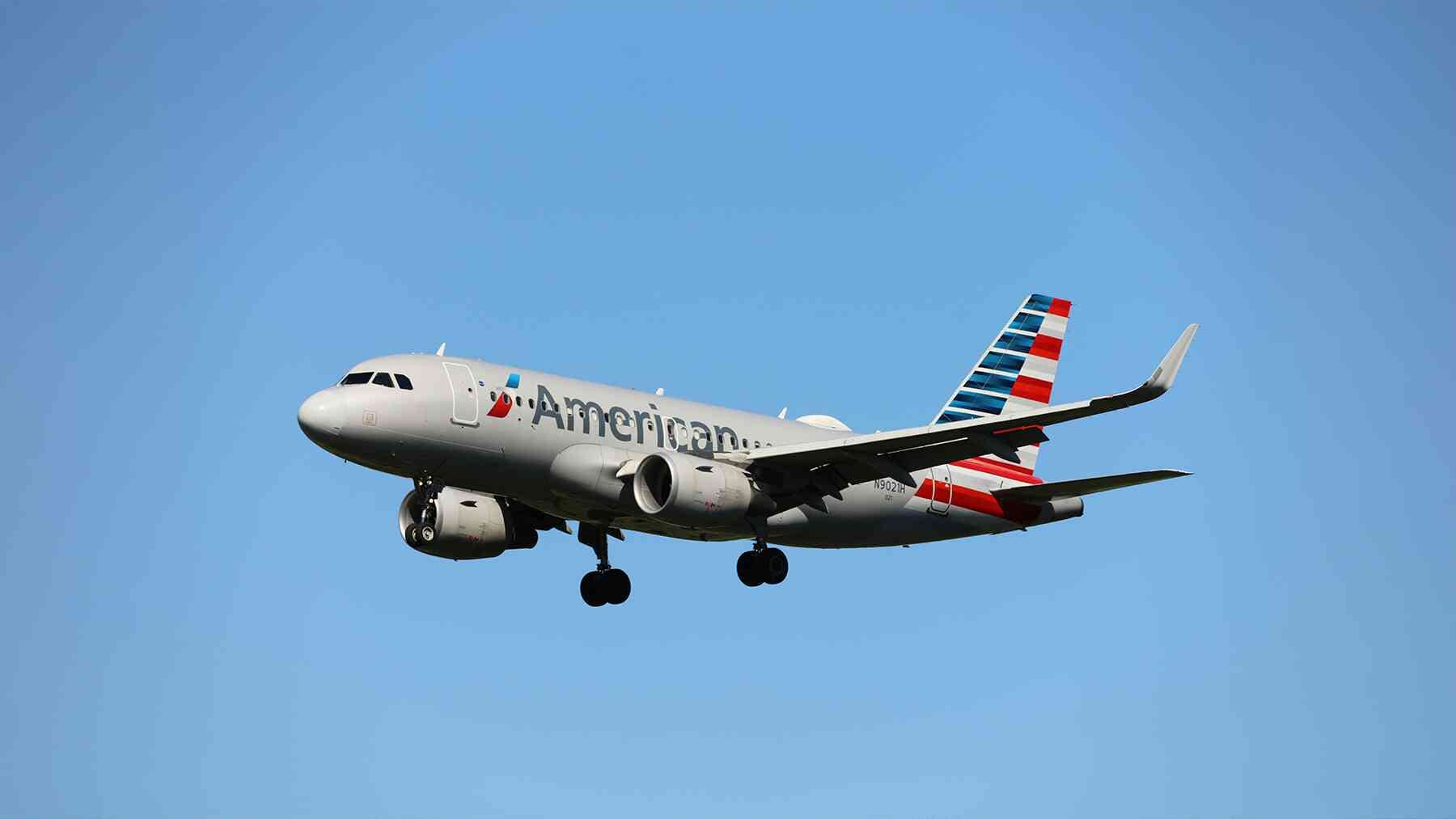
Since there are growing worries regarding the negative impacts brought forth by greenhouse gas emissions, most industries are pursuing a wide range of methods through which they can produce clean energy sources instead of fossil fuels. The most standout industry that is following this strategy is the technological industry, as data centers are reaching groundbreaking deals with energy companies repeatedly. Additionally, the transportation industry is also seeing an increase in clean energy-centered deals because vehicle emissions are among the main causes of air pollution. In continuing this trend, American Airlines and Google signed a record SAF Certificate Agreement.
American Airlines and Google reach a groundbreaking energy agreement
Collaborations are becoming more and more popular in the energy industry as different industries are looking to decarbonize. There is an especially huge spotlight shone when companies operating in different fields decide to unite for an energy-oriented agreement. Many companies and leaders believe that there is a lot to learn and adopt the blueprints created by others. In this instance, it is American Airlines and Google that have unveiled to the public their landmark sustainable aviation fuel (SAF) certificate agreement.
The reason why there is so much buzz and excitement surrounding the agreement is because it reflects the largest publicly disclosed partnership of its kind. There are huge expectations that the agreement will deliver as planned during its three-year tenure. The main aim for both parties is to hasten the aviation industry’s transition toward lower-carbon operations.
The agreement between American Airlines and Google will unlock 35 million gallons (132 million liters) of sustainable aviation fuel over three years. As per the information provided by the entities, the initiative is likely to deliver almost 300,000 metric tons of carbon dioxide equivalent (CO2e) emissions reductions.
Reviewing the overall impact of the Record SAF Agreement on the aviation industry
The aviation industry proceeds to advance and elevate, which is why companies are breaking records with agreements reached. In this case, the agreement is among the most significant corporate-backed SAF commitments announced, with more to come in the coming years. According to the terms of the agreement, it is clear that American Airlines will purchase and receive physical SAF supplies for operations at Chicago O’Hare International Airport.
One of the initial question marks following the agreement was where the parties could obtain fuel. Ultimately, the fuel will be integrated strategically with dependence on resources and airport infrastructure that already exists. The SAF element will be generated from waste-based feedstocks, namely, used cooking oil.
This approach may be beneficial because it enables airlines to lessen lifecycle emissions without requiring massive alterations to existing aircraft systems. Google will receive the environmental benefits associated with the fuel through the SAF certificate system. A transparent book-and-claim model will be used by the company in order to manage and track emissions reductions connected with the SAF.
An analysis of how Google and American Airlines are enhancing the SAF market
There is a massive amount of optimism pertaining to what the agreement might bring to the aviation industry’s future. American Airlines Chief Sustainability Officer Jill Blickstein stated the following:
“Our industry-leading agreement with Google is a critical step forward in reducing emissions from our operations. By working with leaders like Google who share our commitment to innovation, we’re helping to grow demand for SAF.”
Futuristic review: Understanding the next generation of the aviation industry
Sustainable aviation fuel is viewed as one of the integral components or assets for reducing emissions from commercial aviation. The aviation sector is among those perceived as hard to decarbonize because of aircraft range constraints and energy demands.
SAF is set to be an essential part of American Airlines’ environmental strategy as it aims to amplify the use of sustainable fuels. It also has objectives to invest in the latest aircraft, enhance operational efficiency, and explore upcoming aviation technologies.
Prince is a versatile writer focused on energy, automotive, environmental, and general news topics. He makes complex technical and policy issues clear, engaging, and accessible for a broad audience.
