
ASP Isotopes and Texas A&M partner to strengthen U.S. capabilities in advanced nuclear fuel technology
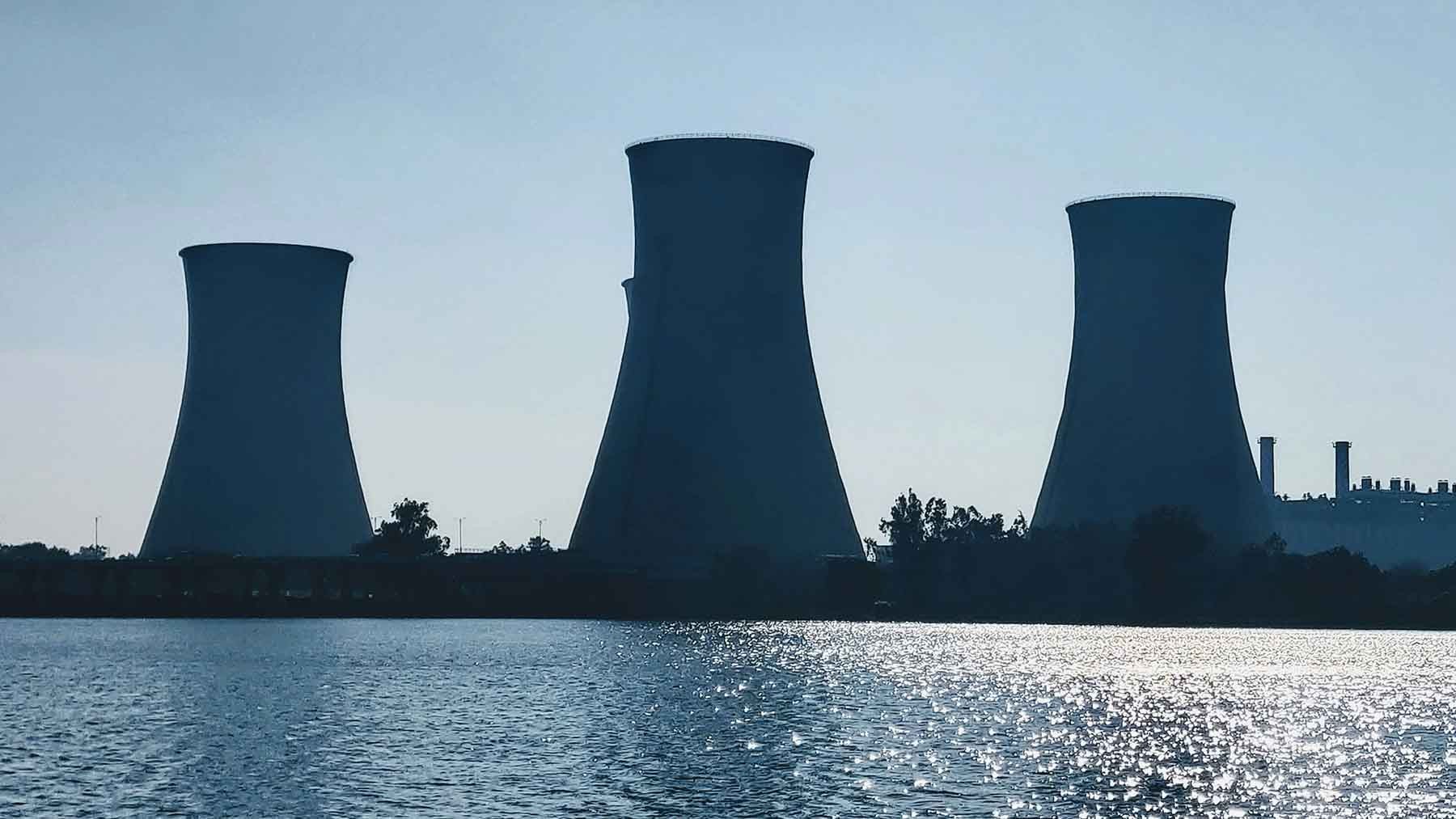
The United States has managed to maintain its position as the leading nuclear energy-generating country. One of the key reasons behind this achievement is that the nation has an abundance of companies that have the wealth and resources to experiment and attempt ambitious projects that could be rewarding. U.S. companies are also increasingly collaborating, meaning they can bring their best elements to the table and complement each other effectively. On that note, ASP Isotopes and Texas A&M partnered to strengthen U.S. capabilities in advanced nuclear fuel technology.
A general overview of the importance of ASP Isotopes and Texas A&M
ASP Isotopes is an advanced materials company that is highly committed to the development of a differentiated isotope enrichment platform to enhance global supply chain access to critical materials that are used in nuclear medicine, next-generation semiconductors, and nuclear energy. The company’s proprietary technologies include the Aerodynamic Separation Process and Quantum Enrichment, which facilitate the production of isotopes.
Texas A&M Engineering Experiment Station is the official research agency for Texas A&M Engineering and is essential in progressing interdisciplinary research across the Texas and A&M University System. The agency is currently dedicated to resolving challenges through applied engineering research, managing research grants and contracts.
One of the companies closely associated with ASP Isotopes is Quantum Leap Energy, a development-stage nuclear fuels company committed to advancing innovative technologies and processes across essential segments of the nuclear fuel cycle. Considering the amount of experience and expertise that the companies have, their collaboration is likely to yield positive outcomes.
ASP Isotopes and Texas A&M partner to strengthen U.S. capabilities in nuclear
Although the U.S. enjoys a sizable advantage over other countries in nuclear energy development, the nation refuses to be complacent and is still committed to executing groundbreaking projects. ASP Isotopes announced that Quantum Leap Energy LLC, a wholly owned subsidiary of ASPI has signed a research agreement with the Texas A&M Engineering Experiment Station (TEES).
According to a press release from ASP Isotopes, the main purpose of the captivating agreement is to advance and de-risk the commercial production of high-purity uranium hexafluoride (UF6), a pivotal feedstock in the current nuclear fuel enrichment supply chain. There has been a tremendous amount of attention on the agreement because it displays the rapid pace at which the Texas nuclear energy landscape is growing.
Additionally, the agreement is yet another reflection of the importance of collaborations in the energy industry. When companies decide to partner, they share the responsibility and financial strain of executing a project, which means they have a higher chance of achieving success.
Delving deeper into the ASP Isotopes and Texas A&M partnership
There has been great positivity from both companies’ officials following the announcement of the agreement that aims to progress the nuclear sector. For instance, Dr. Ryno Pretorius stated the following:
“This collaboration represents an important step toward building a more resilient and scalable nuclear fuel supply chain. Uranium conversion is a critical link in the nuclear fuel cycle used throughout most of the world, transforming yellowcake into uranium hexafluoride, the feedstock required for uranium enrichment.”
The collaboration comes at the most appropriate time because the United States currently has one operating commercial conversion facility and is in need of expansion in that particular area, or else the nation will have to continue relying on foreign resources.
Looking ahead: Can ASP Isotopes and Texas A&M influence future projects?
The United States has established that the advancement of technologies that strengthen the nuclear fuel supply chain demands close partnerships or associations between the industry, academia, and the government. The recent project is yet another reflection of the nation’s commitment to elevating its nuclear landscape.
Through researching scalable and agile solutions, the agreement can assist in making sure that there is an availability of fuel resources that are needed to support growing nuclear energy demand, strengthen energy security, and allow the extensive deployment of high-level nuclear technology.
Prince is a versatile writer focused on energy, automotive, environmental, and general news topics. He makes complex technical and policy issues clear, engaging, and accessible for a broad audience.
