
AtkinsRéalis files notice of intent with NRC to begin U.S. licensing process for CANDU reactor technology
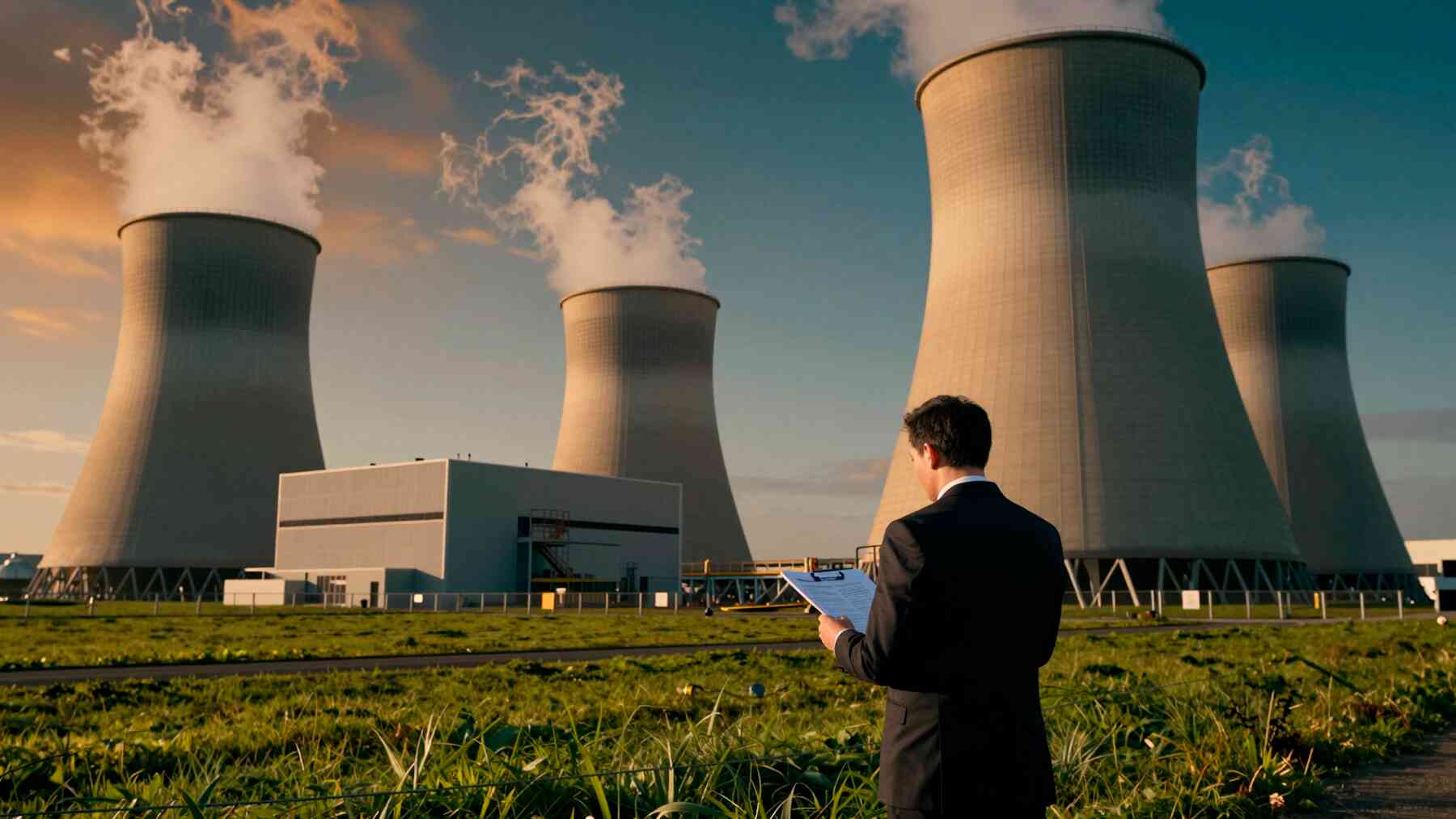 AI-made
Canadian nuclear engineering company AtkinsRéalis filed a notice of intent with the U.S. Nuclear Regulatory Commission last week, kicking off the licensing process for its Enhanced CANDU-6 pressurized heavy water reactor. If the NRC approves it, this would be the first time the agency has ever licensed a pressurized heavy water reactor—bringing a fundamentally different technology to a U.S. fleet that runs entirely on light water reactors.
AtkinsRéalis formally notifies NRC of intent to license CANDU in the U.S.
AtkinsRéalis called the filing “a key milestone” in its push to deploy large-scale nuclear power in the United States—framing it as a direct response to what the company describes as “significant U.S. electricity demand.” The announcement, though, left a lot of blanks unfilled.
Missing from the initial disclosure: which NRC licensing pathway the company plans to use, which sites it’s targeting, how many reactors it wants to build, and what the timeline looks like. Some of those details will probably come into focus as AtkinsRéalis continues talking with stakeholders across the industry and government.
The company is positioning CANDU as a large-scale, fuel-flexible, low-carbon baseload option for a grid facing rising demand from data centers and industrial users.
Growing U.S. electricity demand and energy security concerns drive the move
AtkinsRéalis isn’t just showing up at the NRC’s door on its own. The company says it’s already in active conversations with U.S. utilities, state governments, and prospective power buyers—among them hyperscale data center operators and large industrial users—to figure out where CANDU units could actually get built.
To reduce siting risk and speed things up, the company says it’s focusing on existing nuclear sites and jurisdictions with supportive nuclear policies. Both offer regulatory familiarity, and existing sites also come with established infrastructure and community buy-in—two advantages that matter a lot when you’re trying to move quickly through a complex process.
Fuel flexibility is another argument AtkinsRéalis is pressing hard. Joe St. Julian, the company’s nuclear president, said PHWRs’ fuel flexibility “will give the United States greater control over its nuclear fuel supply chain, which is of paramount importance in the current geopolitical climate.” Running on natural uranium — without needing enrichment services — is a real differentiator when global supply chains are under strain.
CANDU approval would mark a first for the NRC and introduce a distinct reactor type to the U.S. fleet
Every reactor currently operating in the United States is a light water reactor. CANDU would be something else entirely, and that distinction shapes how the NRC would approach the review.
PHWRs and LWRs differ in some pretty fundamental ways. Light water reactors use ordinary water as both coolant and moderator, while PHWRs use heavy water—water where the hydrogen atoms are replaced by deuterium. That swap carries real operational consequences. CANDU reactors can refuel while running at full power, eliminating the lengthy outages light water reactors need. They also run on natural uranium, cutting out enrichment costs entirely — genuine advantages in a market increasingly focused on energy security and fuel supply resilience.
There’s a tradeoff, though. Heavy water isn’t currently produced in the United States. Any large-scale domestic CANDU deployment would need to build or secure a reliable heavy water supply chain—a logistical and cost consideration that simply doesn’t exist for the rest of the U.S. fleet.
CANDU technology background and AtkinsRéalis’s role as its sole license holder
CANDU stands for Canada Deuterium Uranium — a name that tells you nearly everything about the reactor’s core design. The technology traces back to the 1950s, when Atomic Energy of Canada Ltd. (AECL), a state-owned company, led its original development. The design has gone through multiple iterations since, varying considerably in capacity.
AtkinsRéalis entered the picture in 2011, acquiring the CANDU license from AECL. Today it’s the original equipment manufacturer and exclusive license holder, operating through its wholly owned subsidiary Candu Energy, which handles maintenance of existing units alongside new build projects. The current flagship design, the Enhanced CANDU-6, is rated at over 700 megawatts electric.
The U.S. the maintenanceances a small slice of PHWR history, though most people don’t know it. Before the NRC even existed, the country operated a heavy water reactor called the Carolinas-Virginia Tube Reactor—the CVTR, or just Parr. It was a 17-MWe demonstration unit that started construction in 1960, hit initial criticality in 1963, and shut down permanently in 1967. The CVTR proved the concept worked but didn’t spark broader PHWR adoption, which makes the current AtkinsRéalis filing the first serious push toward NRC-licensed PHWR deployment in U.S. history.
What to watch as the process unfolds
Here’s where things stand: AtkinsRéalis has filed a notice of intent. That opens the door to formal NRC engagement, but it doesn’t guarantee approval or a clear timeline. The licensing pathway, target sites, reactor count, and deployment schedule are all still to be determined.
What’s already clear is the strategic logic. The company is positioning CANDU as a large-scale, fuel-flexible, low-carbon baseload option for a grid facing rising demand from data centers and industrial users. Its focus on existing nuclear sites and pro-nuclear jurisdictions suggests a pragmatic read on what’s going to be a long, complex regulatory process.
If the NRC ultimately licenses the design, it’s a genuine first—opening a new chapter for a reactor technology with more than six decades of operating history outside U.S. borders.
Kelly is an experienced writer with 15 years of experience exploring the big stories that shape our world, from tech breakthroughs and space exploration to climate, energy, and the fascinating quirks of science. She has a talent for turning complex ideas into sharp, memorable insights that stay with readers long after they’ve finished reading.
