
Blair Rubber’s Seville plant made history as Ohio’s first commercial solar installation of its kind, and the projected savings reach into the millions
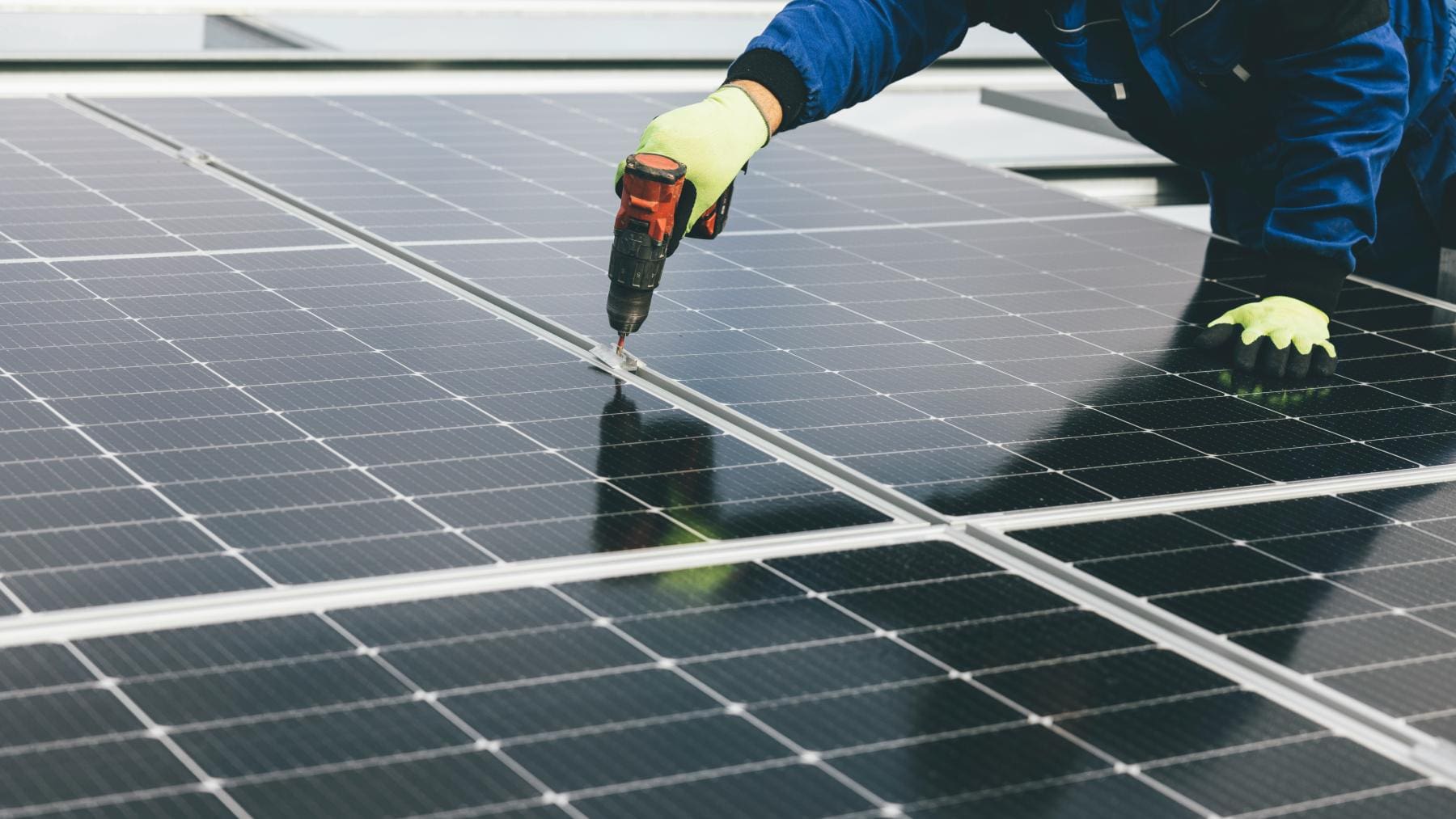
In a small manufacturing town in northeast Ohio, a rubber products facility has quietly crossed a threshold no other commercial building in Seville had reached before. The site didn’t set out to make history — it set out to cut costs and reduce its environmental footprint.
What happened on that industrial rooftop may signal something larger than a single company’s energy decision.
A manufacturing town’s first commercial solar milestone
Blair Rubber Company’s facility in Seville, Ohio now holds a distinction no other commercial building in town can claim: it was the first to install solar power. The project was completed by Artisun Solar on behalf of IKO, the parent roofing company with which Blair Rubber is affiliated. For a small manufacturing community in northeast Ohio, that’s a quiet but concrete marker of change.
Solar arrays add structural load, and long-term performance of both the roof and the panels depends heavily on how carefully the system is designed from the start.
Blair Rubber isn’t a light-footprint operation. The company manufactures corrosion-resistant rubber linings and conveyor belt splice products — industrial goods requiring sustained, energy-intensive production. That context matters. When a facility like this moves toward renewable energy, it isn’t a symbolic gesture. It’s a practical response to the realities of running a heavy manufacturing plant.
What 503 kilowatts looks like on a flat industrial roof
The installed system carries a capacity of 503.1 kW, designed to generate energy equivalent to 16% of the facility’s total demand. That’s not full energy independence — but it’s a meaningful share, enough to move the needle on operating costs and carbon output without overhauling the facility’s entire energy infrastructure.
Flat industrial roofs present their own engineering challenges. Solar arrays add structural load, and long-term performance of both the roof and the panels depends heavily on how carefully the system is designed from the start. Artisun Solar engineered this installation with that tension in mind. The roofing system beneath the array uses IKO Innovi TPO, IKOTherm Polyiso, and IKOTherm Covershield — materials selected specifically to maintain structural integrity under the demands of a solar installation.
Peter Whitney, Vice President at Artisun Solar, described the design approach directly: “At the Blair Rubber facility, we focused on a design that delivers high energy output while preserving the roof’s lifespan. The result is a solar array that supports IKO’s power needs and keeps the facility’s structural integrity intact.”
Over a lifetime: more than $2.7 million in avoided costs
The installation is projected to deliver more than $2.7 million in avoided energy costs across its operational lifetime. For industrial manufacturers, energy is one of the most significant and volatile line items in the operating budget. Prices shift with markets, seasons, and policy — and there’s limited short-term leverage over any of it.
Solar doesn’t eliminate that exposure. What it does is lock in a portion of energy supply at a predictable cost, and over time that predictability compounds. The $2.7 million figure reflects decades of avoided grid purchases — costs that, without this installation, would remain subject to whatever the market charges.
That reframes the project clearly. It’s not purely an environmental statement. It’s a financial decision with environmental co-benefits, and that dual logic is increasingly how industrial solar adoption gets justified and approved at the corporate level.
IKO’s ‘Beyond’ program: sustainability at the facility level
The Blair Rubber installation sits within a broader framework. IKO operates a sustainability program called Beyond, which targets responsible operations across its North American facilities — covering energy efficiency, resource management, and operational transparency. Solar generation is one component within that wider structure, not the whole of it.
Darren Rafter, Director of Sustainability at IKO North America, connected the project directly to that program: “Projects like this at Blair Rubber demonstrate how we are putting our Beyond program into practice at the facility level. While renewable energy is one part of the approach, we are also focused on advancing resource efficiency across our operations.”
That framing is deliberate. Renewable energy generates visible headlines, but the program’s scope extends to how materials are sourced, used, and recovered across IKO’s manufacturing footprint. Beyond isn’t built around a single issue.
A pattern taking shape across IKO’s North American plants
The Seville installation doesn’t stand alone. IKO has been building out facility-level sustainability measures at multiple sites — at its commercial roofing plant in Hagerstown, Maryland, the company implemented product waste recovery and reuse systems, while its Hawkesbury, Ontario facility received an in-line asphalt shingle recycling system to reduce raw material consumption and cut landfill waste.
Each project addresses a different pressure point: energy costs in Ohio, material waste in Maryland and Ontario. Taken together, they suggest a systemic approach rather than isolated responses to individual problems — a distinction that matters when evaluating whether a corporate sustainability program is substantive or largely cosmetic.
The pattern is worth watching. As IKO continues expanding the Beyond program, the question isn’t whether Blair Rubber’s solar installation was a meaningful step — it clearly was. The question is what comes next, and whether the pace of facility-level action accelerates across the broader portfolio. For manufacturers weighing similar decisions, the Seville project offers a concrete data point: first-of-its-kind in a small Ohio town, and potentially a preview of what becomes standard practice.

Carlos is an engineer with strong expertise in technical and industrial topics. He previously worked at international companies such as Siemens and is multilingual.
