
Norway’s century-old hydropower tunnels are getting a multibillion-dollar second life before the lights go out
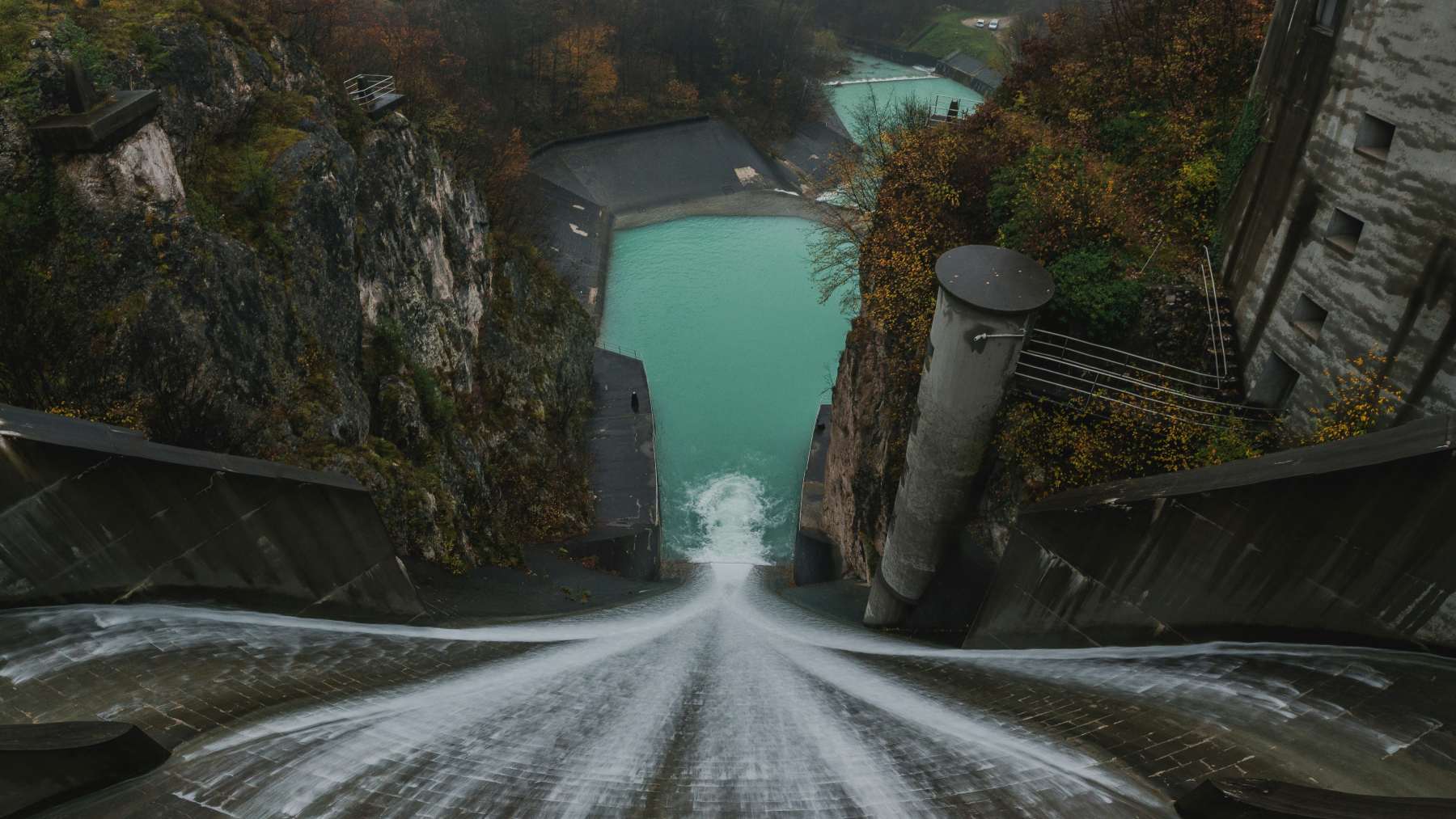
Deep inside Norwegian mountains, tunnels blasted from solid rock six to eight decades ago still channel water to turbines that have quietly powered a country for generations. Some of these plants have been running since 1928 — long before Norway’s postwar boom, long before the modern grid.
Now, many of them are approaching the edge of what they were built to endure. What comes next is one of the largest industrial undertakings Norway has seen in decades.
Decades of electricity, now facing a reckoning
The hydropower plants Statkraft operates weren’t built to last forever. Many were constructed between the 1920s and 1950s, and after decades of continuous service, they’re converging on the same critical threshold at roughly the same time. Tunnels, waterways, and generating equipment are all aging simultaneously — a compounding maintenance challenge that leaves almost no room for delay.
As a dispatchable, flexible resource, it helps balance variable renewables across the broader European grid — when wind drops and solar dims, hydro can respond.
CEO Birgitte Ringstad Vartdal put it plainly: “We are dealing with tunnels excavated 60–80 years ago. We are now entering a phase where much of the equipment is reaching the end of its service life, while tunnels and waterways require upgrades.”
Her broader point cuts against a common assumption. Hydropower is often treated as infrastructure that, once built, essentially runs itself — Vartdal pushes back on that directly, noting that hydropower is “often portrayed as almost cost-free.” Sustaining it requires substantial, ongoing commitment. This investment wave isn’t a strategic choice so much as an infrastructure reality arriving on schedule.
An $8.6 billion commitment — and what it covers
Statkraft has announced a NOK80 billion (approximately $8.6 billion) investment in Norwegian power generation over the next ten years. More than NOK70 billion of that targets hydropower specifically. The plan splits roughly in half: around NOK40 billion goes toward maintaining existing assets to protect current generation capacity, while the remainder funds upgrades, new capacity, and output improvements.
The scale stands out even against Statkraft’s own recent projections. Just 18 months earlier, in January 2024, the company had estimated the required investment at NOK44–67 billion. The revised figure is nearly double the lower end of that range — a clear sign of how quickly the full scope of work has come into focus. Vartdal described the increase as fully aligned with the company’s strategy to concentrate investments in its core business.
Plants being rebuilt, not just repaired
Statkraft plans to initiate at least five major upgrade projects before 2030, including some of Norway’s oldest operating facilities: Nore in Buskerud, which opened in 1928; Mår in Telemark, opened in 1948; and Aura in Møre og Romsdal, which came online in 1953. These aren’t minor refurbishments. They involve rebuilding plants that have been running for the better part of a century.
In Alta, the upgrade goes a step further — the facility will expand from two to three generating units, allowing the plant to capture water that currently bypasses it entirely during the flood season. New capacity extracted from existing infrastructure. Dam safety is also part of the agenda, with several older structures requiring reinforcement to meet stricter modern standards and to improve resilience as climate conditions shift.
Executive VP Pål Eitrheim framed the overall effort in geographic terms: “We are rebuilding major hydropower plants… from Finnmark in the north to Telemark in the south, and from Innlandet in the east to Vestland in the west.”
Wind power joins the overhaul
The modernization program extends beyond hydropower. Three of Statkraft’s wind farms are approaching the end of their operational lifetimes and are being repowered as part of the same investment cycle — the goal being to significantly increase output while actually reducing the number of turbines, a more efficient footprint producing more electricity.
Statkraft is drawing on experience from comparable repowering projects already completed in Spain. Eitrheim said the company’s estimates suggest it will more than double wind power generation over the decade. That additional output, combined with the hydropower upgrades, is expected to contribute to lower power prices and support employment across Norway.
What this means for Europe’s clean energy backbone
Norwegian hydropower plays a role that extends well beyond Norway’s borders. As a dispatchable, flexible resource, it helps balance variable renewables across the broader European grid — when wind drops and solar dims, hydro can respond. The upgrades Statkraft is pursuing are designed specifically to increase output at those moments, making the system more reliable precisely when reliability matters most.
Eitrheim described the NOK80 billion program as “one of the largest industrial programs in Norway for many decades” — a characterization that reflects both the financial scale and the economic ripple effects reaching suppliers and communities throughout the country.
Plants that successfully come through this modernization window are expected to generate electricity well into the next century. The central question going forward is whether Norway’s aging infrastructure can be renewed at the pace and scale the grid will increasingly depend on — and whether this model of deep reinvestment in legacy hydropower finds echoes elsewhere in Europe.

Carlos is an engineer with strong expertise in technical and industrial topics. He previously worked at international companies such as Siemens and is multilingual.
