
BLM approves Dewey-Burdock uranium in-situ recovery project in South Dakota, authorizing infrastructure on 240 acres of public land
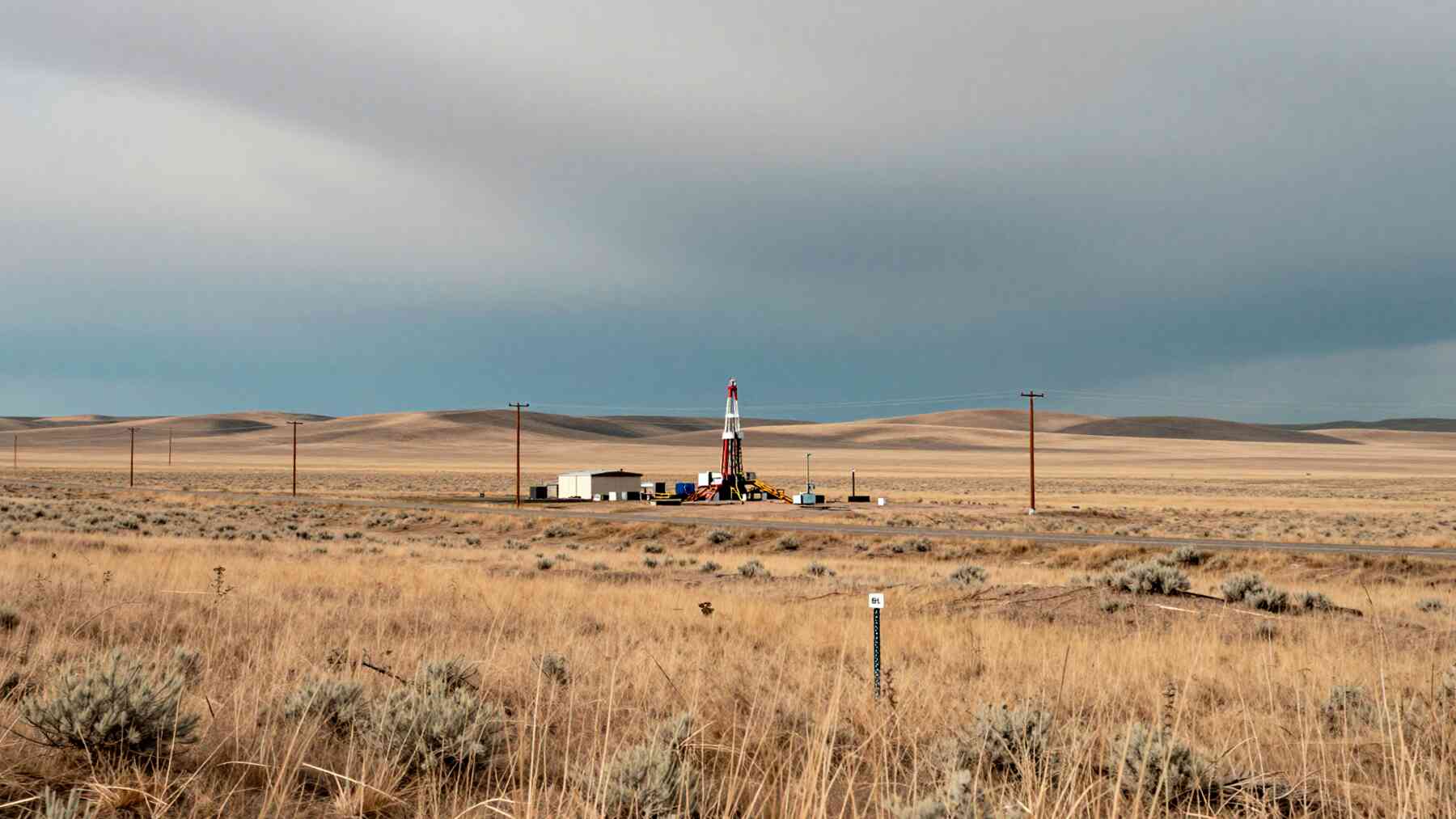 AI-made
The Bureau of Land Management has issued its final decision approving the Dewey-Burdock uranium in-situ recovery project in Fall River County, South Dakota. The ruling, which includes a Finding of No Significant Impact and a Decision Record, authorizes Powertech (USA) Inc. to construct initial ancillary infrastructure on approximately 240 acres of BLM-managed public land.
BLM Issues Final Approval for Dewey-Burdock Project
The decision covers a 10,580-acre project area, though the actual footprint on public land is notably small. Total ground disturbance on BLM-administered land is limited to approximately 4.2 acres — a figure that reflects the targeted scope of the authorized work.
Approved infrastructure includes portions of primary and secondary access roads, light-use roads, four groundwater monitoring wells, and overhead powerlines. All of it is designed to support operations on adjacent private lands rather than on the public acreage itself.
The NRC completed its supplemental environmental review in 2014, so the BLM’s current decision represents the culmination of a lengthy, multi-agency process.
Environmental Review Process and Public Comment Period
Before issuing the final decision, the BLM followed a structured environmental review process. The bureau published a draft environmental assessment on April 14, 2026, opening a 30-day public comment period for stakeholders and the general public.
The response was substantial — 764 submissions addressing concerns that ranged from groundwater protection and cultural resources to tribal issues, environmental justice, and federal legal compliance. Every comment was reviewed and incorporated into the final environmental assessment.
The assessment did not start from scratch, either. It was tiered to the U.S. Nuclear Regulatory Commission’s 2009 Generic Environmental Impact Statement and the 2014 Supplemental EIS prepared specifically for the Dewey-Burdock project, building on more than a decade of prior regulatory analysis.
Scope of Authorized Activities and Regulatory Conditions
One important distinction shapes how this approval should be read: the BLM decision authorizes only ancillary infrastructure on public lands. Production well fields, processing facilities, wastewater impoundments, and uranium extraction activities are all outside the scope of what is approved on BLM-administered acreage.
The actual in-situ recovery operations will be conducted on adjacent private lands. Roads, monitoring wells, and powerlines support those operations without placing any extraction activity on public ground.
Powertech must implement all design features and conditions of approval outlined in the decision—requirements tied to 43 CFR 3809, the federal surface management regulations governing mining-related activities on public lands and intended to prevent unnecessary or undue degradation. Oversight will be ongoing, with BLM staff required to inspect the Plan of Operations at least twice per year during active operations.
Background on the BLM and Uranium In-Situ Recovery
The BLM manages approximately 245 million acres of public land, located primarily across 12 western states and Alaska. The agency also administers 700 million acres of subsurface mineral estate nationwide — a scope that gives it broad authority over how mineral resources on and beneath public lands are developed.
In-situ recovery differs significantly from conventional open-pit or underground mining. Rather than physically removing rock, the process dissolves uranium underground and pumps the resulting solution to the surface for processing. Proponents argue the method limits surface disturbance compared to traditional approaches.
The Dewey-Burdock project has been under regulatory review for well over a decade. The NRC completed its supplemental environmental review in 2014, so the BLM’s current decision represents the culmination of a lengthy, multi-agency process. Fall River County sits within a region of South Dakota long associated with uranium deposits.
Two Mandatory Inspections a Year
The BLM’s final decision marks a significant regulatory milestone for the Dewey-Burdock project after years of review. Powertech (USA) Inc. is now authorized to construct ancillary infrastructure—roads, monitoring wells, and powerlines—on roughly 240 acres of public land, with actual ground disturbance capped at about 4.2 acres.
The approval is narrow in scope. Uranium extraction, processing, and well field operations are not authorized on BLM-managed land; those activities will occur on adjacent private property. Federal surface management regulations apply, and the BLM will conduct at least two inspections per year during active operations.
The environmental assessment drew 764 public comments and was tiered to prior NRC environmental reviews dating back to 2009. Those reviews, taken together, form the regulatory foundation on which this decision rests.
Kelly is an experienced writer with 15 years of experience exploring the big stories that shape our world, from tech breakthroughs and space exploration to climate, energy, and the fascinating quirks of science. She has a talent for turning complex ideas into sharp, memorable insights that stay with readers long after they’ve finished reading.
