
BP signs deal to sell 250 Austrian retail and EV charging sites to Volenergy AG
 AI-made
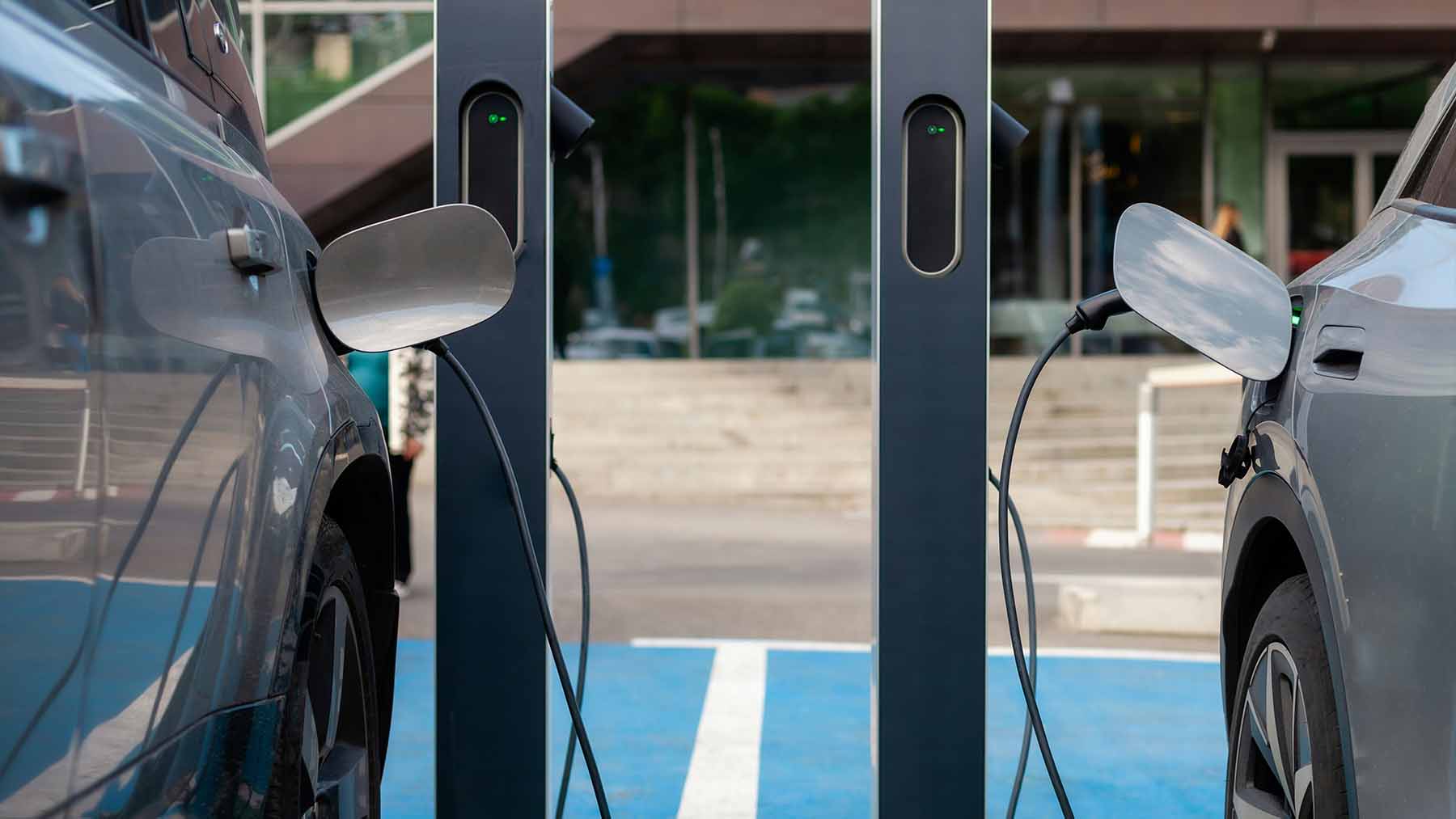
BP is selling all 250 of its retail stations and EV charging sites in Austria to Volenergy AG, a unit of Switzerland-based Volare Group AG. The deal, expected to close by the end of 2026 pending regulatory approvals, transfers BP’s full stake in BP Retail Austria GmbH—including franchise-operated locations and the company’s EV charging infrastructure across the country. It marks another step in BP’s accelerating effort to shed assets and reshape its downstream business ahead of a 2027 deadline.
What BP is selling and to whom
The transaction transfers 100 percent of BP’s stake in BP Retail Austria GmbH to Volenergy AG. That means Volenergy gets the whole operation — not just the sites, but the legal entity behind them.
Of the 250 BP-branded retail locations in the deal, 115 are owned by BP and run on a franchise model. The rest belong to the broader retail network BP has built in Austria over the years. Volenergy also picks up BP’s EV charging infrastructure and associated fleet in the country.
More recently, BP confirmed the completed sale of its BP Pulse, convenience, and mobility businesses in the Netherlands to local fuels distributor Catom BV.
On top of that, it acquires BP’s non-operating interests in three entities: Autobahn-Betriebe GmbH, Erdöl-Lagergesellschaft mbH, and TLM Tanklager Management GmbH, based in Linz—three joint ventures in total. BP’s aviation and Castrol operations in Austria stay out of the deal entirely. Financial terms weren’t disclosed.
Why BP is exiting Austrian retail operations
BP isn’t selling Austrian assets because the business is struggling. The company has decided to concentrate capital where it thinks it can compete most effectively, and Austria’s retail network didn’t make that cut, according to BP‘s press release.
The move is part of what BP calls its “simplification drive”—a strategic reset announced in February 2025. The target: $20 billion in divestments by 2027. That’s an aggressive number, and BP has been moving fast to hit it. After selling its Gelsenkirchen refinery and associated assets in Germany to the Klesch Group, BP revised its structural cost reduction target upward — from $5.5–6.5 billion to $6.5–7.5 billion in savings by 2027.
BP interim downstream EVP Richard Harding put it plainly: “By concentrating our capital on the assets and markets where BP can be most competitive and best serve customers, we are strengthening our balance sheet and creating a stronger downstream portfolio.” The Austrian sale fits squarely within that logic.
Brand continuity and transition terms
Pull into a BP station in Austria after this deal closes and you probably won’t notice anything different. The sites keep operating under the BP brand through a license agreement that kicks in post-completion — a deliberate part of the structure.
Volenergy, as part of the diversified Swiss Volare Group AG, takes over operational control while BP’s brand stays on the forecourt. Completion is expected by the end of 2026, subject to regulatory approvals, giving both sides room to manage the handover without disrupting customers or fuel supply. Until then, BP runs the business as usual.
This kind of arrangement isn’t new for BP. The company has used brand licensing as a bridge in previous divestments, letting it exit operationally while keeping a commercial footprint in markets it no longer wants to own outright.
BP’s wider divestment program: Recent transactions and targets
Austria is one piece of a much larger puzzle. BP has been systematically offloading downstream retail and mobility assets across Europe for several years, following a consistent pattern: exit the retail operation, often retain the brand, and redeploy the capital.
The company divested its mobility and convenience businesses in Switzerland in 2022, then Turkey in 2024. More recently, BP confirmed the completed sale of its BP Pulse, convenience, and mobility businesses in the Netherlands to local fuels distributor Catom BV.
The biggest move in this divestment wave came in December 2025. BP announced it was selling a 65 percent stake in Castrol—its lubricants brand—to Stonepeak Partners LP, a New York City-based infrastructure investor. The deal values Castrol at $10.1 billion, with net proceeds for BP of approximately $6 billion. BP retains a 35 percent stake in what becomes a joint venture, with the option to sell that remaining share after a two-year lock-up period. Every dollar from the Castrol transaction is earmarked for reducing net debt toward BP’s target of $14–18 billion by the end of 2027.
Deal expected to close by the end of 2026
Here’s where things stand. BP has signed an agreement to sell its entire Austrian retail and EV charging business—250 sites, the EV fleet, and three joint venture interests—to Volenergy AG, with the deal expected to close by the end of 2026.
The Austrian transaction is part of BP’s $20 billion divestment target, announced in February 2025, running alongside a cost reduction program now targeting $6.5–7.5 billion in savings by 2027. Austrian retail sites will keep operating under the BP brand after the sale completes, through a brand license agreement. BP’s aviation and Castrol operations in Austria aren’t part of the deal.
Taken together with the Castrol sale, the Netherlands exit, and earlier divestments in Turkey and Switzerland, BP’s strategy is clear: shed the assets it considers noncore, cut costs, and reduce debt—all before the 2027 deadline it has set for itself.
Kelly is an experienced writer with 15 years of experience exploring the big stories that shape our world, from tech breakthroughs and space exploration to climate, energy, and the fascinating quirks of science. She has a talent for turning complex ideas into sharp, memorable insights that stay with readers long after they’ve finished reading.
