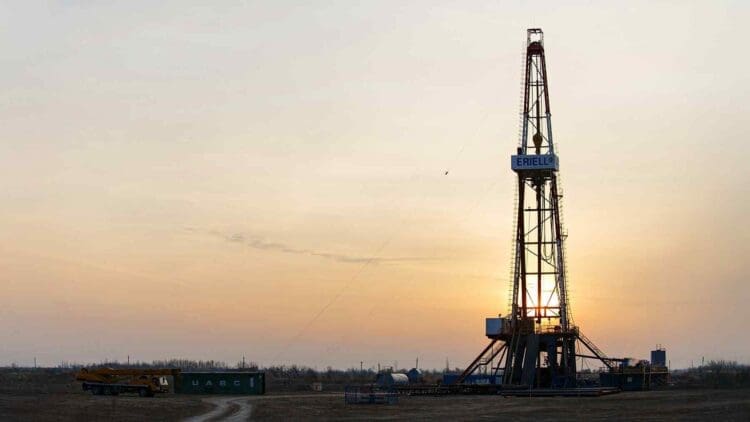

The Permian Basin has long been characterized as mature, crowded, and complex. Many assume that increasing efficiency will happen in small increments. However, underneath the familiar storyline, there is another one emerging, which indicates that the performance story of the Permian Basin is still being written.
A basin that does not run on instinct alone
Chevron’s Permian operations grew along with the growth of the basin itself. It was developed through experience and size, rather than by reinventing new ways to find oil and gas.
Size creates friction. With thousands of wells, a huge infrastructure base, and changing workforce demographics, even for well-experienced producers, there comes a point when errors become unacceptable.



At this point, decisions made based solely on past experience (field intuition) become insufficient. While the challenge is not to identify hydrocarbon reserves, it is to manage people, resources, and information in order to provide dependable production and predictable costs. At this point, digital field technology enters the conversation as a tool to support operational requirements rather than as a novel item.
When technology becomes necessary for operations
Recently, Chevron focused on implementing digital systems in day-to-day field activities versus using them as a layer on top. Today, sensors, real-time data platforms, and remote monitoring tools all influence how wells are monitored, how maintenance priorities are established, and how crews are dispatched throughout the Permian Basin.
It should also be noted that the scale is significant
Chevron operates thousands of assets in the Permian Basin. Operations occur in many areas away from major cities. Every additional trip to a site increases both the level of risk and the associated costs. Using digital field tools allows Chevron to accomplish more work out of central locations, thereby decreasing travel time, responding faster to problems, and reducing the need for personnel in the field.
As Chevron is moving toward greater use of technology, it is working closely with its employees. There are a few workers available today who have 10-20 years of direct experience in producing oil/gas. Therefore, Chevron is developing training programs for current employees in addition to their current efforts to attract new employees. They believe technology will help extend the knowledge/experience of existing employees, allowing them to work independently over larger and more complex operations with increased confidence.
What “integration” really means on the ground
While having technology does not necessarily mean that you will achieve results, it means that your ability to coordinate technology is critical. Chevron has worked hard to link together multiple sources of data, including drilling, production, and facility operations. In doing so, they are able to provide a holistic view of operations and make informed decisions. On-the-ground field staff members receive consistent data/information; engineers have access to timely information; and potential issues are recognized early enough to avoid escalation into full-blown disruptions.
These integrations result in incremental improvements that add up rapidly: reduced frequency of unplanned shutdowns; improved equipment usage rates; and stable production patterns. These improvements build upon themselves, resulting in an operating model where efficiency is sustained rather than continually sought.
A look beyond the Permian playbook
There is a trend building within large operators regarding their ability to achieve resilience. Chevron believes that technology combined with skilled labor and disciplined operation is part of a single strategy rather than three separate strategies. If Chevron is successful in replicating this model in other regions of the world or in future applications of oil/gas production, then it could represent a significant change in how energy operations evolve. The next question is whether this model will apply successfully outside of West Texas and what impact it will have on future developments.