
Phillips 66 is pushing more natural gas liquids through its Texas Gulf Coast pipelines by replacing manual adjustments with automated software
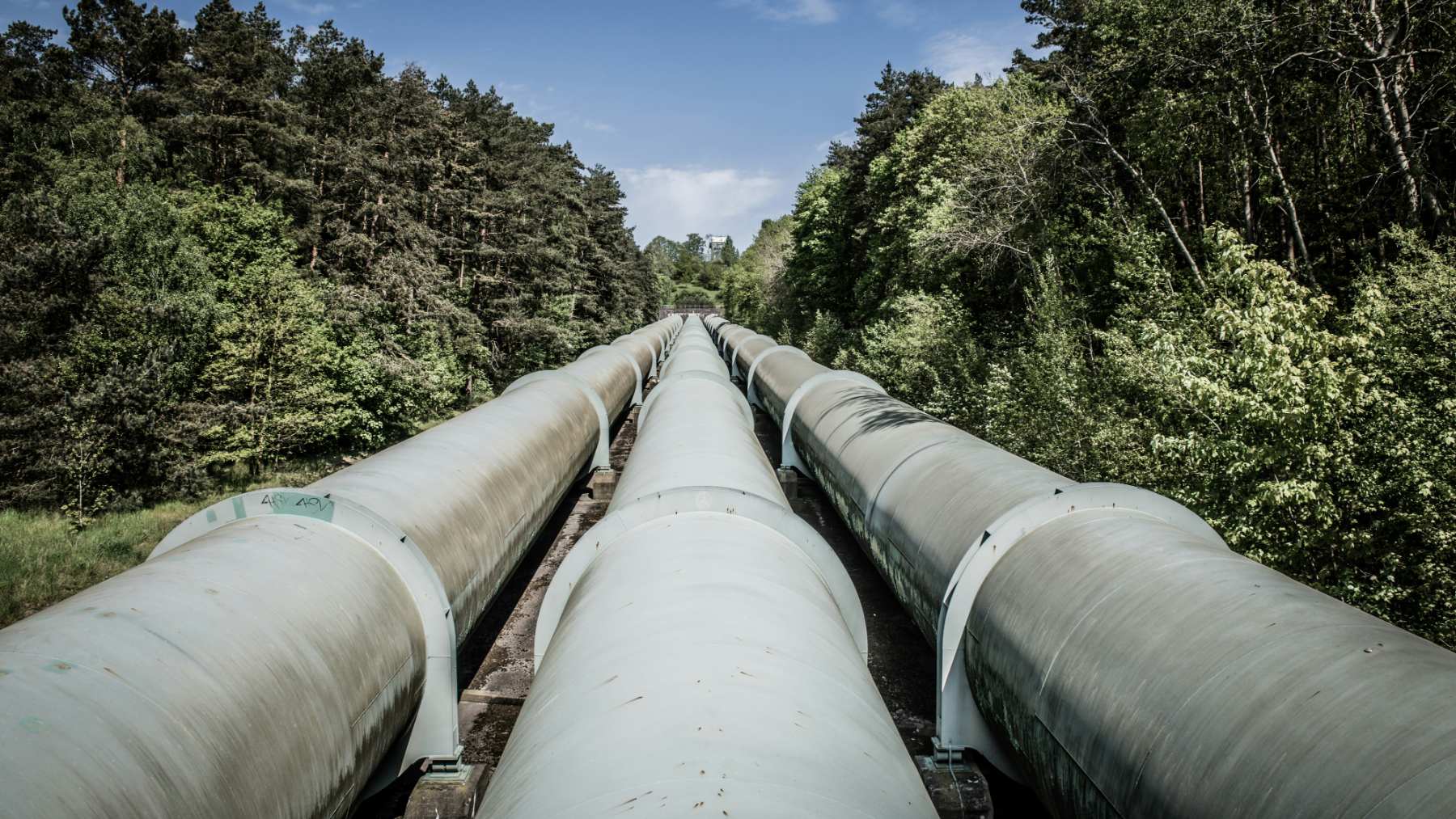
Along the Texas Gulf Coast, a web of pipelines and processing plants quietly moves millions of barrels of natural gas liquids — ethane, propane, butane — toward the heating systems, stoves, and plastics plants that depend on them. This network, known as the Coastal Bend system, sits at the center of a growing challenge: demand for these products keeps climbing, but new infrastructure takes years and billions of dollars to build.
Something is shifting inside these facilities. Not new pipes or tanks — something less visible, running quietly in the background, steadily changing how the system operates.
A system acquired, then immediately put to work
Phillips 66 completed its acquisition of the Coastal Bend pipeline and fractionation assets as part of a 2025 purchase along the Texas Gulf Coast. For most companies, integrating a newly acquired system is a slow process — months of assessment before meaningful changes take hold. Phillips 66 moved differently, treating digital deployment into Coastal Bend as an early priority rather than something to revisit once the paperwork settled.
Senior Manager David Bevill put it plainly: APC helps maintain a steady, reliable operating window, enabling the facility to safely handle more barrels each day.
The system handles a critical function. Mixed natural gas liquids arrive at processing facilities and must be separated into individual products before reaching downstream markets. That separation process — fractionation — requires precise control over temperature, pressure, and flow. At the volumes these plants handle, small inefficiencies compound fast.
How ‘cruise control for pipelines’ actually works
Advanced Process Control, or APC, is the technology Phillips 66 chose to deploy first. The name sounds technical, but the concept isn’t complicated. APC uses real-time data and predictive models to make continuous, automatic micro-adjustments to plant operations — holding temperature, pressure, and flow within a stable range without requiring operators to step in at every fluctuation.
The cruise control analogy holds up well. Just as cruise control maintains a vehicle’s speed across changing terrain, APC keeps plant operations steady as conditions shift. Routine adjustments happen automatically.
That redistribution of responsibility matters more than it might seem. When operators aren’t tracking every small variation, they can focus on broader system oversight — catching larger issues earlier, planning ahead, and making strategic calls instead of reactive ones. APC also allows facilities to run closer to their safe operating limits without exceeding them, which reduces variability and improves overall throughput. This isn’t experimental technology being tested for the first time at Coastal Bend; Phillips 66 has already deployed APC across gas processing plants, fractionation units at its Sweeny Hub, and export operations at Freeport.
Early numbers from Robstown tell an encouraging story
The most concrete evidence of what APC can deliver comes from a facility near Robstown, Texas, where Phillips 66 recently commissioned the technology on a plant that separates mixed NGLs into individual products.
Before the APC was in place, the facility processed an average of approximately 121,000 barrels per day during February. With APC running, the team set a target of approximately 130,000 barrels per day sustained over a 10-day period — an increase of nearly 7.5%, achieved without adding new pipes, tanks, or processing units.
Phillips 66 is measured in framing these results. The company describes the effort as still in a testing phase, and Director of Automation Cesar Filizzola called the early indications “very encouraging” — a careful description that reflects the preliminary nature of the data while signaling genuine optimism. Validating those numbers at scale remains ongoing work.
Why maximizing existing assets matters more than ever
The pressure to deliver more NGL supply is real and growing. Demand for ethane, propane, and butane — used in heating, cooking, plastics, and chemical manufacturing — continues to climb, while building new midstream infrastructure remains expensive and slow. Permitting, construction, and commissioning can stretch across years, and capital commitments are substantial.
That gap between rising demand and the pace of new construction is exactly where digital optimization finds its opening. If software can unlock incremental capacity from infrastructure already in the ground, operators can respond to market demand faster and at lower cost than traditional expansion allows.
Senior Manager David Bevill put it plainly: APC helps maintain a steady, reliable operating window, enabling the facility to safely handle more barrels each day. Software-driven efficiency gains may increasingly substitute for — or at least delay — capital-intensive expansion projects across the midstream sector. That’s a significant shift in how the industry thinks about growth.
A blueprint for connected midstream operations
Coastal Bend is functioning as more than a pipeline system. It’s becoming a test case for how Phillips 66 integrates digital tools into newly acquired assets quickly and effectively, and the speed of the APC deployment signals a clear intention: digital capability is part of the acquisition strategy, not something bolted on afterward.
Plans are already in place to expand APC use further across the broader midstream network. The goal, as Phillips 66 describes it, is a more connected, automated operation — designed to deliver stronger returns for both customers and the business.
APC is one layer of that larger strategy. As deployment expands and early results from Robstown are validated, the central question becomes how far this approach can scale — how many facilities can absorb the technology, and how much additional throughput remains locked inside existing infrastructure, waiting for software to release it. Those answers are still taking shape, and the industry will be watching closely as they do.
Daniel García is an Editor-in-Chief with strong expertise in structural work and engineering principles. He combines this technical foundation with deep knowledge of energy, spatial design, and emerging technologies, bringing a forward-thinking and analytical approach to editorial leadership.
