
China’s petrochemical stockpiles near depletion as US-Iran war cuts feedstock supply, driving wholesale price inflation
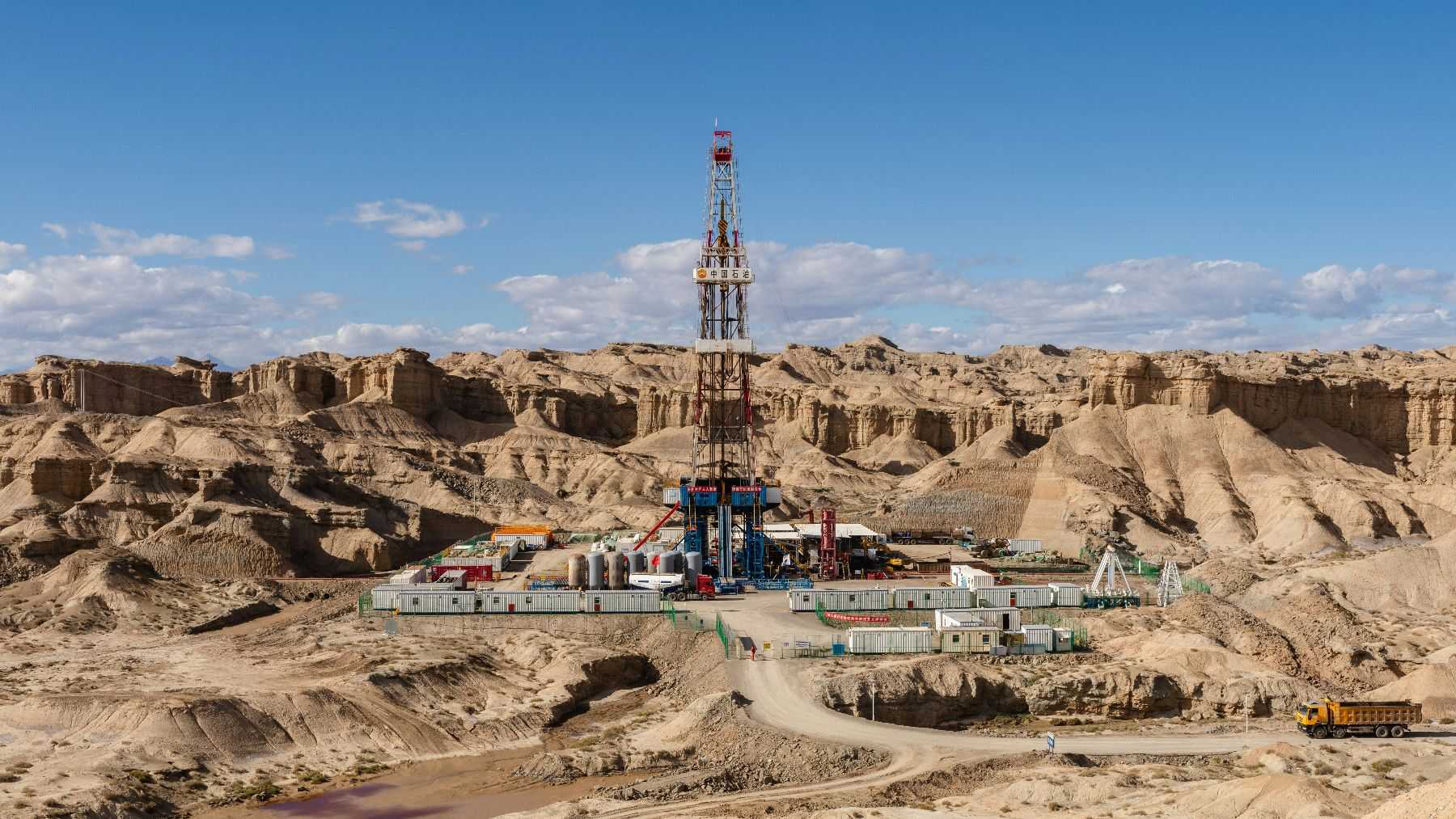
China burned through most of its petrochemical surplus in a matter of months. The stockpile — an unintended byproduct of years of domestic overproduction — had quietly served as a buffer against supply shocks. Now, with the US-Iran war severing Persian Gulf oil and naphtha flows, that cushion is nearly gone.
By October 2026, roughly 95% of end-use chemical inventories built up in 2025 had been depleted, according to Goldman Sachs. The squeeze is hitting aromatics, rubber, resins, and plastics hardest, JPMorgan and commodities data provider ICIS report — and wholesale prices are already climbing.
China’s petrochemical buffer nearly exhausted
The depletion hasn’t been gradual — it’s been swift. Goldman Sachs reported this month that around 95% of the end-use chemical inventories built up in 2025 have now been drawn down, a remarkable pace for a stockpile that took years of overproduction to accumulate.
It was an accident of overcapacity: refiners had expanded aggressively into chemicals, building surpluses that happened to serve as a buffer when the war hit.
Port inventories of aromatics grades are at multiyear lows across China, according to ICIS senior analyst Jenny Yi. Parsley Ong, head of Asia energy and chemicals research at JPMorgan, is blunt about it: inventory levels are “basically near the bottom.”
The pain is concentrated in the aromatics chain. Benzene, toluene, and paraxylene feed downstream into rubber for car tires and electrical insulation, resins, plastic bottles, paints, and coatings — and when aromatics supplies tighten, the effects ripple fast through every manufacturing sector that depends on those materials.
China’s petrochemical stockpile wasn’t a strategic reserve. It was an accident of overcapacity: refiners had expanded aggressively into chemicals, building surpluses that happened to serve as a buffer when the war hit. That buffer is now largely spent.
US-Iran war disrupts Persian Gulf feedstock flows
The supply shock traces back to the Persian Gulf. Iranian crude — a preferred input for many Chinese private refiners because of its pricing — has completely dried up under the US blockade, reshaping the feedstock equation for China’s entire chemicals sector.
Naphtha exports from the region remain constrained even as some broader energy flows from the Gulf have partially recovered. The distinction matters: recovering crude volumes don’t automatically translate into available petrochemical inputs.
Beijing’s policy response compounded the problem. The government prioritized gasoline and diesel output, pushing refiners to draw down petrochemical stockpiles rather than dedicate refinery capacity to chemicals production. That decision made sense from an energy security standpoint, but it accelerated inventory depletion considerably.
Robust Asian demand for toluene in gasoline blending added yet another layer of pressure. Toluene serves dual purposes — as a gasoline blending component and as a petrochemical feedstock — and right now the fuel market is pulling harder, diverting aromatics away from chemical uses and tightening an already strained market.
Wholesale prices rise 5%, inflationary pressure spreads globally
The inventory squeeze has a visible price signal. China’s producer price index moved from below zero in February to 5% in September — faster than analysts had anticipated — reflecting feedstock costs working their way through the supply chain.
That inflation isn’t staying inside China’s borders. Given the country’s role as a major supplier of petrochemicals and downstream products to global markets, price increases in Chinese wholesale markets tend to export themselves. Manufacturers elsewhere that source Chinese chemicals or finished goods are already absorbing higher input costs.
JPMorgan’s Ong expects buyers to “just have to accept a higher price,” though she doesn’t anticipate a sharp rally. The framing matters: this is a repricing of a tight market, not a speculative spike.
ICIS principal Salmon Aidan Lee characterizes the inflation as short-term in nature, driven by feedstock costs passing through the supply chain rather than any fundamental shift in demand. “Higher feedstock prices, when passed through the supply chain, are leading to short-term inflationary pressures on Chinese consumers,” he said. His view is that pressure will ease once underlying overcapacity reasserts itself.
Structural overcapacity limits the duration of the price spike
The unusual feature of this crunch is what sits behind it: a sector that still carries too much production capacity, even as inventories run dry. China’s cracker operating rate stood at 79% in October, well below the pre-war level of 88%. ICIS forecasts a recovery to 81% by year-end as plants return from maintenance — a modest improvement, still far from full utilization.
New capacity keeps arriving. BloombergNEF projects nearly 21 million metric tons (roughly 23.1 million short tons) of new global polyethylene manufacturing capacity will be producing or ramping up — a record increase, and a significant addition to a market already dealing with overcapacity before the war began.
Two contradictory conditions are running simultaneously: depleted near-term inventories alongside abundant underlying production capability. Once feedstock flows normalize and margins recover enough to justify higher operating rates, the structural surplus could reassert itself relatively quickly.
What this means for industrial markets
China’s petrochemical sector has moved from a multi-year glut to near-depletion in months, driven by the US-Iran war’s disruption to Iranian crude and Persian Gulf naphtha flows. Wholesale chemical prices have risen 5% since February, and those increases are feeding into global industrial supply chains.
The pressure is real but likely temporary. Structural overcapacity hasn’t disappeared — it’s been temporarily masked by feedstock disruption and inventory drawdown. As Salmon Aidan Lee of ICIS notes, products facing overcapacity will eventually return to an oversupplied state once short-term disruptions ease. For now, though, if you’re sourcing aromatics, rubber, resins, or plastics, expect to pay more.
Kelly is an experienced writer with 15 years of experience exploring the big stories that shape our world, from tech breakthroughs and space exploration to climate, energy, and the fascinating quirks of science. She has a talent for turning complex ideas into sharp, memorable insights that stay with readers long after they’ve finished reading.
