
Canada Energy Regulator’s northern technical leader Dan Coombs focuses on Indigenous engagement and Arctic regulatory oversight from Yellowknife
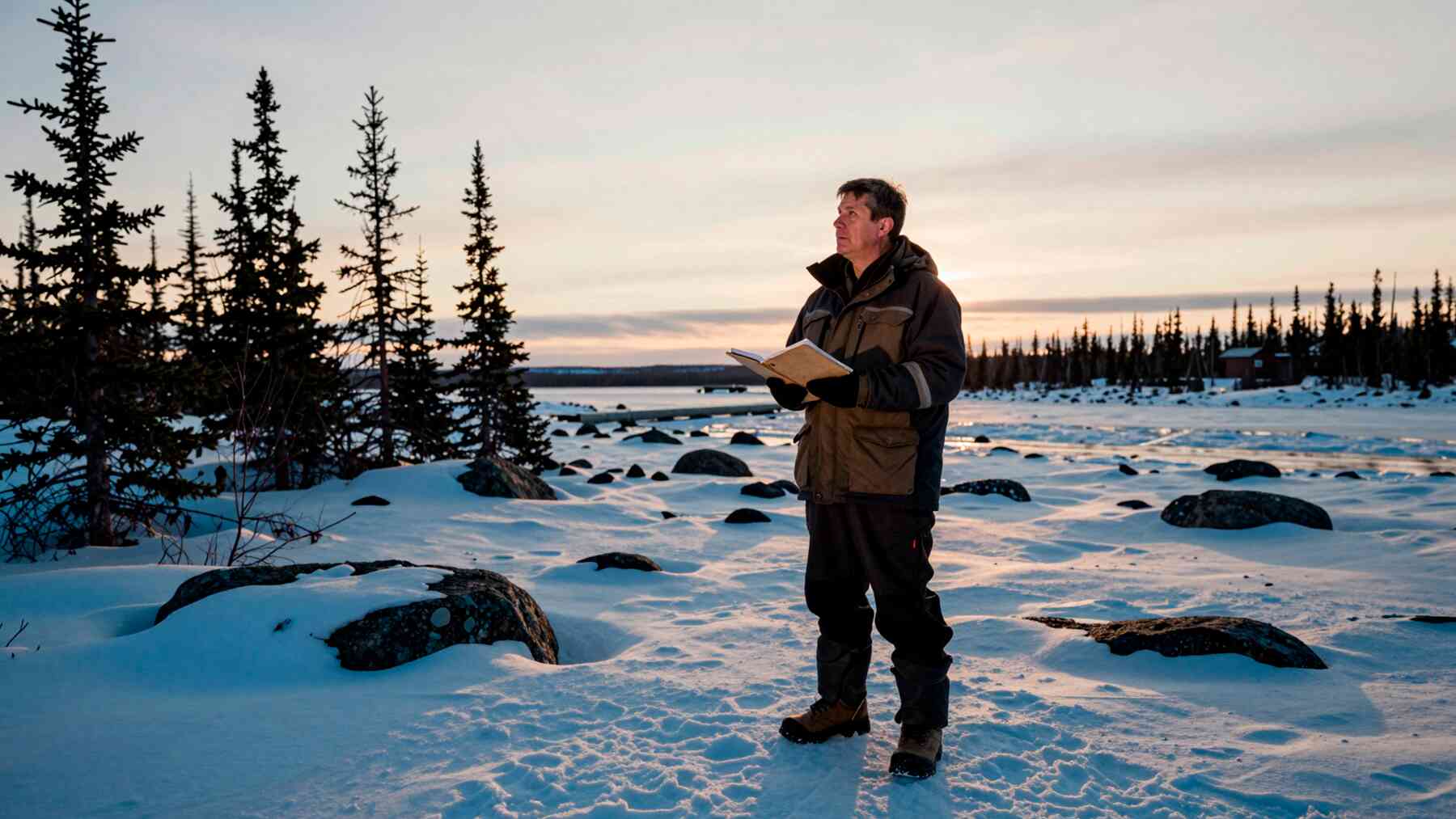 AI-made
Dan Coombs has an unusual job for a federal regulator: he lives where the work actually happens. As Technical Leader in the Northern Region at the Canada Energy Regulator, Coombs has been based in Yellowknife since 2019 — not in Ottawa — working to ensure the CER’s regulatory processes reflect the rights and needs of northern and Indigenous communities under the co-management framework established through modern land claim agreements.
It’s a mandate that goes well beyond paperwork.
Dan Coombs and his role at the Canada Energy Regulator
Coombs holds the title of Technical Leader in the Northern Region — a position with a broad and demanding scope. His mandate covers resource development oversight, emergency management, land use planning, and public interest representation across Canada’s territories. These are not abstract responsibilities. In remote northern regions, decisions about pipelines, land use, and environmental risk carry direct consequences for communities that often have limited access to federal institutions.
Outside of work, he spends time hiking, camping, hunting, and fishing on Great Slave Lake, where he says access to pike and lake trout is among the best in Canada.
Before joining the CER, Coombs worked at Fisheries and Oceans Canada, where he recognized strong parallels between the two organizations. Both enforce critical safety regulations and require sustained, meaningful engagement with the public, stakeholders, and Indigenous groups. That shared commitment to community-facing regulatory work made the transition feel natural — and the northern dimension of the CER role made it particularly compelling.
Co-management framework and Indigenous engagement
The regulatory framework governing Canada’s territories was not designed in isolation from the people who live there. It was developed through co-management principles rooted in modern land claim agreements that recognize Indigenous rights and governance — a foundation that shapes how the CER operates in the North, and how Coombs approaches his work every day.
“My job is to support meaningful engagement that reflects the needs of Northerners, to learn from them and to build trust in the CER as a lifecycle regulator,” Coombs has said. That statement captures the dual nature of his role: regulatory oversight on one side, relationship-building on the other.
Trust is not a given. Federal regulators have historically struggled to earn and maintain it in Indigenous and northern communities, and Coombs identified this engagement priority as a key reason he took the position. Working collaboratively with communities — rather than issuing decisions from a distance — is central to how he defines success.
Renewed focus on Arctic security and development
Coombs acknowledged that there is a renewed national focus on Arctic security and development, and that shift adds weight to an already significant set of responsibilities. The territories are no longer peripheral to national policy conversations. They are increasingly central to discussions about sovereignty, resource access, and long-term economic strategy.
His work involves balancing environmental protection, sustainable economic development, and the evolving social needs of remote northern communities — none of which exist in isolation. A pipeline decision, for example, carries environmental, economic, and cultural dimensions all at once. Navigating that complexity requires both technical expertise and genuine familiarity with the communities affected, something Coombs brings from direct experience living and working in small northern communities throughout his career.
Background: Career path and northern experience
Coombs grew up on a family farm near Sault Ste. Marie, Ontario. Exploring the forests and waterways of Northern Ontario gave him an early, lasting connection to the natural environment. “I carry these lessons with me,” he has said, describing how those formative experiences shaped both his values and his professional direction.
His career has spanned resource development, emergency management, and land use planning across northern Canada — fields that are anything but narrowly technical. They require understanding how communities function, how ecosystems respond to industrial activity, and how regulatory decisions ripple outward into people’s daily lives. That breadth of experience is visible in how he approaches the role.
He has been based in Yellowknife since 2019 and describes the city as the “big city” of the North — a place with a range of food options, cultural amenities, and community activities that set it apart from smaller territorial communities. Outside of work, he spends time hiking, camping, hunting, and fishing on Great Slave Lake, where he says access to pike and lake trout is among the best in Canada.
Meaningful engagement is vital
Dan Coombs represents a deliberate approach to northern regulatory oversight — grounded in physical presence, co-management principles, and sustained community engagement. His role at the CER spans resource development, emergency management, and land use planning across Canada’s territories. The regulatory framework he operates within was built through modern land claim agreements, and meaningful Indigenous engagement sits at the center of his mandate. With Arctic security gaining national attention, the work he does from Yellowknife carries increasing strategic and policy significance.
Kelly is an experienced writer with 15 years of experience exploring the big stories that shape our world, from tech breakthroughs and space exploration to climate, energy, and the fascinating quirks of science. She has a talent for turning complex ideas into sharp, memorable insights that stay with readers long after they’ve finished reading.
