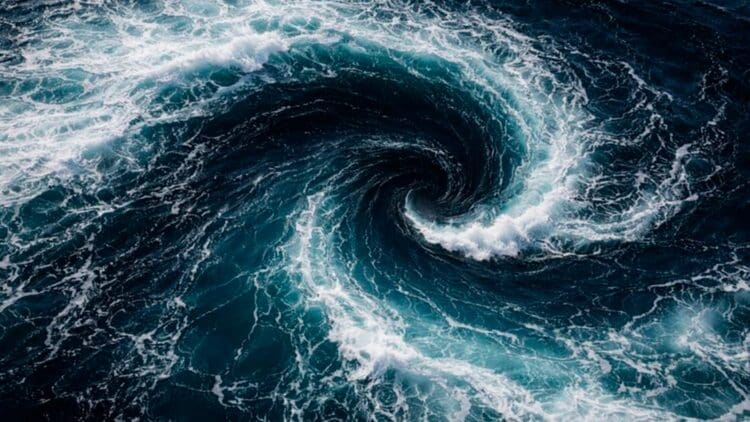

Prioritizing the sustainability of biomes should not be limited to land, as the largest biome on the planet, namely the ocean (marine biome), should also be considered. This has become increasingly important, as a new and strange phenomenon known as darkwaves threatens the existence of this vital biome. Researchers detected this event in two regions in America, but its impact can be seen all over the vast ocean. The question is, why are these darkwaves becoming more evident all of a sudden?
The marine biome: Complex and crucial
It should come as no surprise that the ocean is the largest biome and ecosystem on Earth, making up nearly 71% of the planet’s surface. According to the University of California Museum of Paleontology, this biome contains some of the most diverse species due to its being divided into four zones:
- Intertidal
- Pelagic
- Benthic
- Abyssal
Altogether, it becomes one of the most important biomes on Earth. The United Nations highlighted why the existence of the marine biome is so crucial to our very existence. First and foremost, phytoplankton live in the ocean and are responsible for producing over 50% of Earth’s oxygen. The biome also plays a significant role in climate regulation by absorbing carbon dioxide and 90% of excess heat. Other crucial roles include:
- Ensuring food security
- Sustaining biodiversity and habitats
- Economy and tourism support
- Providing coastal protection
- Contributes to medicine and research
Now, this highly crucial biome and its ecosystems are being threatened by an event that disrupts vital biological processes and inevitably impacts other biomes and mankind.
Darkwaves: A relatively new but disastrous event
The ocean may seem like a deep and dark place, but in truth, there are areas where light penetrates the salt water, up to 200m (Euphotic zone). However, a relatively new stressor event called “marine darkwaves” temporarily prevents light from penetrating the ocean, disrupting crucial photosynthesis and causing a chain effect of events.
A new study originally published in Communications Earth & Environment, and led by François Thoral, a marine scientist from Waikato and Canterbury Universities in New Zealand, confirmed that this event is usually sudden and extreme, and can be just as damaging as the gradual phenomenon known as “ocean darkening.” According to A-Z Animals, sudden darkwave events are triggered by:
- Intensified storms
- Floods
- Sediment deposition and runoffs
- Algal blooms
These triggers often occur after natural events such as mudslides, typhoons, and wildfires. These natural events are the result of climate change, which is why some states are endlessly trying to mitigate wildfires while decarbonizing carbon-heavy sectors. Nonetheless, this disastrous event is becoming a regular occurrence, and two regions in the U.S. have become known for it.
Two U.S. regions are known for this phenomenon
The researchers also found that marine darkwaves may occur suddenly, but can last for months, and besides photosynthesis disruption, can lead to the following disastrous events:
- Increased hypoxic conditions
- Higher toxin persistence (which can reach humans)
- Animal behavioral changes
- Ecosystem collapse
Studies on this relatively new event are limited, and the Santa Barbara Coastal Long Term Ecological Research (SBC-LTER) program is among the few to research the phenomenon. It has been concluded that marine darkwaves can often be seen along the California coast, particularly in proximity to the Santa Barbara Channel Islands.
New Zealand is also unfortunately prone to marine darkwaves, especially off the East Coast. The longest duration of darkwaves recorded off the East Coast was 64 days. Fortunately, the researchers’ new framework will enable further studies of the true impact of this event on various ecosystems in the ocean, as well as the natural events that cause marine darkwaves. It could help key role players make informed decisions, such as Kazakhstan’s request for stronger oil export corridor safeguards.