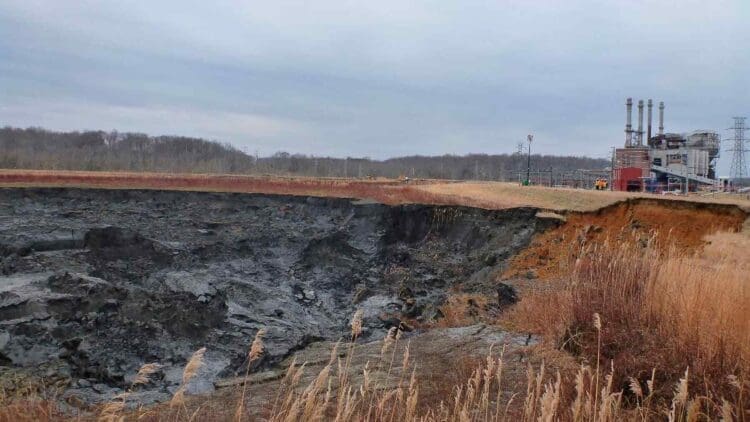

Spilling the tea on a devastating power disaster that affected big and small.
Some decisions truly have a lasting impact, and it is up to us to decide what that impact will be.
This places significant pressure on making the right choice – especially when the result could be good, bad, or sometimes, both.



However, when a decision concerns the environment, in the end, should it not always ensure that the greater good prevails?
How the golden age of power darkened the future
For some, it was the best of times, and for others, it became the root for the darkest of times.
It all began in the 20th century, when coal-fired power plants were hailed as the ultimate engine of modern civilization.
Coal was the “gold standard” of energy, offering what no other source could at the time, namely, unparalleled reliability.
High-rise development and industrial expansion were booming. Coal became the consistent “base load” energy source central to it all.
Worldwide, a centralized, coal-heavy grid was more than a choice. It was the most efficient approach to sustain a growing, thriving economy.
We cannot blame them, as engineering confidence was at an all-time high. For society, these facilities were symbols of human ingenuity.
Electricity was cheap and abundant, and that was all that mattered back then.
No one could have predicted the true impact this particular choice would have in the future.
What the Dan River spill teaches us about the “ticking time bomb” of coal ash
For decades, coal’s true impact on the world was never questioned.
The changes slowly but surely became more evident. Knowledge of carbon emissions and the intensifying reality of climate change expanded.
The prior symbol of progress is now recognized as a leading contributor to global warming. For 1 MWh of coal-fired power, more than 2,000 pounds of carbon dioxide are emitted into the atmosphere.
Cities transformed into regions with stagnant air quality and worsening “urban heat island” effects. While highly innovative solutions to address air pollution have been released, the accumulation of waste remains problematic.
Burning coal results in a byproduct, which was hidden in the ground, becoming a ticking time bomb. This buried waste created a physical pressure on the land that the “greater good” was never designed to handle.
Eventually, a devastating disaster followed, and the North Carolina Department of Environmental Quality had to pick up the pieces.
A 70-mile ash tsunami with exploding consequences
In February 2014, at the retired Dan River Steam Station in Eden, North Carolina, the once unimaginable happened.
Buried deep beneath a massive coal pond, a 48-inch concrete and corrugated metal stormwater pipe collapsed.
What followed was a massive tsunami of ash waste. Nearly 27 million gallons of toxic, ash-laden water and 39,000 tons of ash spilled into the Dan River.
What happens when a “gold standard” energy source turns toxic?
The spill traveled nearly 70 miles downstream. Big and small felt the devastating impact of the disaster.
The ash caused hypoxic conditions for bottom-dwelling organisms, which form the base of the food chain. As a result, ecosystems collapse.
Endangered species, including the Roanoke logperch and James spinymussel, lost their habitats to arsenic, selenium, and lead toxification.
The community was also affected, as public parks and recreational areas were forced to close.
The Dan River ash spill is the perfect example of how much weight a decision carries.
Sure, 20th-century experts may not have had all the facts about the potential environmental impacts of burning coal for energy. But now, we share the knowledge and the responsibility of sustaining the planet.
This disaster fast-tracked coal ash cleanup in the U.S. Now, we can only hope that coal-producing regions begin to invest in renewable and smart-grid projects instead.