
DOE advances new water power initiatives aimed at enhancing U.S. hydropower technology capabilities
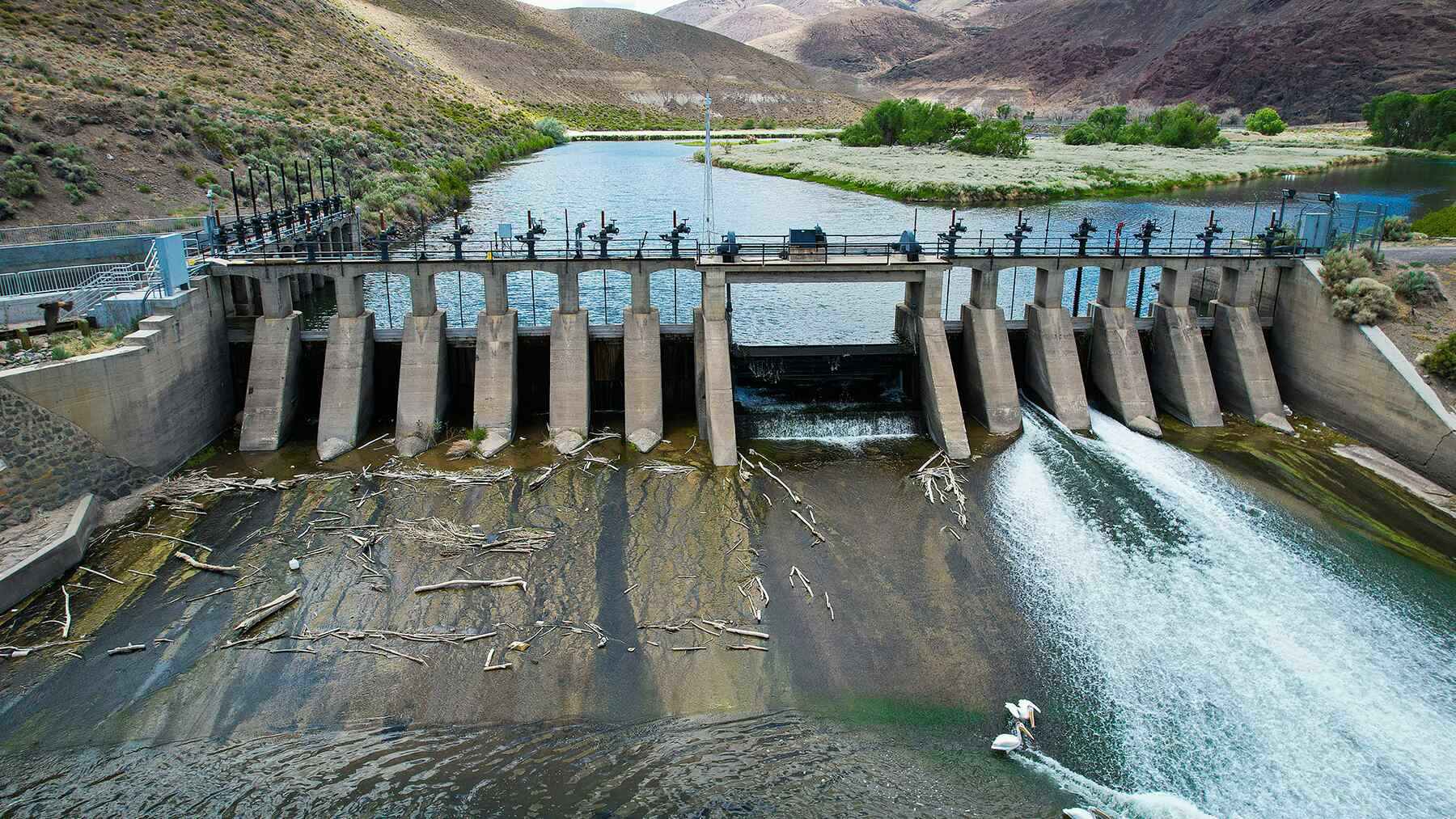
Hydropower is rarely in the news, however, due to its ability to function effectively “behind the scenes.” As the grid becomes increasingly complex and demand for energy increases, innovative uses of water power are being explored. To meet these demands, the U.S. Department of Energy has taken steps to strengthen the innovation ecosystem that will allow for hydropower to evolve.
Challenges facing a well-known resource
U.S. hydropower currently produces a large portion of the nation’s renewable electricity. However, the ability to maintain that position is becoming increasingly difficult. Commercialization timelines for developers are extended; developers do not always have access to the necessary testing equipment; and there is no unified path from research to deployment. Those issues can limit even the most promising concepts from reaching the marketplace for smaller companies and start-up innovators.
How start-up innovators will be supporting entrepreneurship
The Department of Energy’s (DOE) Water Power Technologies Office (WPTO) has chosen to focus on the initial stages of innovation. WPTO recently funded eight projects through incubators and accelerators focused exclusively on hydropower and marine energy entrepreneurs.
Instead, DOE is supporting regionally grounded programs that take into account local limitations while allowing Best Practices among participating organizations.
The total amount of funds provided was approximately $800,000. Unlike previous DOE funding initiatives that were based solely on individual technologies, this funding focuses on developing the systems needed for those technologies to develop and eventually mature.
Reframing what is seen as the limiting factor
DOE does not see resource availability as the primary limiting factor when it comes to developing water power innovations. Rather, they believe that an organization’s capacity to innovate, not the resources available to them, is the key to their success.
Why entrepreneurship became a policy tool
Unlike solar or wind-based technologies, water power technologies require large amounts of capital-intensive equipment, are typically site-specific, and are subject to various levels of regulation. Because of these factors, early-stage water power companies experience difficulty attracting investors and/or navigating regulatory hurdles associated with connecting to the grid.
Each of the projects includes a structured program intended to bridge the gaps identified above. Each project will receive approximately $100,000 over a period of 6 to 9 months. Up to 4 programs will also be eligible for additional follow-on funding totaling up to $1 million. The follow-on funding will be disbursed over a period of 3 years and will be used to continue providing support for each of the previously mentioned areas, including:
- Business development
- Regulatory compliance
- Guidance
- Supply chain coordination
- Investor readiness.
DOE has shifted the way water power innovations are developed by choosing to invest in accelerators instead of end products.
How they will be creating regional/sector-specific capacity
All 8 selected projects have unique geographic and organizational characteristics.
They include:
- Alaska-focused commercialization support
- University-driven Venture Studios using dormant IP to create technologies ready for markets
- Marine energy clusters and hydropower-specific challenges related to dam safety/licensing/grid integration.
This diversity is intentional. There are vast differences in water power resources, regulatory environments, and market conditions across the United States. Therefore, DOE chose not to implement a singular national accelerator model. Instead, DOE is supporting regionally grounded programs that take into account local limitations while allowing Best Practices among participating organizations. Therefore, they are creating a distributed innovation framework versus a centralized pipeline.
Workforce development versus system Resilience
While characterized as entrepreneur/small-business support, the implications of DOE’s efforts go further. The production of hydropower and marine energy contributes to the overall reliability of the grid, energy security, and long-duration flexibility. Strengthening the technology base of resources that produce hydropower/marine energy will ultimately strengthen the entire grid.
Officials have expressed their belief that supporting entrepreneurs will lead to economic development opportunities throughout the country while promoting innovation. It is logical to conclude that capable companies will lead to better technologies. Better technologies will lead to increased reliance on hydropower’s role within renewable energy sources.
