
DOE advances nuclear fuel recycling partnership program into candidate selection stage
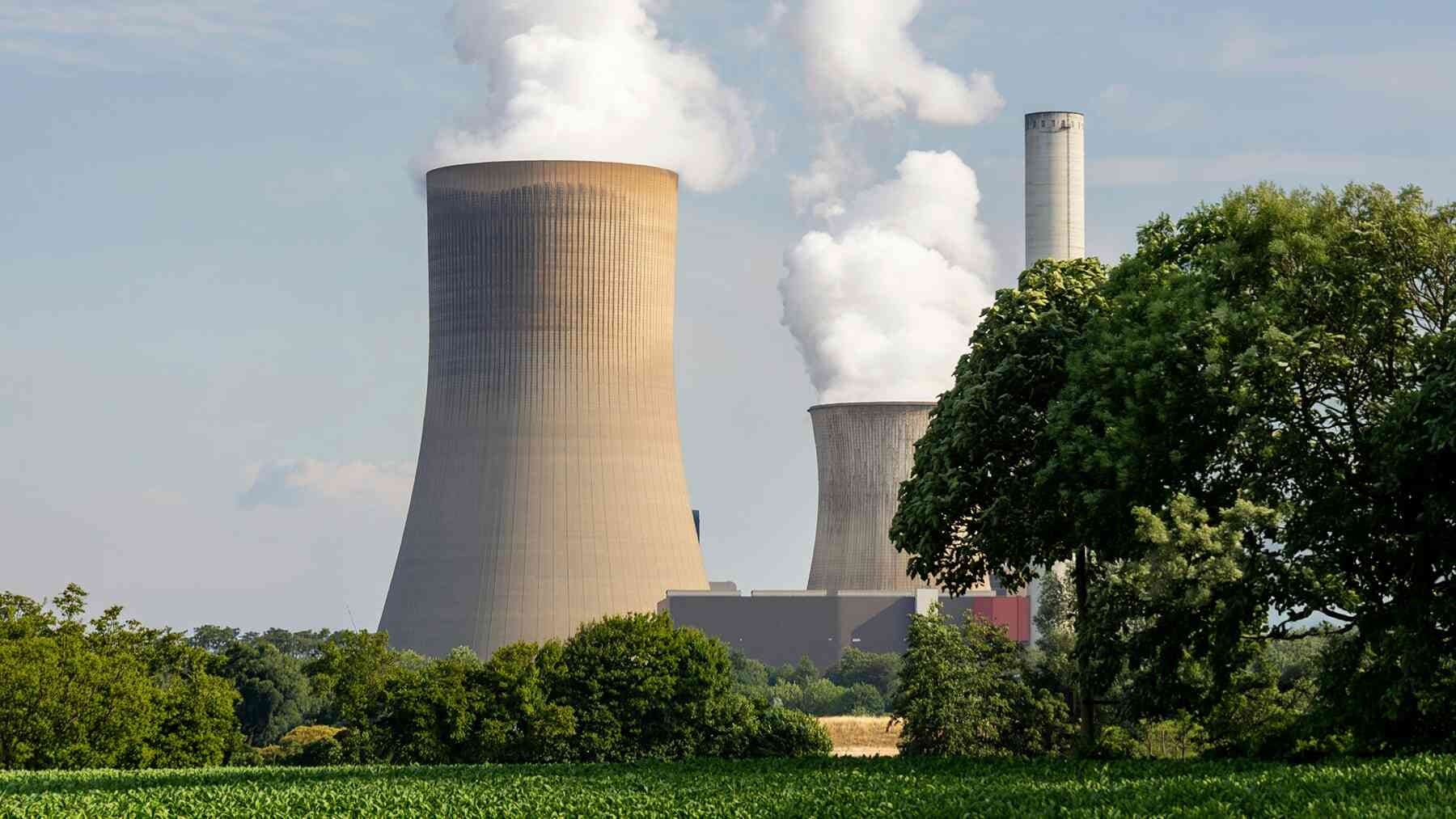
The United States’ dominance in the nuclear sector means that it has greater freedom to take risks in the hopes of coming up with even more captivating developments. When energy projects materialize, companies are usually given the majority of the credit. Still, it is important to consider that none of the projects would ever materialize without the government’s approval. With the clean energy transition now fully underway, governments have a greater incentive to approve projects that will contribute toward their ability to reach their targets. In continuing the momentum of clean energy projects, the DOE’s advanced nuclear fuel recycling partnership program has entered the candidate selection stage.
Assessing the significance of the Department of Energy to the U.S. energy sector
The Department of Energy has consistently been a talking point throughout the initiatives that have materialized in 2026. The department fulfills the role of shaping the energy landscape by driving policies that shift power generation away from historical, coal-heavy baseloads toward diversified, cleaner energy sources.
Through allowing private investments, liberalizing the electricity market, and enhancing grid resilience, the DOE is responsible for reducing chronic energy insecurity and supporting sustainable economic growth.
The DOE’s decision to remove generation licensing thresholds resulted in the unleashing an influx of private capital through Power Purchase Agreements (PPAs).
The DOE’s decision to remove generation licensing thresholds resulted in the unleashing an influx of private capital through Power Purchase Agreements (PPAs). Through mechanisms like the Renewable Energy Independent Power Producer Procurement Program (REIPPPP), the DOE has been able to drive the rapid deployment of solar and wind capacity.
Analyzing the DOE’s advanced nuclear fuel recycling partnership program
It was recently revealed that the U.S. Department of Energy’s Office of Environmental Management (EM) has closed the application period for its Request for Applications (RFA) seeking a private-sector partner to design, build, and operate a next-generation used nuclear fuel recycling and conditioning facility, reflecting the transition from outreach to review and selection in one of the department’s closely observed nuclear projects.
According to reports, the application window officially closed on June 19, marking the end of a two-month solicitation period that called upon industry to propose a commercial-scale demonstration facility at the Idaho National Laboratory (INL). The project is organized in a manner that it can recycle fuel from EM’s existing inventory.
This specifically includes the 3,400 unused fuel elements from DOE’s Advanced Test Reactor, which are being converted into high-assay low-enriched uranium (HALEU). The advanced fuel is required to power the next generation of nuclear reactors. U.S.-based companies are aware of the position that the country holds in the nuclear sector, and they are playing their part to ensure that it remains dominant.
Additionally, nuclear developers benefited massively from the integration of technology and the advancement of scientific expertise in the nuclear sector.
Analyzing the state of the U.S. nuclear landscape following the agreement
When the DOE actively participates in advancing the nuclear sector, there is a huge amount of positivity for what is to come in the future. In this case, Paul Murray, who is EM’s senior advisor for used nuclear fuel and high-level waste, unveiled that this is a vital moment for the program as they have moved from collecting ideas to selecting the partner who will spearhead the project.
The RFA in this case is seeking to capitalize on the momentum that was generated at an Industry Day held on May 27 in Idaho Falls, which attracted strong commercial interest among nuclear developers.
Looking ahead: The next-generation nuclear energy sector in the U.S.
The long-term goal for the U.S. is to maintain dominance in nuclear energy generation. In this particular initiative, the application period being closed means that federal evaluators can start to review the submissions made. The chosen offerer(s) are set to receive a long-term lease of prime federal land at the Idaho Nuclear Technology and Engineering Center (INTEC).
The United States has an abundance of resources and companies that are capable of carrying such a mission forward. However, there is a need for officials to carefully choose a company that has a good reputation and will most certainly execute the project as planned.
Prince is a versatile writer focused on energy, automotive, environmental, and general news topics. He makes complex technical and policy issues clear, engaging, and accessible for a broad audience.
