
DOE opens 2026–2027 student competitions to accelerate innovation in hydropower and marine energy technologies
Energy innovation often seems remote from classroom discussions, taking shape within laboratories and policy forums rarely visited by everyday people. However, behind each new technological development is the unspoken question of “who” will develop, test, and deploy the subsequent generations of technology. In response to this underlying inquiry, the U.S. Department of Energy (DOE) provided at least part of the answer – albeit indirectly.
An established resource is undergoing unfamiliar pressures
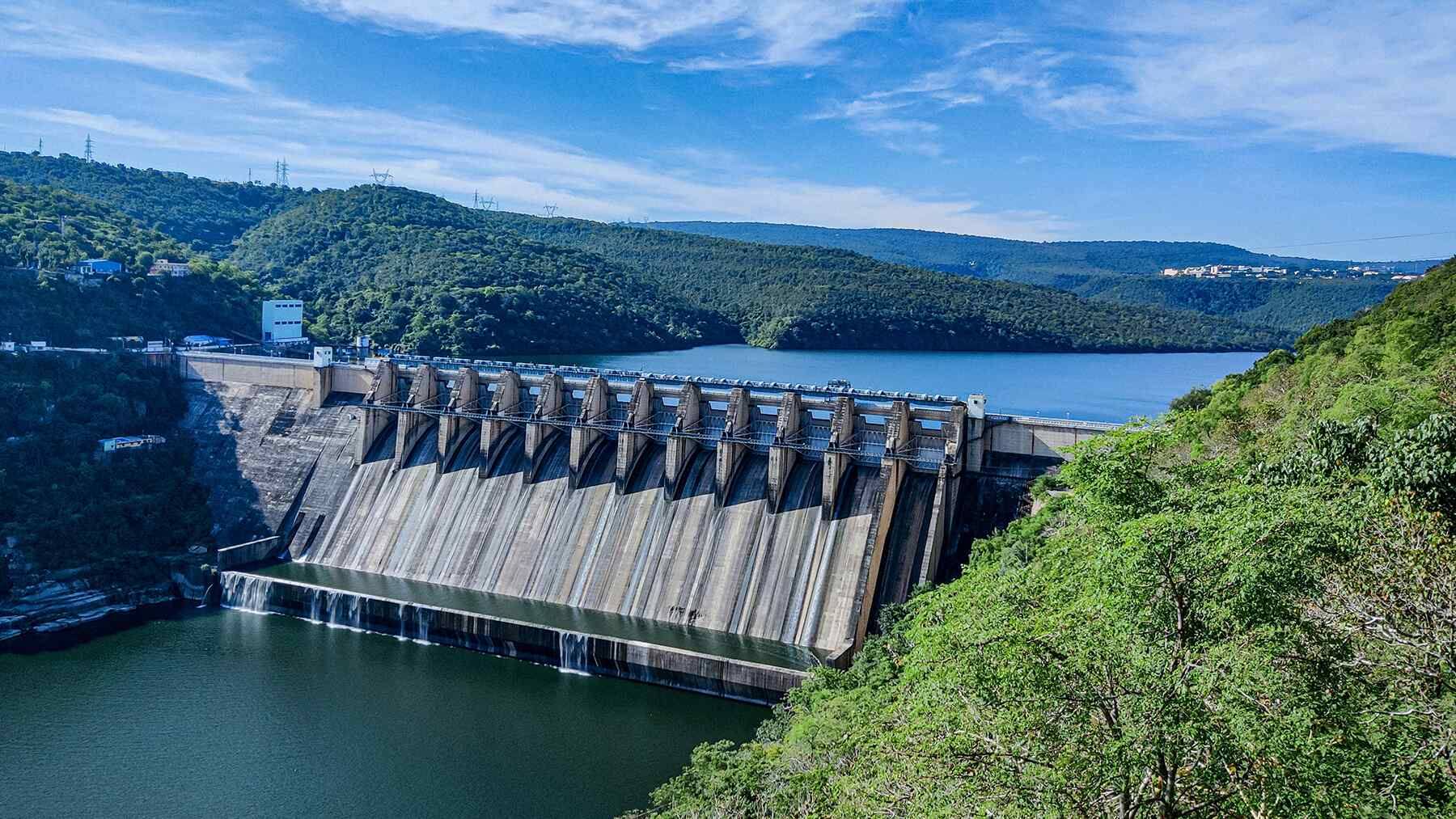
Hydroelectricity has traditionally been regarded as one of the few established energy sources in the United States. As such, dams, turbines, and rivers represent what feels like relatively familiar territory — particularly when compared to solar and hydrogen-based technologies. However, despite the sense of familiarity associated with hydroelectricity, this traditional energy source faces a myriad of pressures, including the need to evolve in response to climate-related variability, and accommodate an increasingly dynamic electric grid.
Responding to this duality of familiarity and novelty, the DOE’s Office of Critical Minerals and Energy Innovation is considering a broadened view of innovation that moves beyond simply upgrading existing infrastructure. To date, the DOE’s Hydropower and Hydrokinetic Office has accepted applications for the 2026-2027 Hydropower and Marine Energy Collegiate Competitions, specifically inviting students to become directly involved with those very same issues that continue to challenge the hydropower industry today.
Ultimately, the end result may not be singular breakthrough designs; rather, a generation better equipped to address ongoing energy transitions already underway.
Rather than viewing students solely as passive observers, the competitions invite students to actively participate in designing and imagining systems that are both technologically efficient and environmentally sensitive while simultaneously operating within realistic constraints.
Why students are being placed at center stage
On initial review, a student competition would appear symbolic; however, the scale indicates otherwise. Collectively, the total prize money available through both hydropower and marine energy tracks could reach up to $715,000, an amount indicative of a strong institutional commitment as opposed to merely theatrical.
As an added layer of interest, the competitions are inclusive of interdisciplinary teams representing U.S.-based collegiate institutions at all academic levels, from undergraduate to graduate. Rather than focusing on purely technical problem-solving, the competitions are intended to provide students with exposure to the full range of professional opportunities associated with water-based electricity production.
Concurrently, DOE is developing its Hydropower Testing Network
The network will be addressing a significant gap currently existing between conceptualized laboratory solutions and practical deployable technologies — a gap that continues to present obstacles for many emerging innovators. Together, these efforts collectively demonstrate an awareness that extends well beyond increasing the pace of innovation: ensuring a continuous supply of qualified professionals for sectors that support both electrical grid stability and local economic viability.
What these competitions will ultimately unlock
Upon further examination, the rationale behind these competitions becomes apparent upon viewing them as components of a pipeline as opposed to events. Through their collective integration — combining competitions with testing networks and exposure to industry — DOE is reducing barriers for young, innovative minds to transition their early-stage ideas toward maturity. As a result, students acquire hands-on experience navigating constraints that closely resemble those encountered by industries; similarly, companies and government agencies gain insight into emerging talent pools and unconventional thinkers.
Ultimately, this paradigm represents a transformational approach towards hydropower and marine energy, not as static legacy systems but as evolving areas that remain open to design decisions critical to future success. The competitions themselves serve less as competitive arenas and more as organized portals for access into an industry cognizant that innovation will rely equally upon individuals as well as on materials.
Through inviting students into the heart of hydropower and marine energy innovation processes, DOE is wagering that curiosity can function as infrastructure. Ultimately, the end result may not be singular breakthrough designs; rather, a generation better equipped to address ongoing energy transitions already underway. Additionally, this effort mirrors a larger federal emphasis toward aligning education with operational deployment — a paradigm reflected in other initiatives seeking to define the future of clean energy systems.
