
Halliburton’s FireStorm pump just completed 1,000 continuous days inside one of Alberta’s most punishing SAGD oil wells
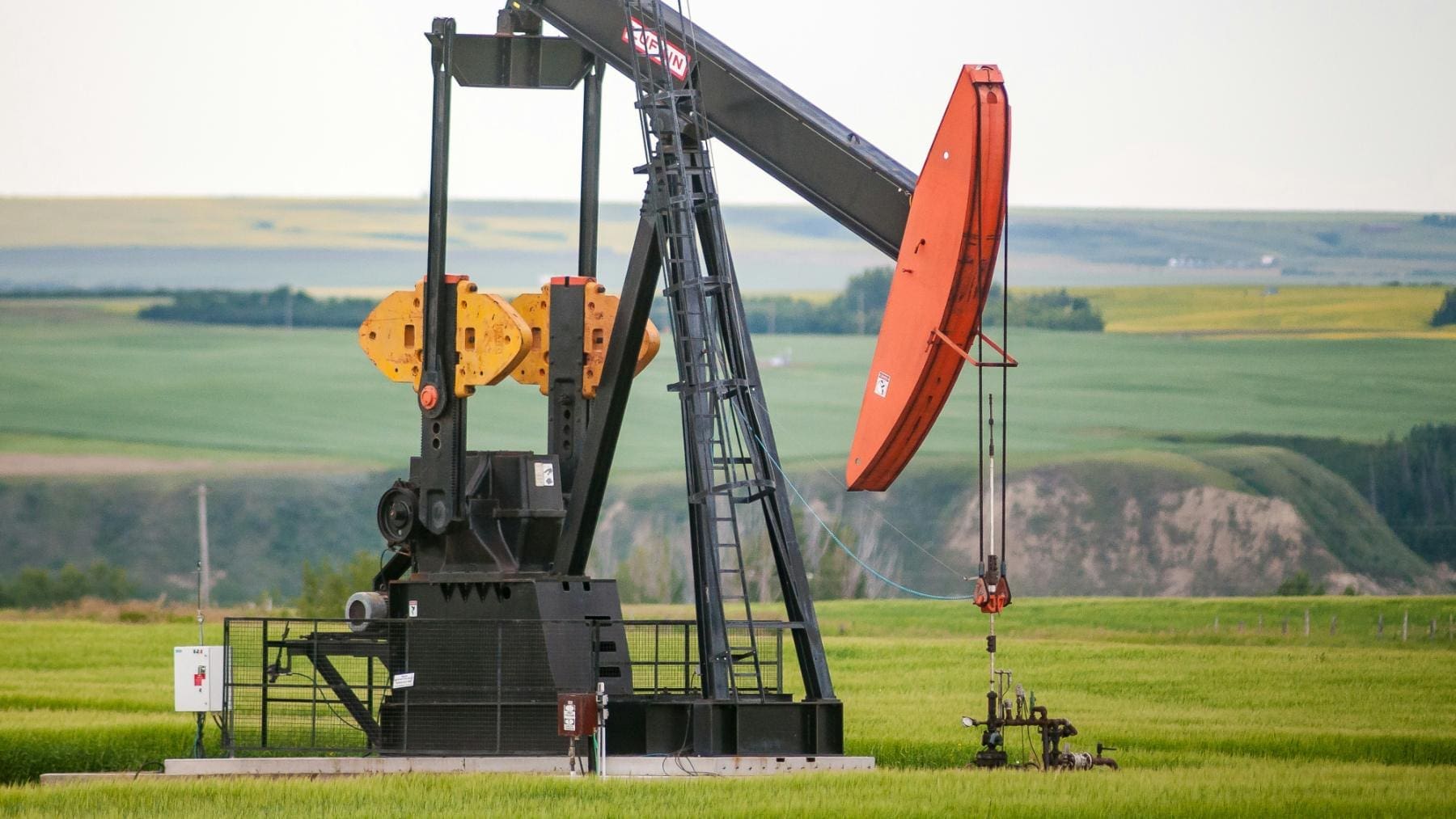
Deep inside an Alberta SAGD well, conditions are engineered — almost accidentally — to destroy equipment. Temperatures climb toward 250°C. Thermal swings of up to 140°C stress every component. Corrosive bitumen and dissolved gas do the rest. Electric submersible pumps routinely fail in this environment, pulling wells offline for two to three days at a time and costing operators upward of CAN $110,000 in deferred production and rig time.
One pump just kept running anyway — past the point where most fail, past precedent, past 1,000 continuous days.
An environment designed to destroy equipment
Steam-assisted gravity drainage has been a fixture of Alberta’s oil sands industry for more than two decades. The process injects high-pressure steam deep into bitumen-saturated formations, heating the heavy crude until it flows freely enough to reach surface. It works — and it’s extraordinarily hard on the equipment doing the lifting.
Gas avoidance technology is also built in, a critical feature where dissolved free gas can disrupt flow and cause pumps to lose prime at the worst possible moments.
Electric submersible pumps are the primary artificial lift method in SAGD wells, but the operating environment tests the limits of conventional engineering. Bottomhole temperatures can reach 250°C. Thermal cycles — the swings that occur as steam injection varies — can span 140°C in a single well. Add corrosion from bitumen chemistry, abrasion from sand and solids, and dissolved free gas that can cavitate and destabilize pump performance, and the picture becomes clear. Any one of these factors would challenge a standard ESP. Together, they create conditions the industry has largely accepted as unavoidable.
The financial consequences of that acceptance are real. When an ESP fails in a SAGD well, pulling and replacing it takes the well offline for two to three days — during which operators lose 500 to 1,000 barrels of oil per day in deferred production. Add rig time and associated costs, and a single pull event can exceed CAN $110,000. Across a mature operation running dozens of wells, those costs accumulate quickly.
Engineering a pump that refuses to quit
Summit ESP, a Halliburton service, developed the FireStorm extreme high-temperature pump system with one market in mind: SAGD. Rather than adapting an existing platform to tolerate harsh conditions, the engineering team built the system from the ground up to target the specific failure modes that make Alberta’s heavy oil wells so punishing.
The specifications reflect that intent. FireStorm is rated for bottomhole temperatures up to 250°C and designed to survive thermal cycles swinging up to 140°C — the kind of variation that fatigues materials, degrades seals, and eventually kills conventional pumps. Gas avoidance technology is also built in, a critical feature where dissolved free gas can disrupt flow and cause pumps to lose prime at the worst possible moments.
Every component is engineered to maximize steam-to-bitumen contact across all phases of production — from initial steam circulation through full production ramp-up, when flow rates and fluid compositions shift considerably. A pump that performs well early but struggles later creates operational problems that erode the economics of the entire well. Consistency across phases isn’t a bonus; it’s a design requirement.
Validation wasn’t left to field experience alone. All SAGD components undergo high-temperature horizontal well testing and two-phase gas loop testing at Halliburton’s research and technology center. A complete FireStorm ESP system was also independently verified through third-party testing conducted by C-FER Technologies at their Edmonton, Alberta facility — an organization that provides full-scale testing and specialized engineering consulting services. That external validation step matters because it separates performance claims from demonstrated, verifiable capability.
One thousand days and counting
The well in question was described by Halliburton as “incredibly challenging” — language that, in the typically understated world of oilfield engineering, carries real weight. Conditions were severe enough that the installation represented a genuine test of whether the FireStorm system could deliver on its design promises under actual SAGD operating stress.
It did. The FireStorm ESP reached 1,000 continuous days of operation — a milestone placing it at or near the upper end of typical ESP run-life for SAGD applications. Most pumps in comparable environments fail well before that threshold, triggering the costly pull-and-replace cycle that operators routinely budget for as a standard line item.
The financial impact was concrete. By avoiding the pulls that would otherwise have been required, the operator saved over CAN $110,000 in operating expenses and deferred production costs. That figure reflects direct savings from a single well over the run period — a meaningful return on the decision to deploy purpose-built, rigorously tested equipment rather than a conventional alternative. It also demonstrates that an ESP system engineered specifically for SAGD conditions can perform at a level the industry hasn’t historically expected from this class of equipment.
What this means for the future of heavy oil production
Run-life reliability tends to be underappreciated in conversations about oilfield technology. Operators focus heavily on initial performance — flow rates, efficiency, installation cost — and treat equipment failure as an operational variable to manage rather than an engineering problem to solve. The FireStorm milestone challenges that framing.
If a single well can save CAN $110,000 over a 1,000-day run, the arithmetic across a full oil sands operation becomes compelling. Alberta’s SAGD producers run large numbers of wells simultaneously, and the cumulative cost of short-run ESPs across a fleet represents a significant drag on operating economics. Fewer pulls means less rig time, less deferred production, and lower total lifting costs per barrel — a straightforward improvement to project economics that compounds across a large well count.
That calculus matters more now than it did a decade ago. Operators across unconventional production are under sustained pressure to cut costs without sacrificing output. Proven equipment longevity, in that environment, stops being a technical achievement and becomes a competitive differentiator with direct, measurable effects on project economics.
The 1,000-day run sets a new benchmark for SAGD artificial lift performance. Other ESP providers will likely measure themselves against it. Operators evaluating artificial lift strategies now have a concrete data point to reference — and as more wells are equipped with purpose-built, independently validated systems, the industry’s baseline expectations for what’s achievable in these demanding environments may quietly, and permanently, shift upward.
Daniel García is an Editor-in-Chief with strong expertise in structural work and engineering principles. He combines this technical foundation with deep knowledge of energy, spatial design, and emerging technologies, bringing a forward-thinking and analytical approach to editorial leadership.
