
How Renewables Can Help Avoid Grid Overload During Heat Waves
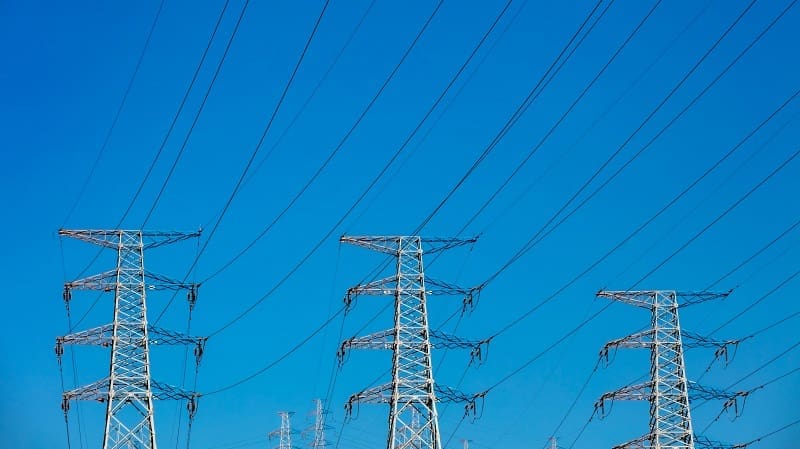
Grid modernization is one of the hottest topics in environmental advancement. The current grid is laden with aging technology prone to overheating as rising temperatures challenge its capabilities. Diverting pressure away from a transitioning grid needs renewables to circumvent the stress.
Advancing the Smart Grid
Renewable energy workers, builders and industry experts must publicize the necessity of smart technologies to save the grid during heat waves. Incorporating the Internet of Things into infrastructure provides constant data flow and encourages the digitalization of renewable energy systems. The renewable energy workforce makes decisions from the machine learning hardware to perform:
- Emergency or scheduled maintenance.
- Parts replacements.
- Process discovery.
- Placing energy allotments and caps.
- Automated energy audits.
- Power redistributions.
Energy experts compare data from regular use against how heat waves alter analytics. If someone sees an area generating too much power while another is underserved, the smart grid redirects resources while keeping surpluses in battery storage.
Incoming data informs power plants that are contributing back to the smart grid with renewable energy, giving them a kickback for helping energy stability.
National grid smart tech synergizes with individual smart home resources. Smart thermostats and HVAC systems that consider cooling load automatically provide data on the activity.
Smart programs incentivize citizens to become energy generators, too. The extra power creation is critical for keeping lights on during heat wave power surges.
Creating Distributed Energy Systems
Distributed energy resources (DERs) include rooftop solar, hydrogen fuel cells, grid battery storage and electric vehicles, to name a few. DERs can be residential households, corporate data centers and everything in between.
Incoming data informs power plants that are contributing back to the smart grid with renewable energy, giving them a kickback for helping energy stability.
This structure is called “demand response,” providing real-time interactivity between customers and power plants to moderate use and avoid blackouts. In California, a single text message saved 2,000 megawatts of power in 30 minutes amid a heat wave.
The point of DERs is to diversify energy aggregation, reduce grid strain and minimize costs for consumers. If citizens contribute to the greater good while a heat wave rages on, they can help prevent outages and overloads on infrastructure.
Assessing Resource Adequacy
Renewables only work with the grid with planning, so organizations analyze electricity needs to determine capacities and trends. The National Electric Reliability Corporation is the leading body in the United States, executing the summer reliability assessment yearly.
The report reveals how to manage resource adequacy, which is a framework requiring an electric provider to pay power plants for how much electricity capacity it offers households. In California, for example, assessing resource adequacy is essential because it measures three conditions:
- System capacity: Describes peak time requirements by assessing statistics from heat waves and adding 15% to capacity to allot for spikes.
- Local capacity: Explores potential emergency situations, such as power lines falling, and creates a strategy to keep local capacity alive based on the region’s most likely worst-case scenario.
- Flexible capacity: Analyzes evening energy use when renewable energy generation slows and ensures adequate power supply.
Examining these statistics informs grid operators which power plants are most essential and how well renewable infrastructure performs. Energy workers easily visualize the impacts of downtime during offline maintenance, but resource adequacy helps preparation. The constant awareness of grid performance directly ties into energy resilience.
Leveling the Grid Back to Normal
Incorporating renewables distributes power equally across the grid, mainly during heat waves that fossil fuel power plants cannot handle. A renewable-compatible grid considers natural disasters and inconsistent weather patterns more than current resources because it is inherent to the design. Combining renewables with smart technologies and independent energy generators forges a grid capable of enduring a heat wave with minimal disruptions.
