
Key Wearable Technology Trends in Oil and Gas Industry
Wearable technology is expected to be the next big consumer trend, with its impact similar to that of the smartphone, according to GlobalData, a leading data and analytics company.
The company’s latest report ‘Wearable Tech in Oil & Gas – Thematic Research’ forecasts wearable technologies to have a significant impact in certain areas and industries.
Listed below are the key application areas of wearable tech in the oil and gas industry over the next two to three years, as identified by GlobalData.
This is particularly useful in case of gas leakage or accidents for detecting if the technician is responsive or unconscious and deploying immediate rescue measures.
Real-time monitoring and inspection
A major aspect of wearable technology is to maintain equipment and inspect signs of failure to minimize downtime. The failure of major equipment may cost millions to a company, considering production downtime and repair/replacement expenses. In case of critical issues, field technicians require expert’s help. Bringing experts from onshore offices to the offshore fields located thousands of miles away increases the overall expenses.
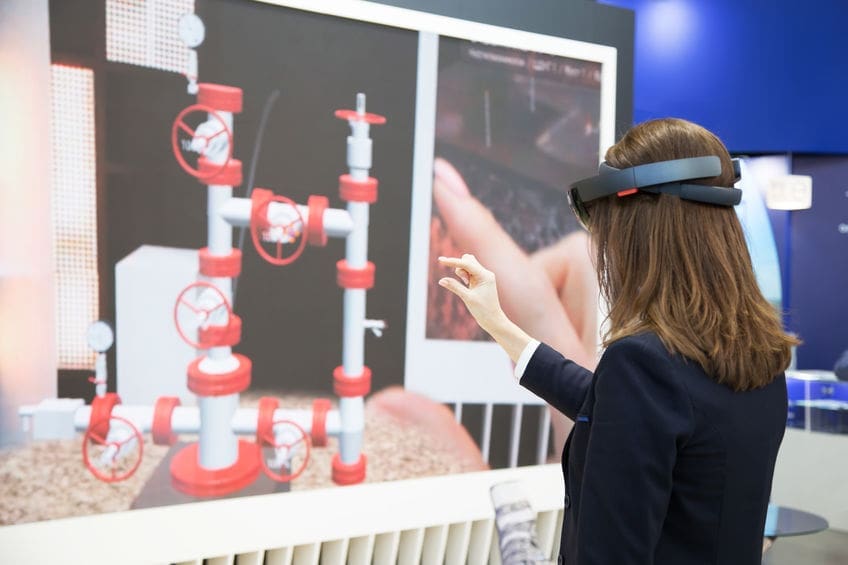
Wearable technology, such as smart glasses or smart helmets could be useful solutions for reducing time and cost of inspection and repairing of equipment by providing relevant data, schematics, maps, charts and other related information to the field engineer to conduct maintenance of the equipment. Using wireless connectivity, the field engineer can also receive expert’s guidance on a real-time basis, thereby reducing the need to have an expert available on field at all times.
Workforce safety and injury prevention
Minimizing workplace injury is one of the most important aspects of wearable technology. In oil fields, a worker can be exposed to extreme temperatures, hazardous gases or harmful chemicals. In these challenging work conditions, wearable technologies can be employed to assess the health of the field technicians by monitoring heart rate, dehydration, and fatigue. These devices can also detect the presence of harmful gases in the surroundings and alert the workers.
Marathon Petroleum implemented Accenture Life Safety Solution across its refineries, to detect the presence of multiple hazardous gases using wearable technology. The wearable devices used in this solution are equipped with gas detection and alarm generation capabilities.
Resource tracking
Wearable technology can be used to efficiently track the workforce during field operations. Using location-based technologies and wireless connectivity, the device can feed real-time location of the worker to the onshore monitoring center. The resource tracking service can help increase productivity.
Further, in case of an emergency situation such as oil or gas leakage, resource tracking can identify a particular resource near the area and quickly deploy them for recovery from the unforeseen event. The wearable devices can also be used for geo-fencing in oil fields or plants to keep the workers away from hazardous areas.
Emergency response
Wearable devices with location-based technology could help locate resources during an emergency evacuation. Using Wi-Fi triangulation method, the technology could identify the exact location of the workers and could provide the same to the centralized monitoring system. Pre-identified location of the workers could facilitate quick rescue during an emergency.
Wearable devices with motion sensors can also be used to monitor the physical movement and posture of field technicians. This is particularly useful in case of gas leakage or accidents for detecting if the technician is responsive or unconscious and deploying immediate rescue measures.
On the job training
Wearable devices coupled with AR/VR technology can facilitate training programs on newly installed equipment or a newly adopted work process. Using the smart glass or smart helmet, the workers could receive on-the-job training from remotely located experts, thereby reducing the cost of organizing training programs. Over-the-shoulder training could help workers learn during the job while eliminating the need to travel to the training centers.
Transportation of workforce
Transporting the workforce from onshore locations to offshore rig is one of the major activities where utmost safety needs to be in place. In order to make a safe landing in a harsh offshore environment, helmet-mounted display is becoming essential for pilots over the years. Enhanced Flight Vision System (EFVS) provides situational awareness to the pilot even in low-visibility conditions.
