
Kinetics breaks ground on high-capacity FSRU LNGT Karadeniz at Seatrium’s Singapore shipyard
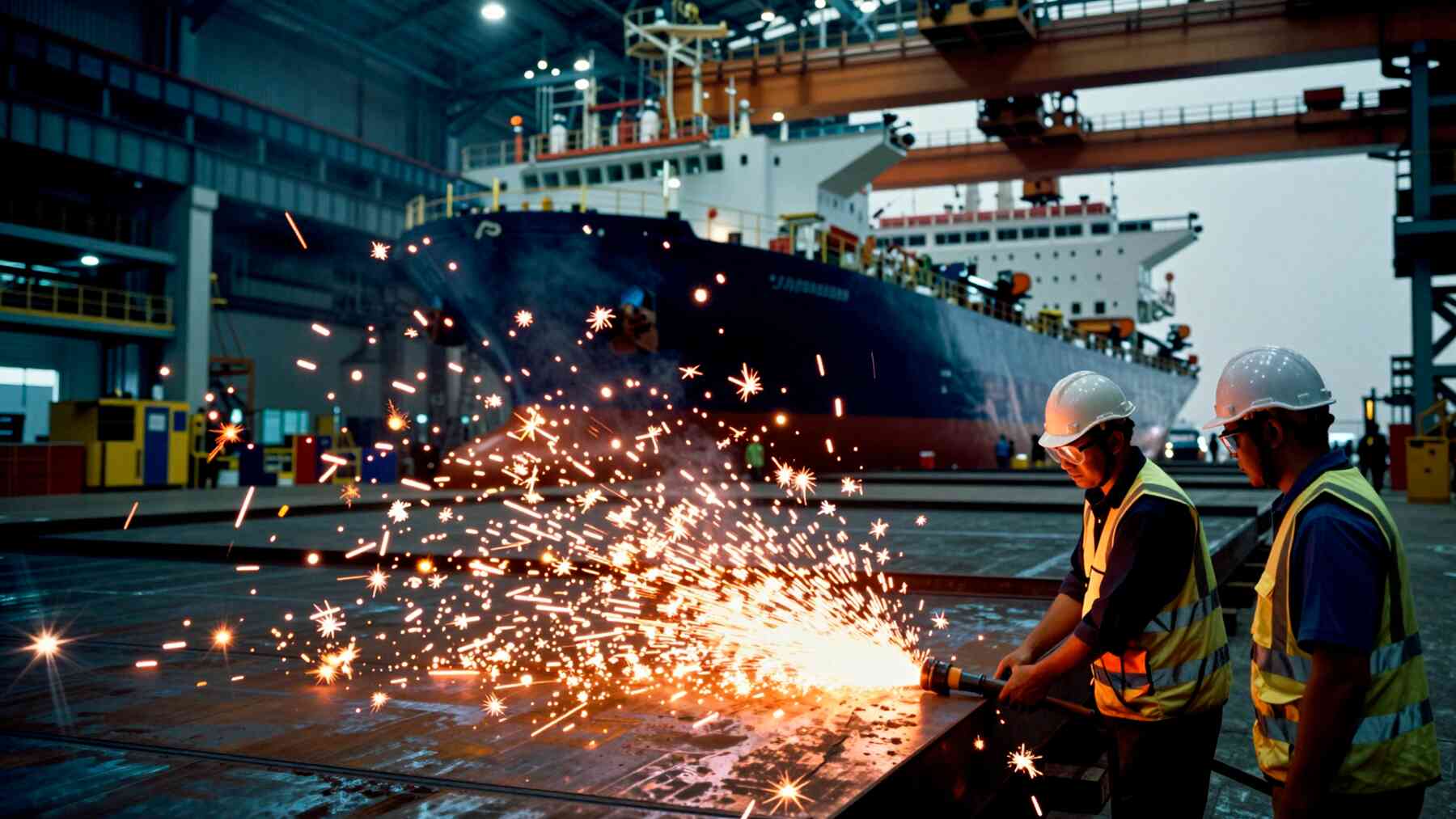 AI-made
Steel met torch in Singapore this week as Kinetics officially broke ground on LNGT Karadeniz, its first high-capacity floating storage and regasification unit. The steel-cutting ceremony, held at Seatrium’s Tuas Boulevard Yard, marks the start of construction on a vessel designed to deliver up to 600 million ft³/d of regasification capacity — putting it among the most powerful FSRUs under development right now.
A steel-cutting ceremony marks construction start in Singapore
The steel-cutting ceremony at Seatrium’s Tuas Boulevard Yard wasn’t just a photo op. In shipbuilding, this moment is the formal trigger that turns engineering drawings into physical reality — and for Kinetics, it means LNGT Karadeniz has crossed from planning into production.
Singapore’s shipbuilding sector has long served as a hub for complex offshore and marine construction. Seatrium operates the Tuas Boulevard Yard there, and that combination of location and expertise makes it a natural fit for a project of this scale and technical ambition.
FSRUs at this performance level involve a genuine step up in engineering complexity, and reaching the steel-cutting stage confirms the project is moving on schedule.
LNGT Karadeniz is Kinetics’ first high-capacity FSRU. That distinction carries weight. FSRUs at this performance level involve a genuine step up in engineering complexity, and reaching the steel-cutting stage confirms the project is moving on schedule.
Kinetics expands floating LNG fleet with next-generation assets
LNGT Karadeniz isn’t a one-off. Kinetics describes the vessel as the first in a planned series of next-generation FSRUs—a deliberate push to grow its floating LNG portfolio with larger, more capable assets.
General Manager Mehmet Katmer framed the project around two converging priorities: energy security and the shift toward lower-carbon energy systems. “We are expanding our floating LNG fleet with next-generation assets that strengthen energy security while supporting the transition to lower-carbon energy systems,” he said.
That dual framing matters. Energy security has become a pressing concern for governments and utilities, particularly after disruptions to traditional gas supply chains in recent years. LNG delivered via flexible floating infrastructure offers one credible response to that problem.
Katmer also pointed to the long-term nature of Kinetics’ ambitions. This isn’t a reactive build—it’s part of a broader vision for floating LNG infrastructure the company intends to develop over time. LNGT Karadeniz is the opening move in a larger strategy.
LNGT Karadeniz to deliver 600 million ft³/d of regasification capacity
The headline spec is regasification capacity: up to 600 million ft³/d. That’s a substantial figure, positioning the vessel as a high-volume import solution capable of serving large-scale energy markets.
Regasification capacity determines how quickly an FSRU can convert liquefied natural gas back into its gaseous form for delivery into a pipeline or power grid. Higher capacity means more gas delivered faster — a critical factor for markets that depend on reliable, large-volume supply. The engineering demands that come with hitting those numbers are considerable.
Beyond raw throughput, the vessel is designed for fast deployment and operational flexibility. FSRUs can be repositioned and redeployed in ways fixed onshore terminals simply can’t. That adaptability sits at the core of the value proposition Kinetics is building here—serving both established LNG importers looking to expand throughput and emerging markets building new gas infrastructure from scratch.
Seatrium’s role and the broader FSRU market context
Kinetics didn’t choose Seatrium by chance. Katmer explicitly described the Singapore-based yard operator as “a trusted partner with whom we have successfully delivered numerous complex projects. ” When you’re building something as technically demanding as a high-capacity FSRU, that track record matters.
Seatrium’s Tuas Boulevard Yard brings the infrastructure and expertise needed to execute a build of this complexity. This project continues prior collaboration rather than initiating a new pairing from scratch—an established relationship, not an experiment.
The broader context is a global FSRU market that’s been gaining momentum for several years. Unlike land-based terminals, which require lengthy permitting and construction timelines, FSRUs can be deployed relatively fast and repositioned as market needs evolve. That flexibility has made them attractive during a period of energy market volatility, when supply security and diversification have moved to the top of the agenda for governments and utilities alike. Projects like LNGT Karadeniz reflect the growing appetite for floating regasification solutions that can respond to shifting demand at speed.
Kinetics’ first high-capacity FSRU
Construction on LNGT Karadeniz has officially begun. The steel-cutting ceremony at Seatrium’s Tuas Boulevard Yard in Singapore confirmed it — the vessel is Kinetics’ first high-capacity FSRU and will be capable of delivering up to 600 million ft³/d of regasification capacity.
It’s also the first in a planned series of next-generation FSRUs as Kinetics works to expand its floating LNG portfolio. General Manager Mehmet Katmer has tied the initiative to both energy security goals and the broader transition to lower-carbon energy systems. Seatrium serves as build partner, continuing an existing working relationship with Kinetics rather than starting fresh.
Taken together, the project reflects wider trends in the global LNG market, where demand for fast-deployment, flexible regasification infrastructure keeps growing.
Kelly is an experienced writer with 15 years of experience exploring the big stories that shape our world, from tech breakthroughs and space exploration to climate, energy, and the fascinating quirks of science. She has a talent for turning complex ideas into sharp, memorable insights that stay with readers long after they’ve finished reading.
