
Lightstar pushes a 3.5 MW Illinois community solar project forward, adding another shared-solar development to the state’s pipeline
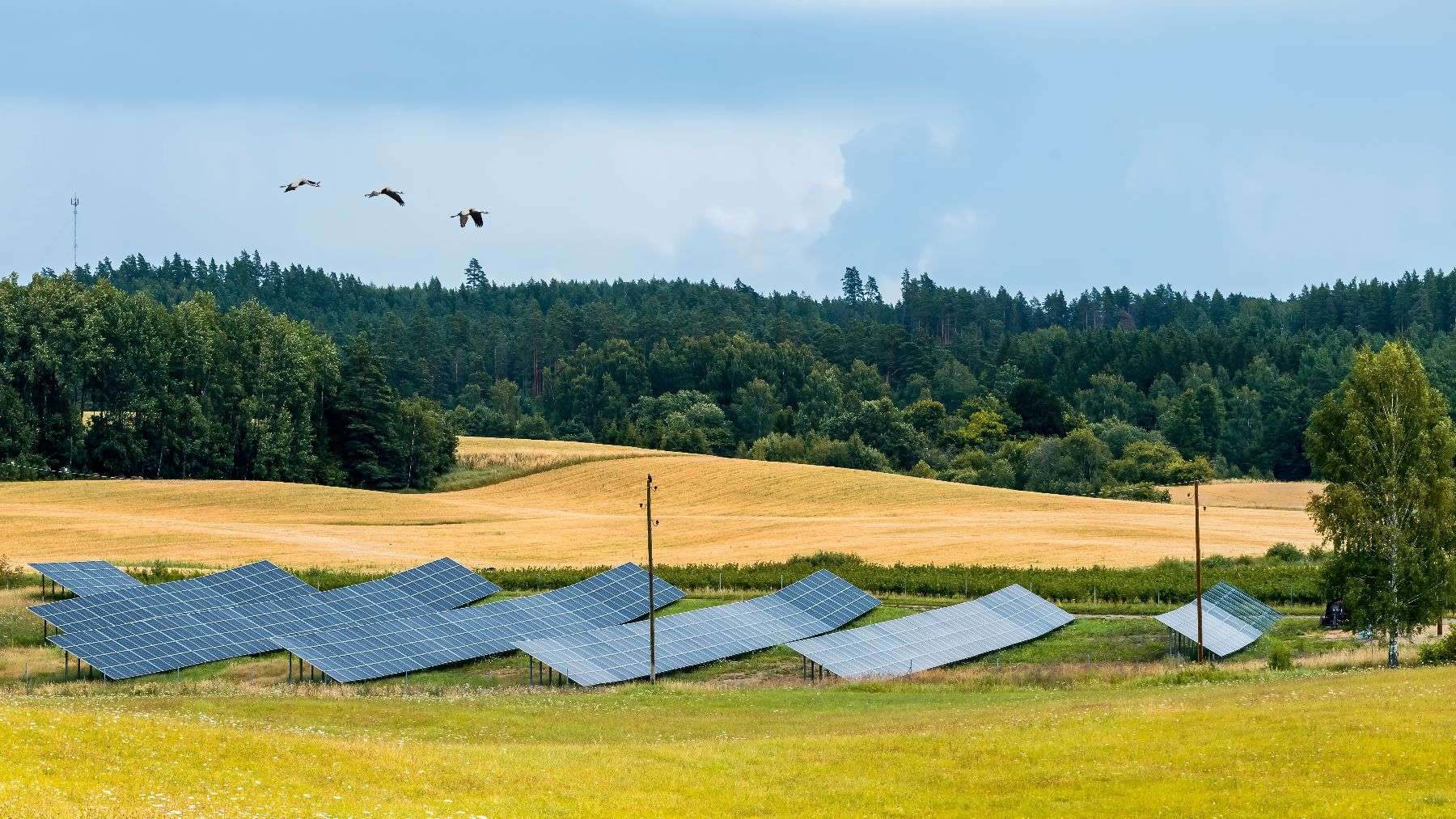
Solar energy projects have evolved massively from what they were in the past, mainly because of the freedom that developers have to use technology and science to their advantage. It is not surprising that various companies are deciding to let go of the traditional energy generation strategies and rely on the modern ones that lead to greater energy generation. Overall, the clean energy transition has been a huge positive for countries because it has created an environment where companies and developers recognize the true value of clean energy generation to preserve the Earth. Recently, Lightstar pushed a 3.5 MW Illinois community solar project forward, adding another shared-solar development to the state’s pipeline.
A record-breaking year: Lightstar aims to carry on its momentum into 2027
Lightstar is a trailblazing community solar developer founded on the principles of advanced design and strategic project development. Industry experts have long been looking at the company as being responsible for shaping future energy production in solar.
As an established American company, Lightstar is a trusted partner for landowners, focusing on community solar and agrivoltaics projects that preserve agricultural land while also generating clean energy. The company has displayed a commitment to establishing sustainable, high-value assets that complement local economies and farming legacies for many decades to come.
According to reports, the facility is expected to use single-axis trackers, which follow the sun throughout the day to maximize energy generation.
Lightstar pushes a 3.5 MW Illinois community solar project forward, adding another shared-solar
A recent press release from Lightstar Renewables announced the 2100th Ave Solar Project, a 3.5 MW AC (4.54 MW DC) community solar facility in Atlanta Township, Logan County, Illinois. Developed in partnership with a local landowner on an estimated 30 acres of privately owned agricultural land, the project is expected to participate in the Illinois community solar program, giving subscribers the chance to save an estimated 10% on their electricity costs while creating local jobs and generating new tax revenue for Logan County.
This model of solar energy initiatives is becoming an integral part of the modern solar landscape as it allows people who cannot afford solar panels to still use clean energy from community solar facilities. Illinois is one of the most active clean energy markets in the Midwest, driven by the Climate and Equitable Jobs Act (CEJA) and its target of 100% clean energy by 2050.
Nonetheless, the focus for the United States remains on diversifying the clean energy portfolio of every state and ensuring that there is a consistent energy supply for many more years to come. The Illinois Shines Adjustable Block Program, the Clean and Reliable Grid Affordability Act (CRGA), and 2026 statewide energy storage legislation continue to expand opportunities for community solar, co-located projects, and battery storage.
Lightstar assesses every Illinois project for eligibility under these programs, an experience that has made the company among the state’s most trusted partners for landowners considering community solar, agrivoltaics, or battery storage on their property.
Breaking down the features of the 2100th Ave Solar: Community project
The community solar project is essential for Lightstar’s overall portfolio, considering that it is the latest addition to the company. It follows other key projects that were brought to Illinois, including the U.S. Highway 136 Solar project in Fulton County. The site in Atlanta Township was selected for its strong grid connectivity, favorable environmental conditions, agricultural zoning, and a landowner dedicated to putting his land to productive use.
Looking ahead: Is Lightstar considering the option to expand beyond Illinois?
The project does not include battery storage, so power generated at the site will flow directly into the local distribution grid and serve the community in Logan County. Lightstar aims to hire local installers and electricians during the construction phase, and the facility will generate tax revenue that complements county services and infrastructure for decades.
According to reports, the facility is expected to use single-axis trackers, which follow the sun throughout the day to maximize energy generation. It will be covered with livestock-style fencing that blends into the surrounding agricultural landscape.
Prince is a versatile writer focused on energy, automotive, environmental, and general news topics. He makes complex technical and policy issues clear, engaging, and accessible for a broad audience.
