
Lightstar secures local agreement for 4.95 MW Illinois agrivoltaic project
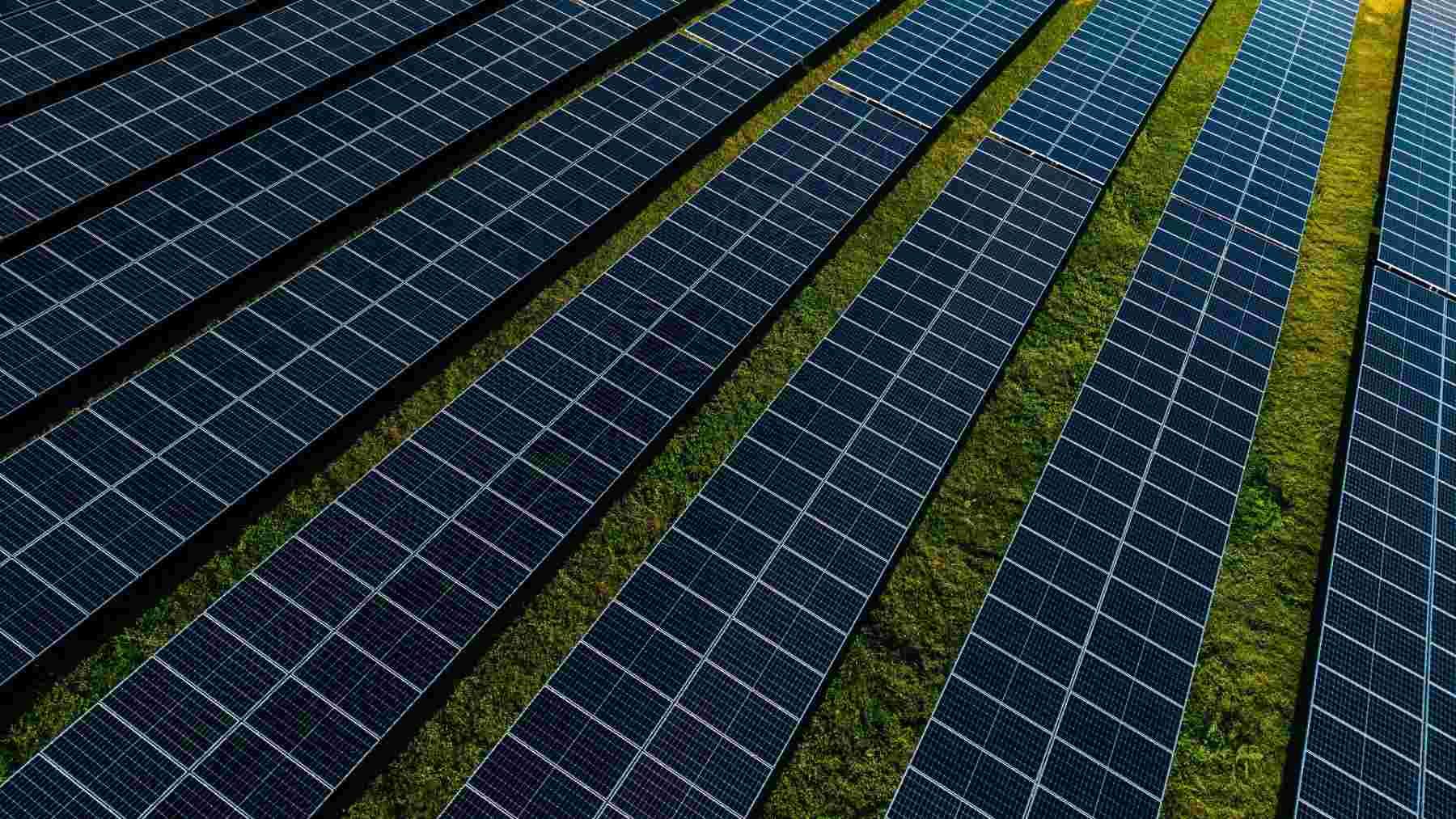
As technology continues to influence energy projects, developers have the freedom to experiment and come up with the most sophisticated facilities that would not be possible through traditional approaches. The United States is a country that possesses a tremendous amount of wealth and resources, which positions it to influence or set a new standard for what a successful energy project looks like. Companies are aware of the position that the nation holds and are doing their best to ensure that the U.S. remains a well-respected energy-producing country. On that note, Lightstar secured local agreement for a 4.95 MW Illinois agrivoltaic project.
Analyzing Lightstar’s growing influence in the solar energy industry
The solar energy sector is not short on competition when it comes to the companies that are pushing boundaries and aiming to be the first companies executing a first-of-a-kind energy project. One of these companies is Lightstar, a trailblazing community solar developer that was founded on the principles of advanced design and strategic project development.
The company prides itself on representing the United States solar sector, but it is falling behind Asian powerhouses like China and Japan at the moment. It has attained a good reputation over the years, being a trusted partner for landowners, focusing on community solar and agrivoltaics projects that preserve agricultural land while generating energy.
For Paxton, that means the Baltimore Drive Solar Project will pay property taxes directly to the city, supporting the local tax base and city services for decades.
Pushing boundaries: Lightstar secures local agreement for Illinois agrivoltaic project
Lightstar is a company that has shown a huge dedication to developing sustainable, high-value assets that support local economies and farming legacies for decades to come. A press release from Lightstar revealed that the Paxton City Council has approved an annexation agreement clearing the way for the Baltimore Drive Solar Project, a 4.95 MW AC community solar facility on an estimated 35 acres of privately owned land in Paxton, Ford County, Illinois.
The general population usually only gets to enjoy the benefits of projects after completion without necessarily being aware of the rigorous steps that occur before a company can even begin building a facility. The project is planned as an agrivoltaic site, with hay grown and harvested alongside the solar panels.
The terms of the agreement indicate that the site is set to become part of the City of Paxton, which is massive for the general population, as it is set to receive an abundance of new electricity. The project will participate in the Illinois community solar program, giving residents, businesses, and public entities the opportunity to save roughly 10% on their electricity costs.
Community solar programs have grown in popularity in the last few years, which is reflective of how much the government is determined to get the U.S. population to use clean energy. Lightstar and the city are also looking to enter a community benefits agreement that includes additional contributions from the company to Paxton.
Breaking down the significance of the project being situated in Paxton
Paxton City Council’s approval of the annexation agreement means that the project site becomes part of the city of Paxton. Annexation means the city has the full right to take jurisdiction over land that was previously unincorporated. For Paxton, that means the Baltimore Drive Solar Project will pay property taxes directly to the city, supporting the local tax base and city services for decades.
A future outlook: Delving deeper into how the facility is expected to operate
The three reasons why the Baltimore Drive site was chosen are as follows: strong interconnection to the local grid, an interested landowner, and a location between Interstate 57 and a manufacturing facility, set apart from nearby homes.
The facility is expected to use single-axis trackers, which follow the sun throughout the day to maximize energy production, with a maximum height of 12 feet. It is designed as a dual-use project and will be enclosed with livestock-style fencing that fits the surrounding agricultural landscape. The project does not include battery storage, so the power generated will flow directly into the local distribution grid.

Prince is a versatile writer focused on energy, automotive, environmental, and general news topics. He makes complex technical and policy issues clear, engaging, and accessible for a broad audience.
