
Mantle8 secured $36 million to commercialize a technology that finds naturally occurring hydrogen reservoirs deep beneath the Earth’s surface
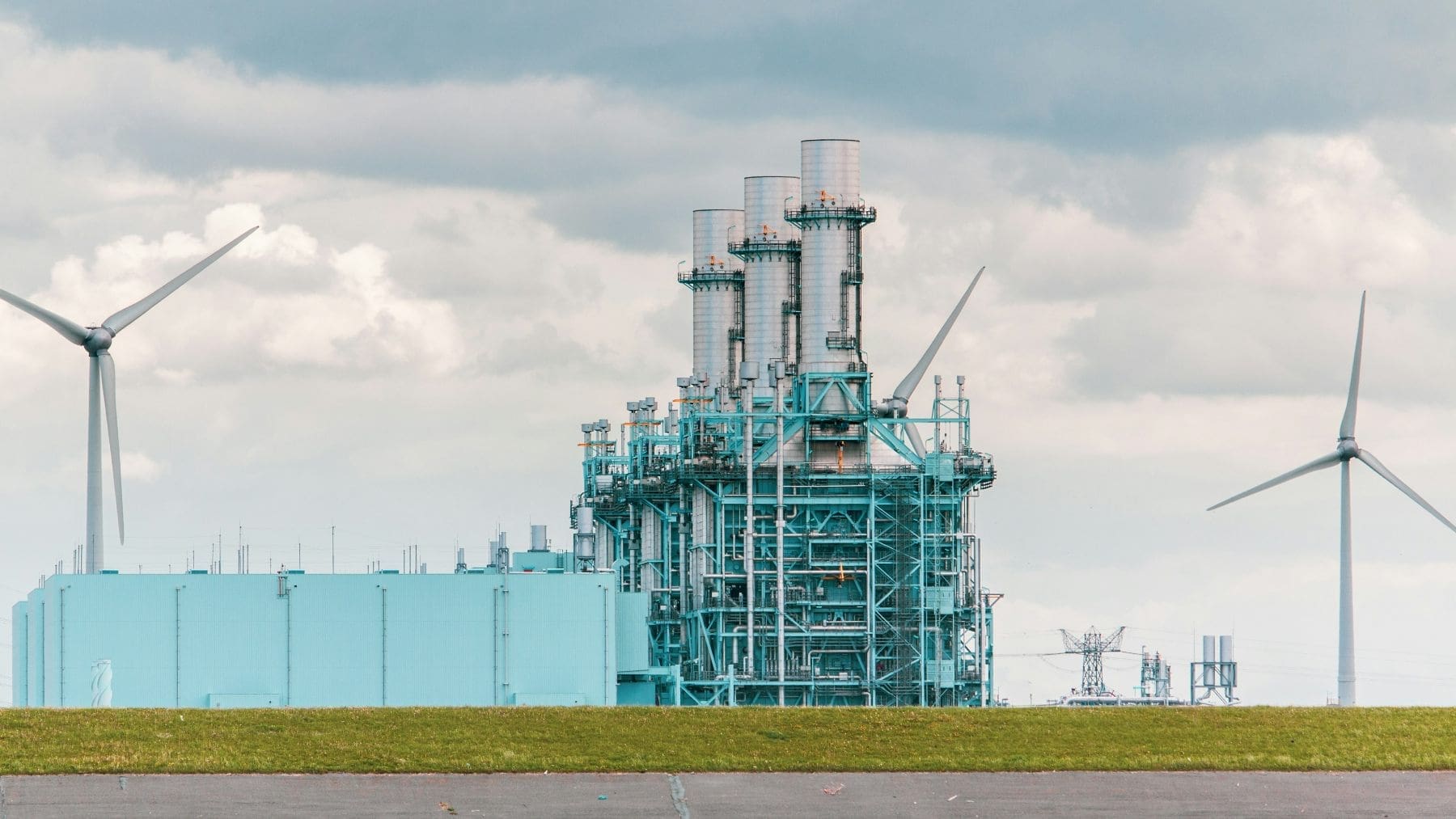
Beneath the Earth’s surface, vast reservoirs of hydrogen may have been quietly accumulating for millions of years — formed through natural geological processes, untouched by industry, and largely unexplored. The scale of what could lie underground remains an open question, but for a world still producing most of its hydrogen by burning fossil fuels, the prospect of tapping a cleaner, ready-made source is hard to ignore. A French startup thinks it knows how to find it.
A $36 million bet on what lies beneath
Mantle8 has announced a €31 million Series A funding round — roughly $36 million — earmarked for scaling and commercializing its natural hydrogen exploration platform. The raise is a concrete signal that investor confidence in naturally occurring, or “gold,” hydrogen is growing beyond theoretical interest into something approaching commercial seriousness.
Founded in 2018 by Emmanuel Masini, who serves as CEO, the company is headquartered in France. Its core mission is straightforward in concept, if not in execution: develop the technology to locate hydrogen that already exists underground and figure out how to get it out. For a sector that has long struggled to attract serious capital, a raise of this size marks a meaningful moment.
Whether natural hydrogen can deliver at scale will depend on what the Earth actually holds — and whether the tools now under development can reliably find it.
Why hydrogen matters — and why the current supply is a problem
Hydrogen holds a well-established role in the clean energy transition, particularly for sectors where electrification is difficult or impractical. Heavy industry, long-haul freight, and certain chemical processes are areas where wind and solar face real limitations — and where hydrogen is widely regarded as one of the more viable low-emission alternatives.
Current hydrogen use is substantial. Around 90 million metric tons are produced globally each year. The problem lies in how that hydrogen is made.
The vast majority comes from processing fossil fuels, generating significant greenhouse gas emissions and other pollutants. This so-called “grey” hydrogen dominates the market not because it’s clean, but because it’s cheap and well understood. The gap between hydrogen’s promise as a clean fuel and the emissions-heavy reality of its production remains one of the sector’s defining tensions — and one of the stronger arguments for finding a different source entirely.
What makes natural hydrogen different
Natural hydrogen doesn’t require an industrial process to exist. It forms through geological reactions — typically involving water and iron-rich rocks deep underground — and accumulates in subsurface reservoirs over geological timescales. No electrolysis, no steam methane reforming, no energy input required.
This distinguishes it from both grey hydrogen and green hydrogen, which is produced by using renewable electricity to split water molecules. Green hydrogen is genuinely low-emission, but the electrolysis process is energy-intensive and currently expensive. Natural hydrogen, if accessible in meaningful quantities, could offer a fundamentally different cost and carbon profile. The field is still emerging, and it lacks the exploration history and data infrastructure that oil and gas developed over more than a century — which is precisely the gap Mantle8 is working to close.
Mantle8’s technology: reading the Earth like a map
Mantle8’s platform centers on geoscience and advanced imaging technologies designed to detect and locate subsurface hydrogen reservoirs. The challenge isn’t simply finding hydrogen underground — it’s reducing the uncertainty and financial risk inherent in exploring geological terrain that remains poorly mapped.
The approach draws on methods familiar from oil and gas exploration, particularly seismic imaging techniques, adapted to the geological signatures associated with natural hydrogen. The analogy is instructive: the oil and gas industry spent decades refining tools to see beneath the Earth’s surface with increasing precision. Mantle8 is building a comparable capability, oriented toward hydrogen-specific geology. Scaling that technology is the primary use of the new funding — expanding the platform’s capabilities, applying it across more geographies, and building the evidence base needed to move from exploration toward extraction.
What comes next for the natural hydrogen sector
Mantle8’s Series A ranks among the most significant early-stage investments in the natural hydrogen space to date. It arrives as the sector transitions from scientific curiosity to commercial consideration — a shift that’s real, but one that leaves several consequential questions unresolved.
Chief among them: How large are these reservoirs, and can they be extracted economically? Geological evidence of natural hydrogen is promising, but evidence of accumulation isn’t the same as evidence of commercial viability. Reservoir size, purity, depth, and the engineering challenges of extraction all remain areas of active investigation.
Regulatory frameworks present another open frontier. Natural hydrogen doesn’t fit neatly into existing energy categories, and the rules governing its exploration, extraction, and certification are still being developed across most jurisdictions. That ambiguity adds a layer of risk that even well-funded exploration can’t fully resolve on its own.
Worth watching in the near term: exploration results from Mantle8 and other players in the space, potential partnerships with energy majors looking to diversify hydrogen supply chains, and whether any identified sites advance from discovery to production-stage development. The funding is in place. The technology is being built. Whether natural hydrogen can deliver at scale will depend on what the Earth actually holds — and whether the tools now under development can reliably find it.
Daniel García is an Editor-in-Chief with strong expertise in structural work and engineering principles. He combines this technical foundation with deep knowledge of energy, spatial design, and emerging technologies, bringing a forward-thinking and analytical approach to editorial leadership.
