
Maryland’s Conowingo Dam trucks shad and herring upstream while removing invasive fish before they can pass
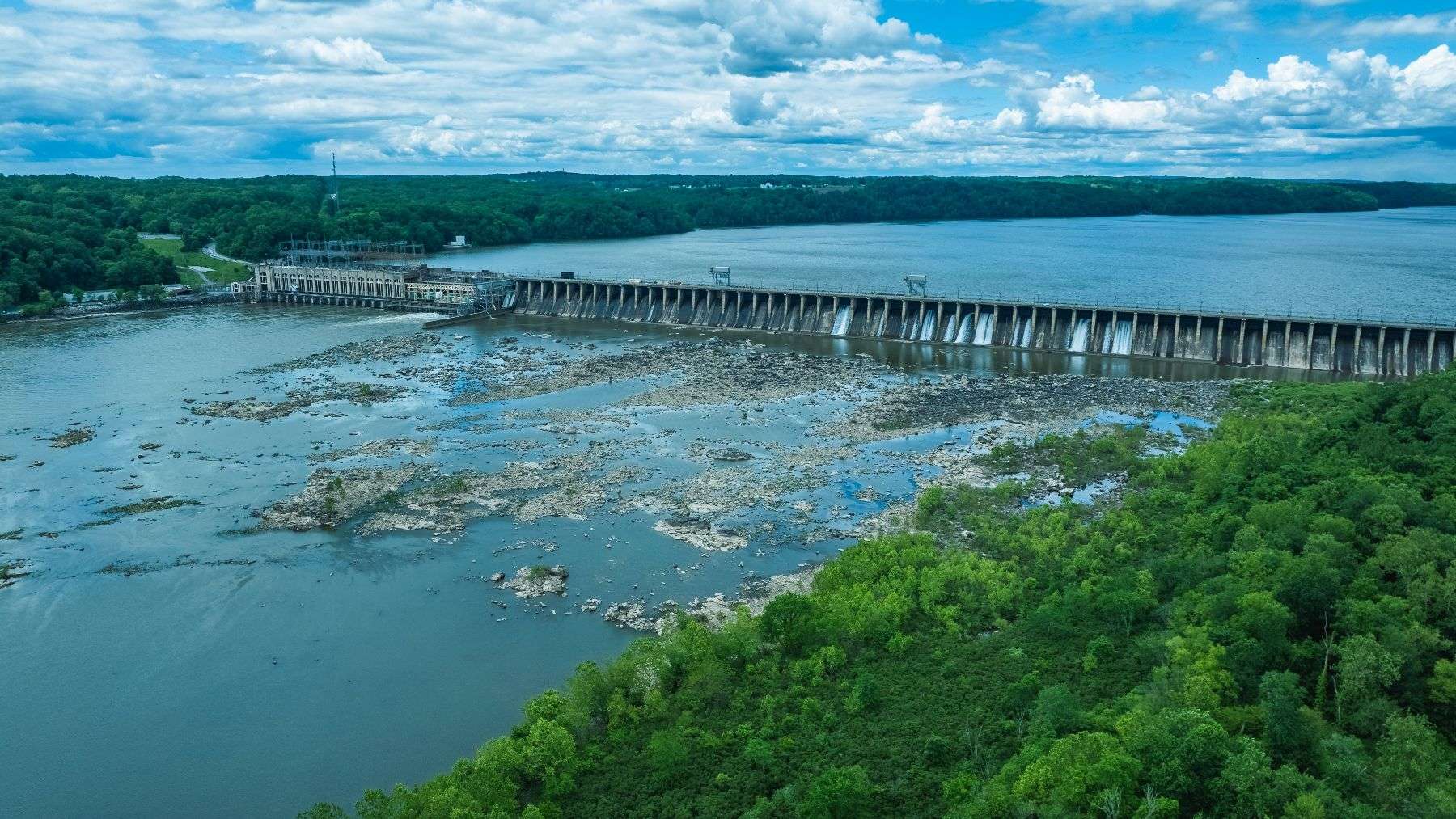
A dam can block a river, but it can also serve as an unexpected checkpoint for its protection. A seasonal operation on Maryland’s Susquehanna River aids native fish in their spawning migration.
However, not every fish caught will travel the same journey. The operation helps native species to move and controls the spread of invasive predators.
The challenge is ensuring the fish are correctly identified.
Another question from the larger Susquehanna restoration effort: How are conservation teams rebuilding American shad populations throughout the river basin?
How does it distinguish between the two?
A migration route blocked by dams
The Conowingo, Holtwood, Safe Harbor, and York Haven dams block this migration route.
These anadromous fish spend most of their lives in the sea, only returning to freshwater when it is time to breed. Dams can interrupt this natural journey, cutting off the connections between the ground and the places where they spawn.
Blueback herring, shad, and alewife are among the species that migrate upstream to reproduce in the upper Susquehanna River.
At Conwingo Dam, fish lifts help support them in making their journey. Flowing water guides the fish into collection channels, where crews catch, identify, and sort them before being release upstream
But there is a catch
Invasive fish from the lower river also get caught in the channels, putting pressure on the native species. Crews must therefore correctly identify fish species before deciding where they must go.
Why the fish need different journeys
The U.S. Fish & Wildlife Service collects, identifies, sorts, and counts the fish.
This supports native migration while preventing selected invasive species from moving upriver.
The scale of the issue became clear during the 2024 season, which ran from March to June.
But there is another side to this operation, and the numbers are hard to ignore.
According to Maryland’s Department of Natural Resources, they removed more than 18,000 pounds of invasive fish at Conowingo. Among them were northern snakehead, flathead catfish and blue catfish.
This is where the sorting process becomes important. It allows native fish to thrive and continue their journey while keeping the invasive species at bay.
Trucks transport native fish around the barriers
The odd thing about it is that American shad and river herring don’t just blast through the dam with the water. Staff sort and put these native fish into holding tanks.
They are then loaded onto trucks by crews in transport tanks that are filled with water.
Fish are stocked into spawning habitat above the Safe Harbour or York Haven dams. The truck transports native fish over barriers that would otherwise block their journey. Invasive fish are transported elsewhere.
Northern snakeheads, blue catfish, and flathead catfish are killed, not released upstream. The Maryland Department of Natural Resources said captured fish could be used for research or processed into food.
In a collaboration between the Maryland DNR, Constellation Energy, Normandeau Associates, and seafood wholesaler J.J. McDonnell, much of the catch was put to use.
Others were kept for outreach and scientific research.
The operation won’t eradicate all the invasive fish, but it will keep those that are caught from getting past the dam.
Conowingo is a good example of the difficulty in restoring migration routes and controlling invasive species.
Trucks assist shad and river herring swimming upstream, while sorting teams remove selected invasive fish. The same system that lets one group travel provides conservation teams the opportunity to stop another.
Another question from the larger Susquehanna restoration effort: How are conservation teams rebuilding American shad populations throughout the river basin?
The Maryland Conowingo project reveals how infrastructure becomes part of the solution by combining fish passage and invasive species control.
Conservation teams are giving native fish populations a better chance to recover
Sometimes, protecting a river means helping the right fish find their way home.

