
The DOE is releasing $430 million to modernize hundreds of aging American hydropower plants across the country
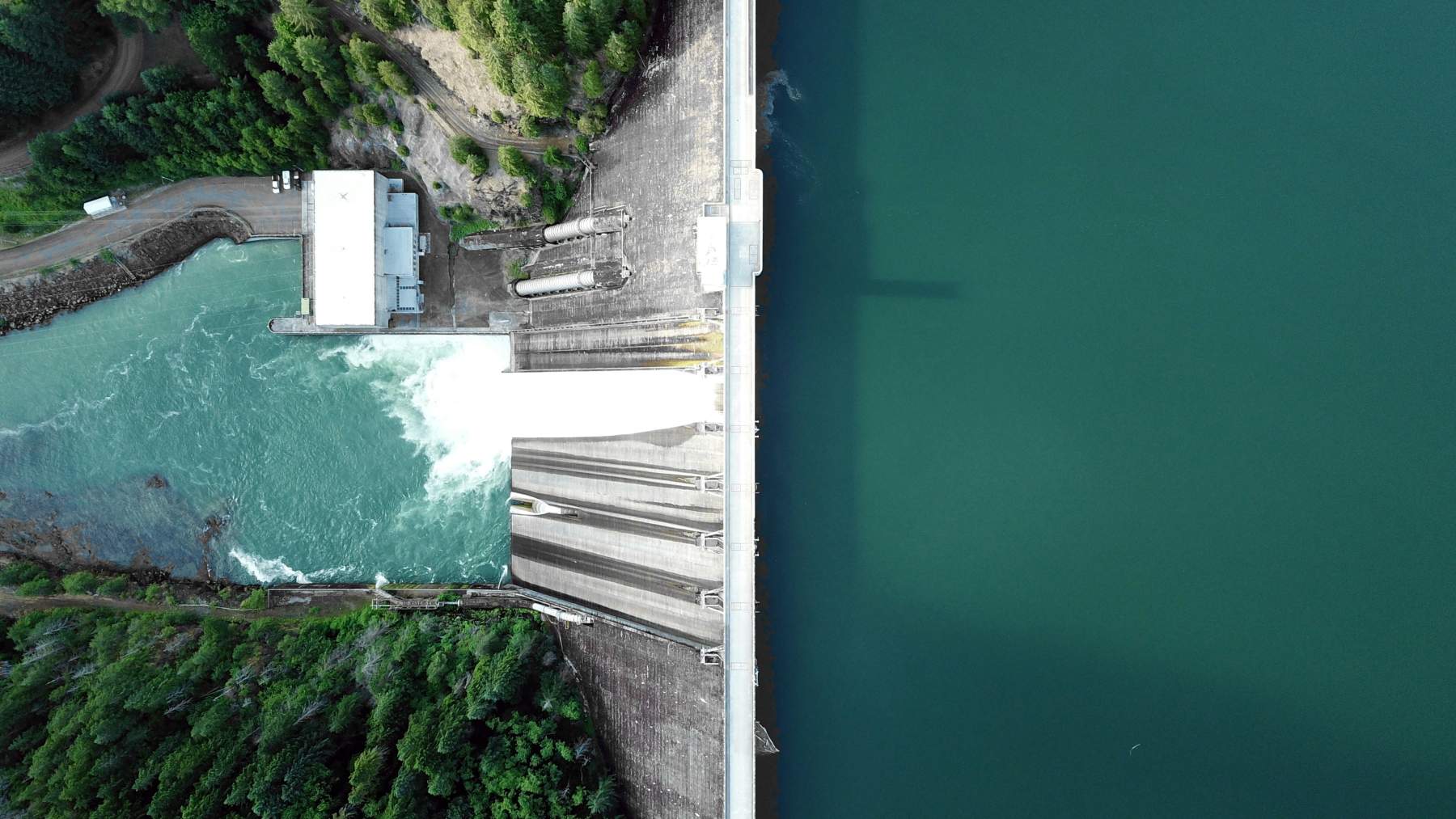
America’s hydropower fleet is easy to overlook — a quiet, largely invisible backbone of the national grid, its turbines spinning in dams built generations ago. Yet these aging plants still supply nearly 6% of all U.S. utility-scale electricity and account for an outsized 88% of the country’s utility-scale energy storage capacity.
Many of those facilities haven’t seen major upgrades in decades. The gap between the critical role they play and the condition of the infrastructure keeping them running has been growing — and it’s drawing federal attention.
A fleet built for another era
Most of America’s hydropower infrastructure was constructed in the mid-twentieth century — some plants even earlier. Built for a different grid, a different regulatory environment, and a different understanding of environmental responsibility, many of these facilities have kept operating with relatively modest maintenance investment. Hydropower’s low day-to-day operating costs have historically made it an attractive generation source, but that affordability doesn’t eliminate the need for capital investment in aging turbines, generators, and spillways.
Industry voices have been blunt about the urgency: facilities have been waiting on this funding for repairs that couldn’t be deferred indefinitely.
The numbers tell a clear story. Hydropower accounts for 5.86% of total U.S. utility-scale electricity generation — a modest share on its face, but one that carries disproportionate reliability value. More striking is the storage picture: pumped storage hydropower represents 88% of all utility-scale energy storage capacity in the country. When that infrastructure ages without adequate reinvestment, it isn’t just a generation problem — it becomes a grid stability problem.
What the $430 million will actually fund
The DOE’s Hydropower and Hydrokinetic Office — known as H2O — announced it will resume negotiations to issue nearly $430 million in payments to American hydropower facilities. The funding flows through the Maintaining and Enhancing Hydroelectricity Incentives program and covers 293 projects across 212 facilities, touching a significant portion of the country’s operating hydropower fleet.
Eligible improvements span a practical range of infrastructure needs: turbine and generator upgrades, spillway repairs, and work required to bring facilities into compliance with current state and federal regulatory requirements. These aren’t cosmetic fixes. They’re the kind of foundational investments that determine whether a plant can keep operating safely and efficiently for another generation.
The federal dollars aren’t designed to carry the full load alone. Combined with private contributions from each participating facility, the $430 million is expected to catalyze a total of $2.8 billion in hydropower investment nationwide — a leverage ratio that reflects how federal incentive programs are designed to work, unlocking private capital at scale.
Beyond electricity: fish passage and dam safety
The funding priorities extend well beyond kilowatt-hours. Fish passage improvements are explicitly part of the mandate, addressing one of the most persistent environmental criticisms of hydropower dams. Many older facilities were built before modern fish passage requirements existed, and retrofitting them is both technically complex and expensive — federal support makes those projects financially viable in ways they otherwise wouldn’t be.
Dam safety is equally central. Hydropower operators carry a dual responsibility: generating electricity and protecting the communities downstream. Aging infrastructure raises the stakes on both counts. Spillway failures and structural deterioration don’t just threaten power output; they can endanger lives and property far beyond the plant itself.
Grid resiliency improvements round out the program’s priorities. The link between individual facility health and broader energy reliability is direct — a modernized hydropower fleet is a more dependable one, capable of responding to grid demands with the consistency that storage and dispatchable generation require. Industry voices have been blunt about the urgency: facilities have been waiting on this funding for repairs that couldn’t be deferred indefinitely.
Industry response and the road ahead
The National Hydropower Association responded with clear relief. President and CEO Malcolm Woolf credited DOE leadership — specifically Secretary Wright, Deputy Secretary Danly, and Assistant Secretary Robertson — for reviving a funding process that had stalled. His statement pointed to concrete outcomes: improved hydropower reliability, better fish passage, and stronger dam safety across the fleet.
Assistant Secretary Audrey Robertson framed the investment in broader terms, describing American hydropower as “a key component of this Administration’s vision for an affordable, reliable energy system.” That language signals something beyond a one-time infrastructure outlay — it positions hydropower modernization as part of a sustained federal energy strategy.
H2O will begin processing applications for the 293 projects and expects to start distributing payments within months. Facilities that have deferred maintenance while waiting for funding clarity can now begin scheduling work. For some plants, modernization could meaningfully extend operational lifespans that might otherwise be cut short by deterioration or the mounting cost of emergency repairs.
The longer arc here is worth watching. America’s hydropower fleet isn’t going to be rebuilt overnight, and $430 million — even leveraged to $2.8 billion — won’t resolve every aging infrastructure challenge at every facility. But the resumption of this funding marks a meaningful step in a gradual shift: from treating hydropower as a legacy asset requiring minimal attention, to recognizing it as a critical pillar of the modern grid that demands sustained, proactive investment. Whether future funding rounds follow will determine whether these plants are ready for the decades ahead.

Carlos is an engineer with strong expertise in technical and industrial topics. He previously worked at international companies such as Siemens and is multilingual.
