
Oman moves ahead with plans to expand oil transport and storage infrastructure across midstream network
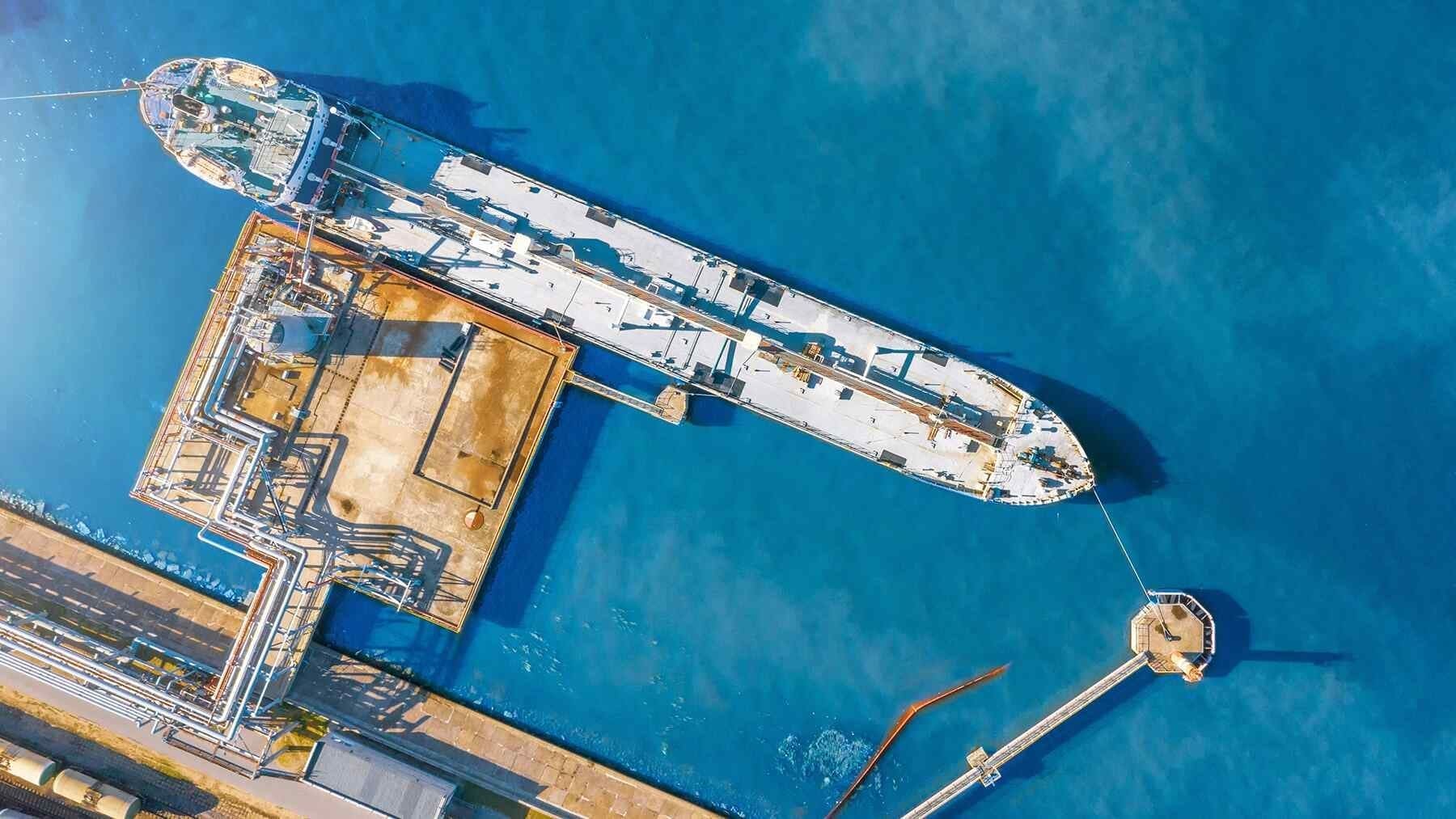
Oil production receives most of the media’s attention; however, the true test occurs after the volume has been extracted. The movement of crude oil, safe storage, and alignment of flow with demand typically occur out of sight. An updated view of the industry places those aspects into the spotlight and creates an opportunity to question whether Oman’s midstream network will develop rapidly enough to meet what is next.
Setting the pace with the supporting infrastructure
Oman’s oil and gas industry includes assets that sit between production sites and end consumers, including pipelines, storage facilities, refineries, and export terminals.
Together, these assets function as a single system that determines how quickly products move from the wellhead to market and how much they cost to deliver. When viewed as a whole, this midstream infrastructure represents the core of Oman’s oil and gas value stream.
If the mid-stream facility lacks adequate capacity to move and hold volumes when foreign markets are receptive, then export opportunities can be lost immediately.
Each element of the midstream network, including pipelines, storage facilities, and terminal infrastructure, can become a source of bottlenecks when capacity does not expand in line with demand. Even when overall production remains constant, constraints in transportation or storage can create significant logistical challenges in moving volumes from the wellhead to end consumers across the network.
How does demand test transport and storage capacity
Recent analysis points to numerous trends relating to crude oil, natural gas, gasoline, diesel, and fuel oil supplies and demand. However, it specifically highlights how consumption of each type of product is occurring domestically versus its export potential. When the trends in consumer demand begin to vary significantly, so does the amount of pressure on transport routes and storage facilities.
When products such as liquefied natural gas (LNG) and refined petroleum products require precision timing along with sufficient capacity, then logistics become just as important as producing them. If the mid-stream facility lacks adequate capacity to move and hold volumes when foreign markets are receptive, then export opportunities can be lost immediately.
The study identifies regional imbalances that indicate that growth in specific areas can create stress upon systems that were originally developed for other types of product flows. This mismatch adds additional pressure on planners who need to provide flexibility within their plans while avoiding building too many assets that may eventually remain unused.
Planning for investment, expansion, and execution
Planned projects in sectors, including refining, LNG terminal construction, storage capacity upgrades, and gas processing facilities, comprise the primary component of Oman’s midstream development strategy. Instead of representing a large-scale build-out of new capacity, the outlook represents mid-stream expansion as a series of strategically focused investments that enhance the effectiveness of volumes moving through the system.
Each project aims to transform production into a deliverable supply stream by increasing optionality regarding routing, storage, and processing capabilities. Therefore, expanding mid-stream development is primarily based on creating improved system reliability and responsiveness.
Although the report recognizes potential risks that could affect timelines or outcomes, geopolitical uncertainty, regulatory requirements, environmental concerns, and general economic conditions all contribute to defining how quickly projects come online. Ultimately, execution – not intention – defines whether new capacity produces expected results.
While Omani midstream developments may not always produce readily apparent increases in output levels, their influence is evident in terms of providing reliable means to transport, store, and position volumes for domestic consumption or export in response to changing market conditions.
Performance over production
As attention continues to transition away from increased production toward effective performance of the midstream system, the “quiet” efforts made by midstream development will continue to play a central role. These efforts are key to sustaining Omani participation in both local and international energy markets over time.
