
Ocean Renewable Power Company moves forward with expansion of river-based hydropower projects across the United States
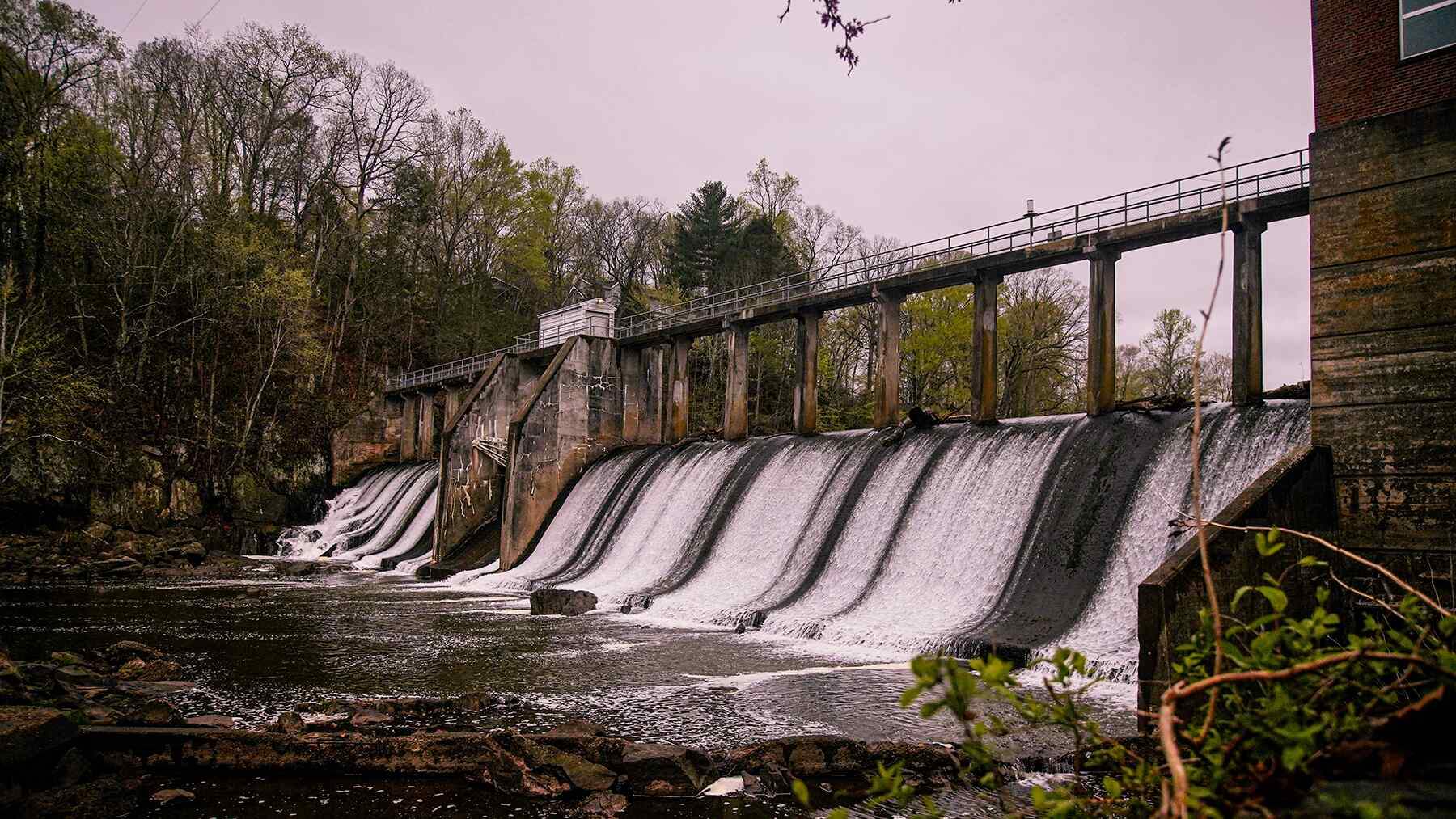
Rivers run through many cities and industrial corridors with virtually no consideration given to their potential as an energy resource within existing infrastructure systems. As the nation’s demand for electricity grows and increasing stress is placed on aging grids, that quiet, constant motion is beginning to attract a new type of expansion attention from planners and energy developers alike.
Rivers were never intended to generate electricity
Rather than treating rivers as systems designed for power generation, Ocean Renewable Power Company has focused on minimizing disruption and ensuring maximum reliability. Their river-based system has been operating in Alaska and coastal Maine for several years, producing reliable electricity for communities with few alternatives for generating electricity.
Navigation routes remained unobstructed; ecosystems functioned normally; the landscape on top of the water was left undisturbed. ORPC’s systems differ fundamentally from traditional hydroelectric power, which often necessitates damming or creating reservoirs. In contrast, ORPC’s river-based systems operate completely submerged at the bottom of the riverbed and utilize natural currents.
Growing demand for electricity will continue to be fueled by increased population density, expanding industrial base, and the growth of data-driven infrastructure.
From the surface of the water, nothing unusual appears to be happening, which is exactly what makes this method appealing. Because the system remains invisible, the river continues to serve as a transportation route, wildlife habitat, and place of cultural significance, while gradually being redefined as a flowing environment capable of quietly providing electricity.
Increasing demand for electricity in the Great Lakes region
Growing demand for electricity will continue to be fueled by increased population density, expanding industrial base, and the growth of data-driven infrastructure. Consequently, power distribution grids throughout the region are coming under increasing pressure to provide additional amounts of electricity to consumers closer to where they need it.
Many of the rivers within the region pass through densely populated urban‑industrial corridors. One such example is the St. Lawrence River. Estimates indicate that portions of the river could potentially support between 60 and 90 megawatts of energy generation using submerged river systems.
While the potential generation capacity may seem modest when compared to larger-scale hydroelectric systems, its value resides elsewhere. Energy generated locally puts less strain on transmission networks and provides a predictable source of electricity independent of weather conditions. When evaluating generation opportunities for planners, consistency and proximity are becoming increasingly significant.
Despite these advantages, expansion faces significant challenges. In the U.S., hydroelectric projects are subject to rigorous permitting requirements, particularly in shared and navigable waters, with approval processes that can take years. These delays have become one of the main barriers to broader adoption of river‑based generation, despite its relatively limited physical impact.
What expansion reveals about hydropower’s future
Against this backdrop, Ocean Renewable Power Company is currently finalizing plans for its first urban installation in the St. Lawrence River. This will consist of two submerged units located below an active river corridor, a marked difference from ORPC’s prior installations in remote locations.
In this context, rivers are no longer treated as passive surroundings for energy infrastructure, but as active elements within it. The absence of visible surface structures minimizes visual impact and reduces conflicts related to land use, both significant advantages for urban applications.
This shift is notable because it requires no major changes to existing waterways or surrounding infrastructure. Rather than adapting cities to energy production, river-based systems adapt generation to environments that are already heavily used and regulated, helping explain why expansion is now moving closer to urban centers.
When rivers become part of the energy system
River‑based hydropower reflects a broader shift toward distributed energy models that emphasize resilience and local supply, particularly in regions seeking alternatives to large, centralized generation. As this technology moves into urban waterways, it points to a quieter transformation in how energy infrastructure is designed, sited, and integrated into existing environments.
