
PetroNor reports highest crude lifting volumes from upstream portfolio in April operational update
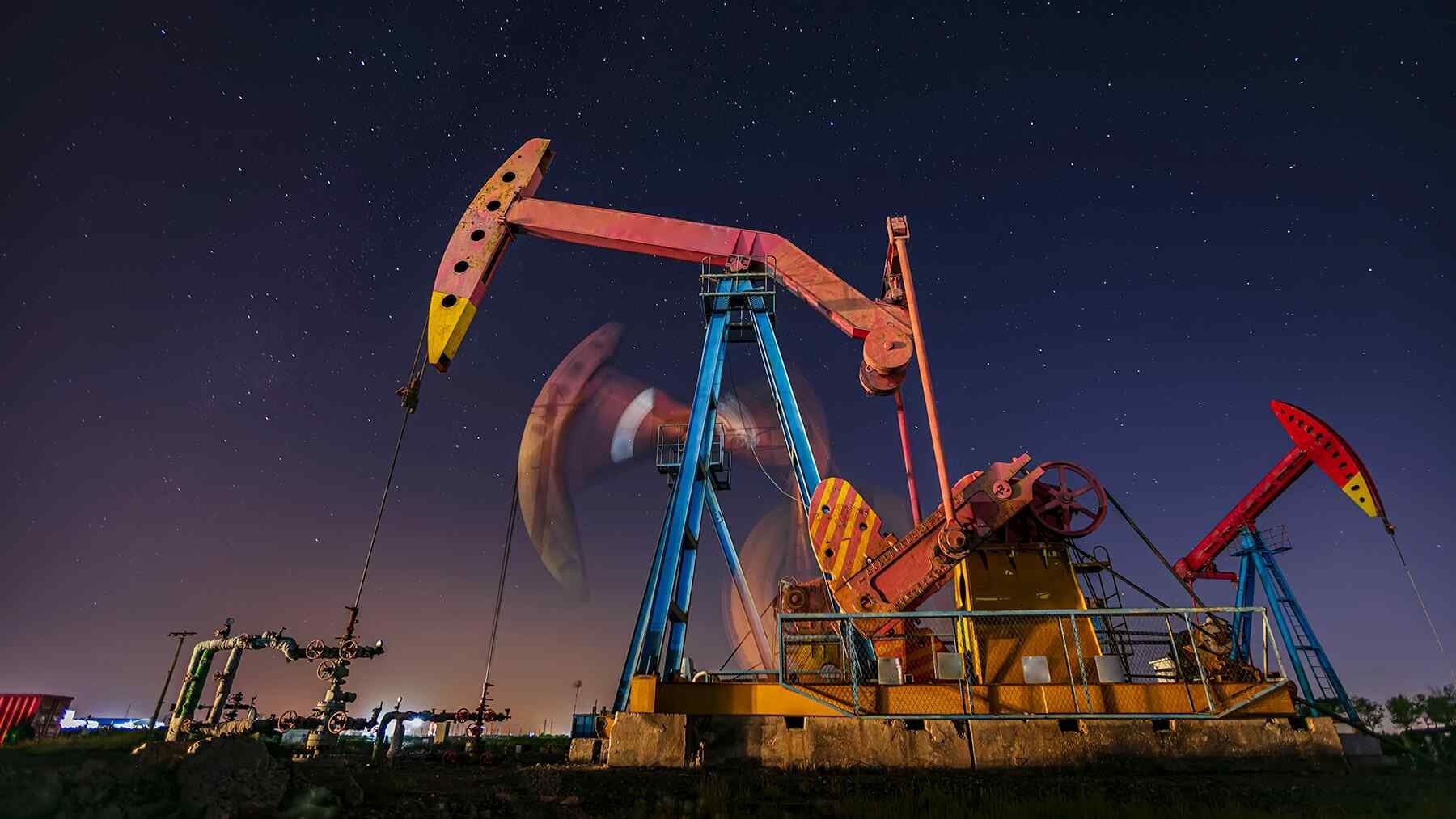
On the surface, most reports regarding oil production seem fairly straightforward and uneventful. That is exactly the case in PetroNor’s recent report. What makes this report different is that production recovery and timing have combined and become more clearly evident in this instance.
Restoring operational stability following disruption
PetroNor E&P ASA is currently focusing all of its upstream efforts in the Republic of Congo in its PNGF Sud Field. The PNGF Sud Field was experiencing a recovery phase after suffering a temporary reduction in production due to issues related to infrastructure. These issues resulted in fewer available wells for production.
According to PetroNor, they averaged 4711 barrels of oil per day (net) during Q1-2026. This increased production occurred after the temporary infrastructure shutdown caused by the loss of access to a major portion of their wells for approximately two weeks in February. Full restoration of operations was achieved in March.
Therefore, it appears that PetroNor was able to remove technical limitations and allow the natural performance of the reservoirs to continue without constraint.
When production was restored to normal, PetroNor saw improvements in the operational stability of the field. Thus, by the close of the quarter, PetroNor reported that gross production capacity exceeded 31,000 barrels per day. Therefore, it appears that PetroNor was able to remove technical limitations and allow the natural performance of the reservoirs to continue without constraint.
Despite an increase in reported production quantities, these numbers do not provide a complete picture of how much of the oil being produced is being realized in terms of revenue. Timing factors associated with selling oil via lifting operations need to be considered to understand overall performance.
Timing differences between producing oil and selling it begin to shrink
Oil companies involved in offshore production typically do not sell their crude oil continuously as it is produced. Therefore, sales reported by oil companies can vary based on timing rather than actual rates of production. This means that during certain periods, production recoveries may show increases prior to realizations of sales revenues, especially if operational conditions improve while export schedules have not yet caught up.
As PetroNor recovered from various operational challenges with PNGF Sud, so too did this discrepancy decrease. Improved consistency in production, combined with better logistical planning, allowed for greater synchronization between production rates and the delivery of products.
Conditions for increased export activity existed as the second quarter commenced. A combination of increasing production, stabilized well performance, and improved communication among PetroNor personnel contributed to stronger operational execution and improved overall field performance during the period under review.
Record lifting confirms strengthened operational performance
This alignment was clearly evident in mid-April when PetroNor successfully executed a crude lifting between April 6th and April 8th totaling 964,593 barrels of entitlement oil, representing the largest single lifting in company history. Included in the total quantity lifted was an overlift exceeding 500,000 barrels.
Although an overlift does not represent an additional amount of petroleum, it signifies PetroNor’s ability to manage timing discrepancies between production and sales. An overlift enables the company to generate revenue from petroleum prior to receiving entitlement payments or other forms of compensation for those same petroleum deliveries.
The significance of the April lifting extends beyond the sheer volume of petroleum delivered; it also serves as evidence of PetroNor’s capability to quickly achieve operational efficiency and realize value from that efficiency, as evidenced by the timely realization of revenue.
When viewed collectively, the report demonstrates how the performance of upstream operations is influenced by three separate areas, including the rate of production, timing considerations (such as scheduling and coordination), and execution related to exports. The April 2026 lifting illustrates PetroNor’s performance under stable conditions, where improved production levels are more directly reflected in sales revenue outcomes.
