
Phillips 66 sweeps six AFPM safety awards as two of its facilities claim the organization’s highest honor
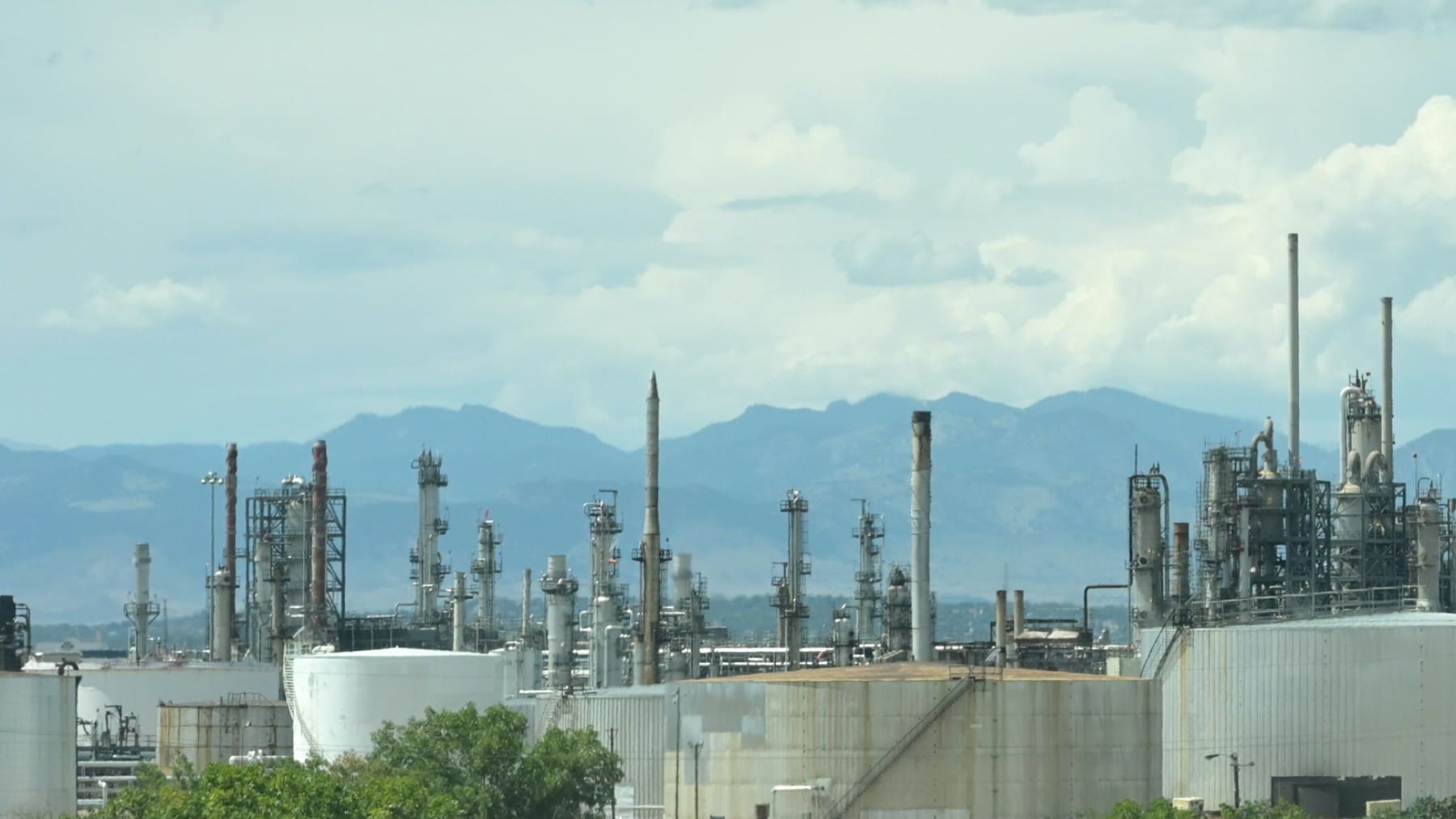
Each year, the American Fuel & Petrochemical Manufacturers benchmarks safety performance across the fuel and petrochemical industry — and the competition is steep. This cycle, Phillips 66 stood out, earning six recognitions spanning multiple award tiers and several of its facilities across the country.
Two of those sites reached the top of the rankings entirely, claiming AFPM’s highest honor. The breadth of the sweep points to something beyond a single strong year at a single location.
What the AFPM Safety Awards actually measure
The American Fuel & Petrochemical Manufacturers’ Annual Safety Awards are among the most recognized benchmarks in the fuel and petrochemical industry for occupational and process safety performance. They aren’t participation trophies — rankings are competitive, and placement within them reflects measurable outcomes across both day-to-day workplace safety and broader process safety leadership.
It’s earned one job at a time and strengthened through the daily focus of employees across our sites and a shared commitment to protecting one another.”
The award structure is tiered. Elite Silver recognizes facilities performing in the industry’s top 10%. Elite Gold narrows that to the top 5%. Above those sit Elite Platinum and, at the very top, the Distinguished Safety Award — reserved for facilities demonstrating the highest levels of safety performance and leadership the organization recognizes.
That hierarchy matters. Moving up even one tier represents a meaningful improvement in how a facility manages risk, protects its workforce, and sustains operational discipline. Earning the top honor isn’t a one-time event — it reflects a sustained track record that peers across the industry are measured against.
The six facilities and what they won
Phillips 66’s six recognized facilities span the western and central United States, covering nearly every level of the AFPM’s competitive hierarchy.
At the top, both the Ponca City Refinery in Oklahoma and the Rodeo Renewable Energy Complex in California earned the Distinguished Safety Award — the AFPM’s highest honor. Ponca City also received the Innovation Award for Occupational Safety, while Rodeo earned an Innovation Award Honorable Mention in the same category. Two sites claiming the organization’s top recognition in a single cycle is notable on its own.
The remaining four facilities landed across the tiers below. Ferndale Refinery in Washington and Lake Charles Refinery in Louisiana both reached Elite Platinum. Billings Refinery in Montana earned Elite Gold, placing it in the industry’s top 5%. The Los Angeles Refinery rounded out the group with an Elite Silver Award, recognizing top-10% performance.
Taken together, the six recognitions touch every major tier of the AFPM’s safety rankings — from top 10% all the way to the highest honor available.
The culture driving consistent safety performance
Results like these don’t emerge from a single initiative or a strong quarter. Phillips 66 VP of Global HSE & Compliance Karen Albrecht put it plainly: “Safe, reliable performance doesn’t happen by chance. It’s earned one job at a time and strengthened through the daily focus of employees across our sites and a shared commitment to protecting one another.”
That framing — one job at a time — points to something specific about how safety culture actually functions at the operational level. It isn’t driven primarily by policy documents or executive mandates. It’s built through repeated decisions made by workers and contractors in the field, across shifts, across sites, and across years.
Contractors are explicitly part of that picture. Phillips 66 has emphasized that both employees and contractors contribute to the safety outcomes reflected in these awards — which matters, because contract workers often represent a significant share of the labor force at large industrial facilities, and integrating them into a shared safety culture is a genuine operational challenge.
Sustaining top-tier performance across multiple facilities — each with its own operational profile and workforce — also requires ongoing refinement rather than a fixed approach. The breadth of this year’s recognitions suggests those practices are taking hold consistently, not just at one standout location.
Why industry safety recognition matters beyond the trophy
Safety awards are easy to dismiss as internal milestones — meaningful to the people who earned them, but disconnected from broader significance. That reading underestimates what top-tier rankings actually signal.
At the facility level, strong safety performance and operational reliability tend to move together. A workforce that operates with consistent discipline around safety catches problems early, reduces unplanned downtime, and maintains the kind of process integrity that keeps complex energy infrastructure running. The awards reflect that underlying operational health.
The range of facilities recognized this year adds another layer. Ponca City is a traditional petroleum refinery. Rodeo is a renewable energy complex — a facility operating at the intersection of the energy industry’s past and its emerging future. Both earned the AFPM’s highest honor. That overlap suggests Phillips 66’s safety culture isn’t siloed within one type of operation; it’s transferring into new contexts as the company’s asset base evolves.
For workers, contractors, regulators, and the communities surrounding these facilities, top-tier safety rankings communicate consistency. They signal that the people operating these sites are held to high standards and meeting them — not occasionally, but reliably enough to rank among the best in the industry year after year.
That consistency is what distinguishes a safety culture from a safety program. Programs can be launched and quietly shelved. Culture, when it’s working, shows up in the data — and, in this case, in the awards that follow.

Carlos is an engineer with strong expertise in technical and industrial topics. He previously worked at international companies such as Siemens and is multilingual.
