
RWE completes installation of first offshore wind turbine featuring recyclable blade technology
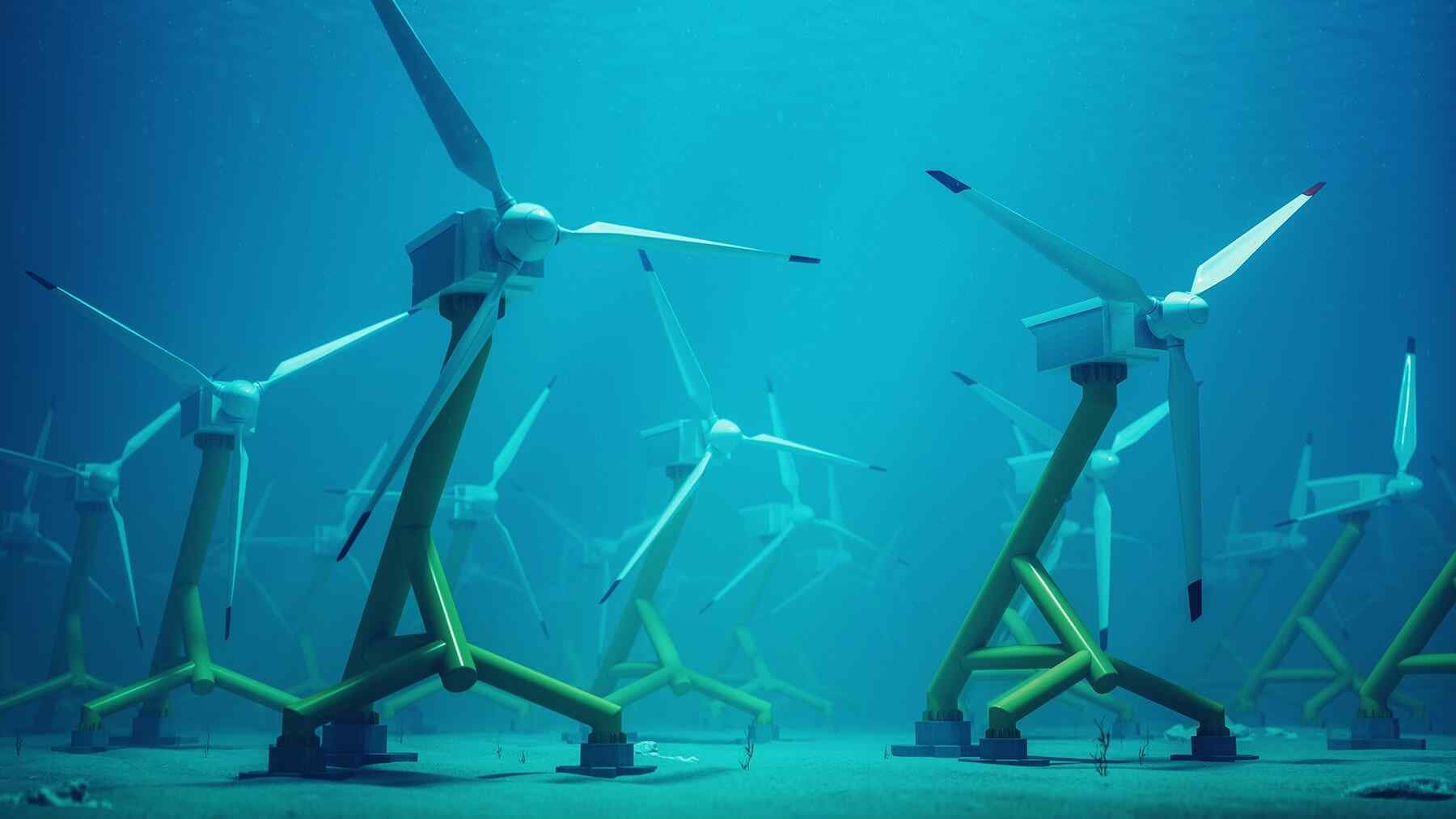
European countries are effectively collaborating to deliver the most groundbreaking wind initiatives that will assist the continent in reaching its clean energy objectives. Interestingly, there are some companies that have consistently featured in 2026, showing not just the amount of wealth and resources that they possess but also the commitment to managing multiple initiatives at once. The United States is under pressure to overcome the uncertainty surrounding its wind energy sector because there are countries like Germany that are after its position as the second-largest wind producer in the world. Among the entities leading that charge is RWE, which has completed the installation of the first offshore wind turbine featuring recyclable blade technology.
Assessing the tremendous activity of RWE in the 2026 wind energy landscape
RWE deserves full credit and recognition for taking advantage of the availability of technological innovation that allows developers to execute ambitious projects. The company hails from Germany, which is the biggest wind energy-producing country in the entirety of Europe. In 2025, Germany installed 5.7 GW of new capacity.
As a company that was founded in 1898, RWE is accustomed to being at the heart of captivating initiatives. RWE continues to make massive strides after news broke that it has reached a major milestone in offshore wind innovation with the installation of the world’s first turbine equipped with recyclable rotor blade technology.
With the oversaturation of companies in the contemporary energy landscape, every company desires to be the first to bring a certain component, and RWE is in that position.
Reviewing the first-of-its-kind recyclable rotor blade technology in wind facilities
RWE has made a tremendous breakthrough, which is part of the Thor offshore wind farm off the west coast of Denmark, a country that is well respected in the wind energy sector of Europe, as it leads Germany in certain aspects. When a new addition to the wind energy sector is made, there are always question marks regarding its timing. In this instance, the development displays a shift toward more sustainable wind energy infrastructure.
By combining recyclable materials and low-carbon components, the project emphasizes the industry’s move toward circular economy principles. The installation displays a key step in transforming how renewable energy systems are built, used, and decommissioned.
The newly installed turbine is part of the 1.1 gigawatt Thor offshore wind farm, which is one of Denmark’s largest renewable energy projects. It will be officially completed in 2027 and is expected to generate enough electricity to power more than one million Danish households.
Delving deeper into the RWE’s first offshore wind turbine technology
RWE publicly announced that a total of 72 turbines, each with a capacity of up to 15 megawatts, will be deployed at the site. The installation process has already started, which is massive news for those anticipating the initiative’s completion. The Thor project is being developed in partnership with Norges Bank Investment Management. RWE’s role will be to lead construction and long-term operations.
At the heart of the innovation are recyclable rotor blades produced by Siemens Gamesa. These blades use a specialized resin that allows composite materials to be separated and reused at the end of their lifecycle.
Marc Becker, who is the Senior Vice President of Siemens Gamesa Offshore, stated the following:
“This world-first is about moving circularity from promise to practice. RecyclableBlade is designed to enable composite materials to be recovered and recycled, addressing a growing end of life challenge.”
Analyzing how RWE has evolved the global wind energy landscape
Traditional wind turbine blades are made from complex composite materials, making them very difficult to recycle. As such, this has caused landfills. However, the new design directly addresses this issue by enabling recovery of valuable materials for reuse in industries such as automotive manufacturing and consumer goods.
The turbine also possesses a GreenerTower constructed from steel produced with at least 63% lower carbon emissions. Europe continues to deliver captivating projects in 2026.
Prince is a versatile writer focused on energy, automotive, environmental, and general news topics. He makes complex technical and policy issues clear, engaging, and accessible for a broad audience.
