
North Cascades dams commit to salmon passage while supplying 20% of Seattle City Light’s electricity
It’s rare for Indian Tribes and the U.S. government to reach an agreement.
However, earlier this year, Seattle Mayor Katie B. Wilson brought together the Tribes, state and federal agencies. Together, they signed a historic agreement about the North Cascades dams.
The agreement is set to shape the future of one of Seattle’s most important sources of renewable energy.
They will continue to prioritize flood risk management, updating their protocols when necessary to protect people, farmland, homes, and infrastructure.
But how was the Skagit River Hydroelectric Project Relicensing Settlement Agreement reached, and how long did it take?
The controversy with the Skagit Hydroelectric Project
Before diving into the actual agreement, it’s necessary to explain the controversy that surrounded the Skagit Hydroelectric Project.
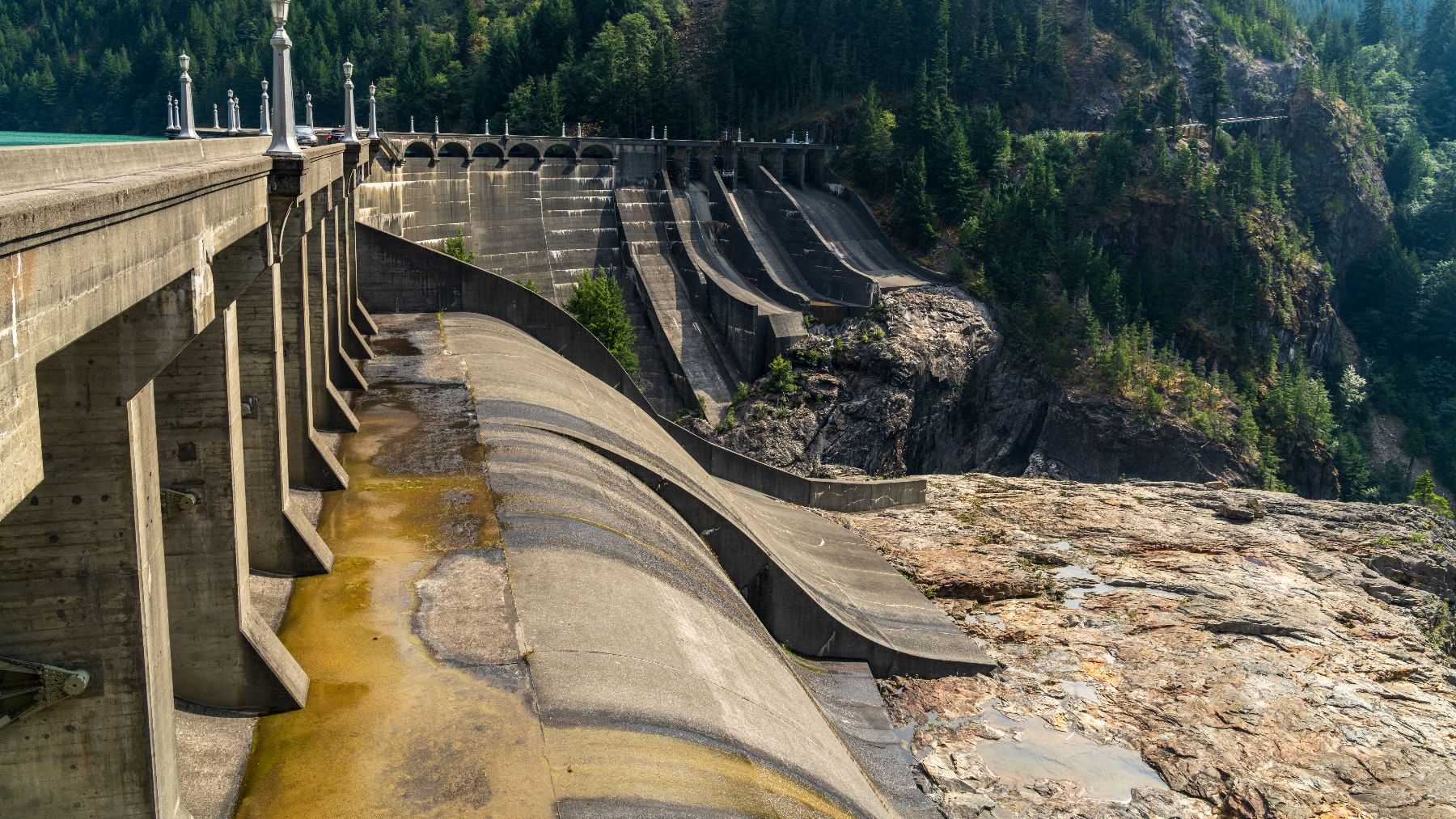
Founded in 1918, the project was designed to generate clean renewable energy, using hydroelectric turbines in the Skagit River.
While a triumph of green-energy innovation, the project posed a major risk to Native tribes.
Three tribes in particular, the Upper Skagit, Sauk-Suiattle, and Swinomish, argued that the project was threatening their way of life.
The Tribes, who depend on the river, complained that the dam’s operations disrupted the natural salmon migration to the region.
Needless to say, a century-long legal battle ensued as a result.
The Tribes filed lawsuits against Seattle City Light (SCL), the public utility organization responsible for running the Skagit Hydroelectric Project.
Balancing the green impact with cultural considerations
Despite the backlash from the Tribes, the Skagit Hydroelectric Project has been one of the most successful green innovations.
It is located within the Ross Lake National Recreation Area in North Cascades National Park.
It consists of three dams with a total installed capacity of 840 megawatts. Together, these dams generate roughly 20 percent of Seattle City Light’s power.
What makes hydroelectric dams particularly outstanding is their lifespan and efficiency.
Hydroelectric turbines are able to convert up to 90 percent of the water’s kinetic energy into pure electricity.
Unlike wind turbines and solar panels, which last between 20 and 25 years, a well-maintained hydro dam can last much longer.
In fact, its lifespan can range anywhere between 50 and 100 years.
However, as important as it is to generating renewable energy, it should not come at the expense of the Tribes.
In the century-long disputes between the Tribes and the Seattle City Light Powerlines, they needed to reach a consensus.
Reaching the Skagit River Hydroelectric Project relicensing settlement agreement
When the Mayor welcomed the Tribes, state and federal agencies together earlier this year, it was a long time coming.
The entire process of negotiations between the Tribes and agencies had taken over a period of eight years to conclude.
Included in the new agreement is a comprehensive fish passage program.
This will ensure that the region will see an increase in salmon harvest and recovery.
The SCL will ensure tribal cultural access and protection of resources so that the Tribes can fish in the river.
They will continue to prioritize flood risk management, updating their protocols when necessary to protect people, farmland, homes, and infrastructure.
In addition, they will enhance public recreation, including trails, river access, and campsites.
In collaboration with federal and state agencies, Tribes, and other organizations, SCL seeks to operate the project for the next 50 years.
This will ensure that all parties continue striving toward shared common goals.
The Salmon Passage and Seattle City Light
While it is rare for Native tribes to reach a common agreement with their state and federal government counterparts, it is not altogether impossible.
The disputes between Seattle City Light and the Tribes might have taken over a century to resolve.
However, despite their differences, each party was fighting for a good cause.
Therefore, eventually, albeit many years down the line, their paths finally converged for the common good.

