
A massive hydroelectric dam drove millions of salmon from their river, but once it came down, the fish began returning as if they remembered the way home
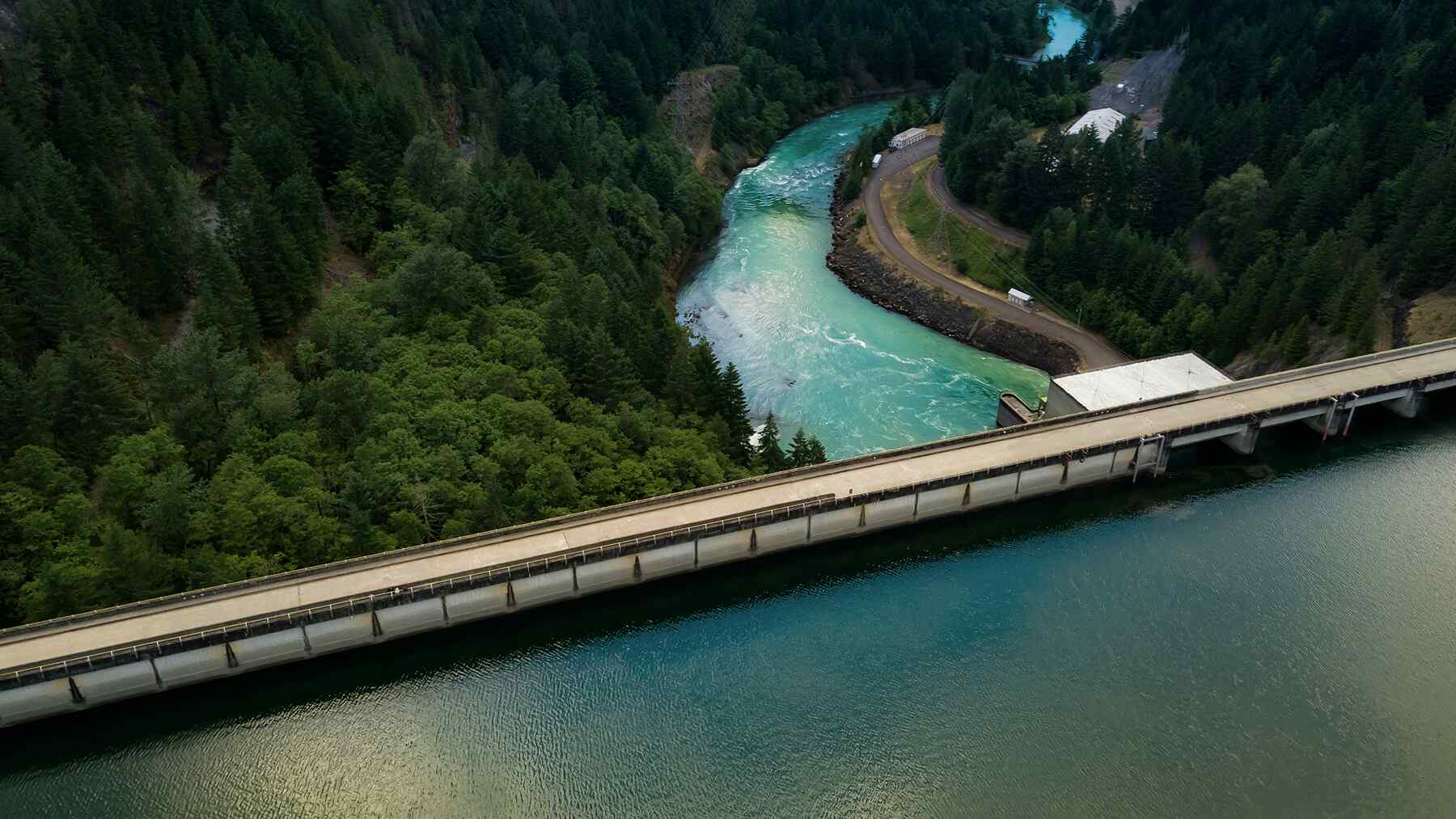 Credits: Energies Media Internal edition
Hydroelectric dams became pivotal in supplying baseload clean power, but their impact on local ecosystems could no longer be overlooked.
The role of hydropower has changed over the past years, with several people growing concerned about the long-term consequences.
As the worsening climate crisis continues to affect local resources, experts decided to break down a massive dam.
Furthermore, as the world faces a possible freshwater “bankruptcy,” breaking down aging infrastructure could ensure the survival of several species.
Nature gradually began to revitalize, and salmon species returned, but what does this mean for hydroelectricity’s future?
How the role of dams has shifted
During the 20th century, hydroelectric dams and their reservoirs were foundational to regional electricity.
Their ability to supply abundant, reliable, clean power marked the infrastructure as an engineering marvel.
It shaped swift industrialization while taming wild rivers, but as climate change became more pressing, its popularity suddenly skyrocketed.
Hydropower’s purpose was no longer to supply water to communities and to prevent devastating floods.
Now, it was essential to lower dependency on fossil fuels while meeting extreme decarbonization goals.
Its uninterrupted electricity production made it ideal for stabilizing grids while keeping greenhouse gas emissions at bay.
Unfortunately, it only helped mitigate the climate crisis at a macroeconomic scale.
Soon, it became evident that these aging infrastructures had a long-term impact on local ecosystems. For conservationists and native communities, the consequences became of significant concern.
As global warming continues to peak, does the low-carbon megawatt output truly outweigh the overall effects?
A warming climate requires new approaches
Average global temperatures in recent years have been at record highs, and these warmer conditions have altered Earth’s climate.
Surface waters are evaporating at accelerated rates, rapidly depleting already scarce freshwater resources.
In this climate context, large-scale dams are becoming less beneficial. Vital reservoirs are running dry, and lower river discharges are cutting into power production.
Washington’s Elwha River proves that dams also have long-term consequences on localized ecosystems.
The diminishing river trapped sediment for decades, which affected the lower river and coastline. Erosion of the river delta and degradation of rocky spawning reproduction grounds followed.
For nearly a century, dams blocked migration paths of over 90% of the upper watershed. Native fish species population declined to a fraction of their historical size.
Warmer water temperatures further lowered populations, resulting in the loss of marine-derived nutrients.
That is why NOAA Fisheries decided to intervene, playing a multi-faceted role spanning decades.
Nature’s long path to recovering from hydroelectric dam impacts
To replenish the river’s natural flow, two dams were completely removed in a multi-year effort.
In September 2011, the demolition of the Elwha Dam and the Glines Canyon Dam began. The removal of both was completed on August 21, 2014.
Heavy sediment loads settled, and biological communities began showing signs of swift recovery.
Fish species, including salmon, started returning to their habitat
Once the river’s mainstem was restored, chinook salmon and steelhead trout successfully navigated the path.
Naturally produced juvenile numbers began increasing in the newly available gravel beds.
This suggests that wild populations’ hidden genetic resilience helps native species to adapt and return to their natural habitats.
Hatcheries played a vital protective role, but as the ecosystem stabilizes, adaptive management plans will be needed. These plans will require a gradual reduction in hatchery production to allow self-sustaining, wild populations to thrive.
The successful reestablishment of local fish species indicates that renewable projects should not focus on just electricity generation.
As the global climate crisis worsens, it proves that energy approaches must evolve to support surrounding ecosystems.
The removal of outdated dams and the implementation of adaptive management will help ensure the genetic resilience of native species. Furthermore, as the world faces a possible freshwater “bankruptcy,” breaking down aging infrastructure could ensure the survival of several species.
Disclaimer: Our coverage of events affecting companies is purely informative and descriptive. Under no circumstances does it seek to promote an opinion or create a trend, nor can it be taken as investment advice or a recommendation of any kind.
Anke Maree is a writer with a clear and engaging editorial style. Her work focuses on making complex topics accessible, informative, and relevant for readers across different areas of interest.
