
UK government agrees 20-year lifetime extension for Sizewell B nuclear plant, keeping it operational until 2055
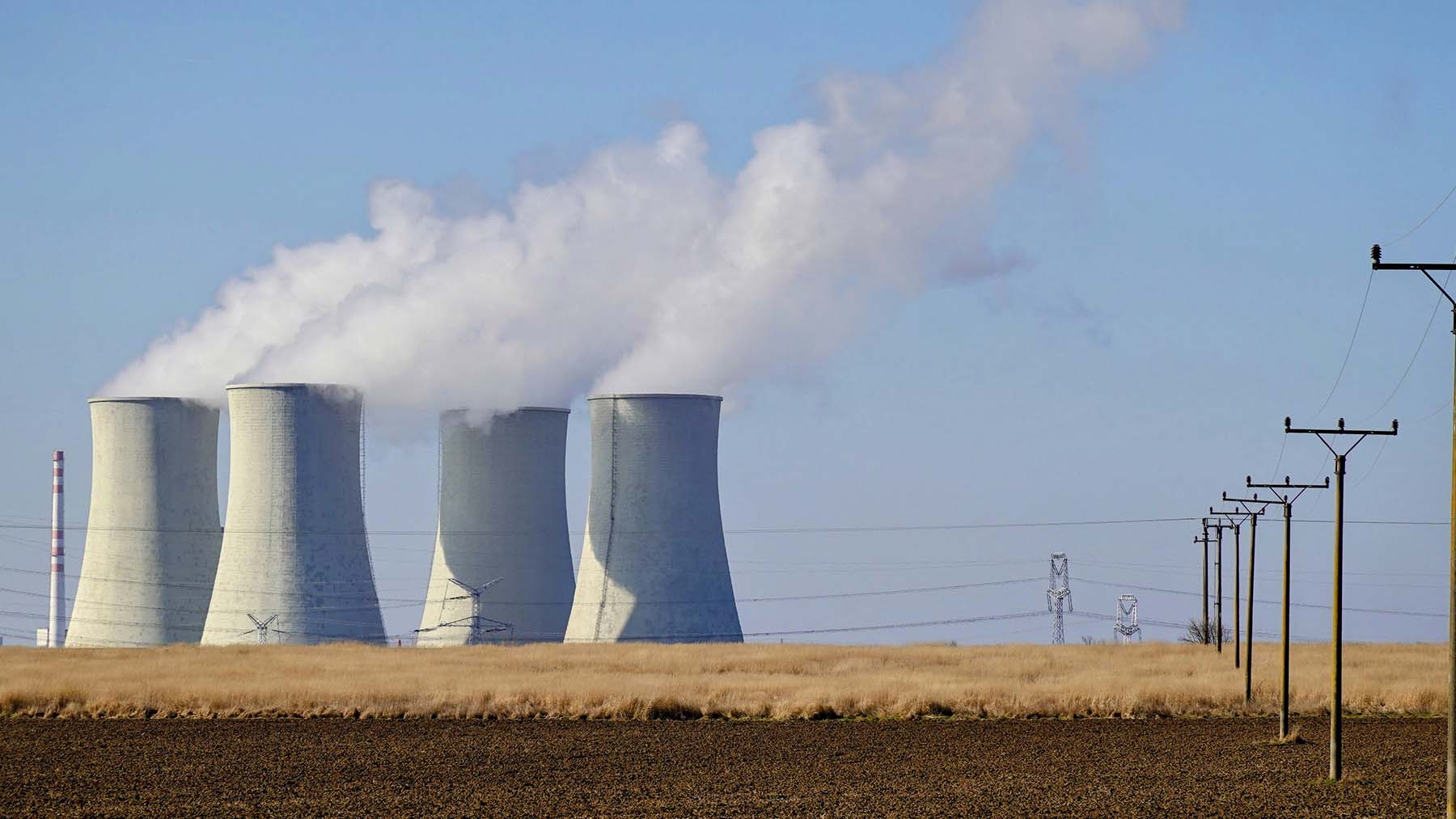 AI-made
The UK government and EDF have agreed terms to extend the operational life of Sizewell B nuclear power station by 20 years, keeping the Suffolk plant running until 2055. Energy company Centrica, which holds a 20% stake in the station, has also backed the deal.
The agreement, announced this week, would push the plant’s closure well past its original 2035 end date—adding two decades to one of Britain’s most significant sources of low-carbon electricity.
Government and EDF reach agreement on Sizewell B extension
The deal keeps Sizewell B — the UK’s only operational pressurized water reactor — running for another 20 years beyond its original 2035 closure date. Centrica, with its 20% stake, has signed on and committed to the investment needed to keep the station going through 2055. Right now, the agreement is at the “heads of terms” stage. A final deal still depends on a long-form contract and all relevant regulatory approvals, which the government says it’ll announce in due course.
Losing it in 2035 as originally planned would’ve left a real gap in Britain’s low-carbon generation capacity, and that’s not a gap easily filled.
Sizewell B currently supplies roughly 3% of the UK’s total electricity — enough to power the equivalent of 2.5 million homes. Losing it in 2035 as originally planned would’ve left a real gap in Britain’s low-carbon generation capacity, and that’s not a gap easily filled.
Financial terms: a Contract for Difference at £70.50 ($94.60) per megawatt hour
The financial structure behind the extension is a 20-year Contract for Difference (CfD), priced at £70.50 ($94.60) per megawatt hour in 2025 prices. It kicks in from 2035 — the plant’s original closure date — and runs through to the end of the extension period.
A CFD stabilizes revenue for the generator. When wholesale electricity prices drop below the agreed “strike price,” consumers pay the difference; when prices rise above it, the generator pays the excess back. It’s designed to give investors certainty while shielding consumers from sudden price spikes.
That consumer protection angle is central to how the government is selling this. New estimates suggest that if Sizewell B had been operating under this agreement during the energy price crisis following Russia’s invasion of Ukraine, consumers would’ve saved approximately £2 billion based on 2025 prices. The extended operation is also projected to reduce the overall cost of Britain’s energy system compared to building equivalent alternative generation capacity from scratch, though no detailed breakdown of those projections has been published.
Expected effects: Jobs, energy security, and consumer costs
Beyond the financial mechanics, the government is pointing to broader benefits. The extension is estimated to support around 900 skilled nuclear jobs on site in Suffolk — a figure both Energy Secretary Ed Miliband and Chancellor Rachel Reeves cited when welcoming the announcement.
Reeves described it as “a real vote of confidence in the hundreds of skilled workers in Suffolk,” adding that it delivers “the long-term certainty that businesses and workers need.” Miliband was more direct about the strategic rationale: “Nuclear power is vital for our energy security, and this extension will help produce the clean power our country needs.”
Keeping the plant running matters beyond the immediate headcount. Nuclear operations require highly specialized expertise that takes years to develop, and continued operation at Sizewell B helps retain that knowledge base alongside the domestic supply chains that support it — factors that grow more important as the UK looks to expand its nuclear capacity elsewhere. The government also frames the deal as a hedge against fossil fuel market volatility, arguing that locking in low-carbon baseload generation at a fixed price offers insulation that variable-output renewables alone can’t provide.
Broader UK nuclear programme and industry context
The Sizewell B extension doesn’t sit in isolation. It’s part of a broader government push to expand nuclear’s role in the UK energy mix, and officials have been keen to frame it as one piece of a larger puzzle—not the whole picture.
That puzzle includes plans for Britain’s first small modular reactors (SMRs) in Anglesey and the proposed construction of Sizewell C, a new large-scale plant on the same Suffolk site. Sizewell C is projected to power the equivalent of 6 million homes and support up to 10,000 jobs at peak construction, though that project remains at an earlier stage of development.
The Nuclear Industry Association estimates that nearly 100,000 people currently work in nuclear-related roles across the UK, spanning plant operations, research, and supply chain manufacturing. That workforce context helps explain why both EDF and Centrica were publicly enthusiastic. EDF UK CEO Simone Rossi said that “extending the life of the plants we already have alongside building new ones is central to EDF’s strategy.” Centrica CEO Chris O’Shea echoed that sentiment, saying the agreement provides “the certainty needed to support the required investment” to keep the plant running through 2055.
Here’s what to take away: Sizewell B will now operate until 2055 under a CfD priced at £70.50 ($94.60) per megawatt hour, starting from 2035. The deal is backed by both EDF and Centrica, supports roughly 900 on-site jobs, and is expected to reduce system costs compared to building replacement capacity. Final confirmation still depends on regulatory approvals and the completion of a long-form contract.
Kelly is an experienced writer with 15 years of experience exploring the big stories that shape our world, from tech breakthroughs and space exploration to climate, energy, and the fascinating quirks of science. She has a talent for turning complex ideas into sharp, memorable insights that stay with readers long after they’ve finished reading.
