
Solar panel hail resilience ratings gain importance as climate change is projected to intensify hailstorms
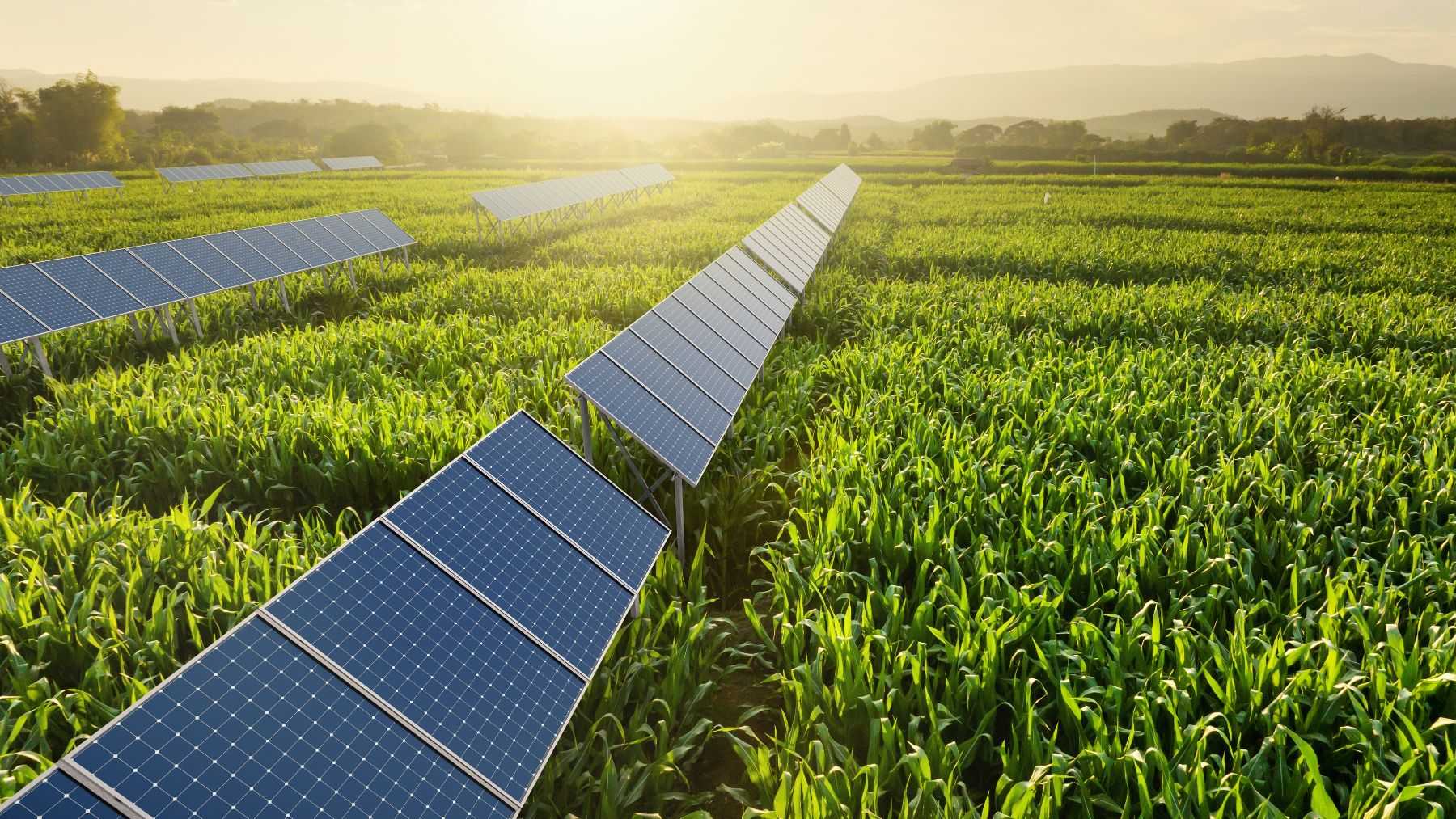
Hail is the single greatest weather threat to solar panels — more damaging than wind, rain, or extreme heat. That finding, highlighted by solar module manufacturer Silfab Solar, carries growing urgency: research suggests hailstorms are likely to intensify as the climate changes, raising the stakes for how panels are built and rated.
Not all modules handle hail equally. Materials, glass thickness, and construction all shape a panel’s resilience — differences that testing bodies like the IEC and third-party certifiers such as RETC are increasingly equipped to measure and distinguish.
Hail identified as the primary weather threat to solar panels
Solar panels occupy a pretty unique spot among electrical devices. They sit outside, glass-side up, exposed to whatever the sky throws at them — for decades at a time. No other common electrical product faces that kind of prolonged, unprotected exposure.
Manufacturer claims are a starting point, but independent certification is a more reliable basis for a decision that’ll affect a system for 25 years or more.
Of all the weather hazards panels face, hail stands out as the most damaging. Wind, rain, and heat all wear things down gradually, but hail is different — it delivers concentrated, sudden impact that can crack cells, cause delamination, or trigger power loss in a single storm.
The long-term risk is growing. Research suggests hailstorms are likely to become more severe as the climate changes, meaning panels installed today may face worse conditions over their lifespan than what they were originally rated for. That projection makes durability ratings more consequential as solar adoption keeps expanding — not less.
One critical caveat: hail resilience varies meaningfully depending on how a module is built and what materials went into it.
Materials and construction determine a module’s hail resilience
Glass thickness is one of the most direct factors in how well a panel holds up under impact. Reputable manufacturers use tempered glass at 0.125 inches — a spec designed to withstand 2-inch hailstones traveling at over 70 mph, exceeding the minimums set by most international testing frameworks.
Glass alone doesn’t tell the whole story, though. The components beneath the surface matter just as much. Flexible materials — including EVA encapsulant sheets that wrap the solar cells and polymer backsheets — absorb and distribute the shock of an impact, working alongside the glass to keep energy from concentrating at a single point.
These design choices reduce the likelihood of the most costly outcomes: cell cracking, delamination, and measurable power loss after a hail event. A panel that survives a storm without internal damage keeps generating power normally. One that doesn’t may underperform for years before anyone detects the problem. Leading manufacturers build to standards that go beyond what certification bodies require, and that gap between minimum compliance and genuine resilience is where construction choices make a real difference.
Industry testing standards and third-party certification processes
You can’t just put a panel on a roof and wait for a storm. Lab testing uses pneumatic air cannons to fire hailstones of controlled size at regulated speeds — simulating real-world impact conditions in a repeatable, measurable way.
The baseline for these tests comes from the IEC, the International Electrotechnical Commission, which sets the internationally recognized standard for hail impact resistance. Passing IEC thresholds is the floor, not the ceiling.
Independent third-party labs carry more weight with buyers and installers than manufacturer self-reporting. Organizations like Kiwa PVEL, TUV, and RETC run rigorous evaluations that go beyond what a company might report about its own products — and their findings are harder to dismiss. Some modules don’t just meet IEC requirements; they exceed them, earning higher-tier ratings from these testing bodies. A panel that clears the minimum bar is compliant — one that surpasses it has demonstrated something more.
Implications for buyers and installers in hail-prone regions
If you’re buying or specifying panels in a region that sees hailstorms — even occasionally — third-party hail ratings should be part of your evaluation. Manufacturer claims are a starting point, but independent certification is a more reliable basis for a decision that’ll affect a system for 25 years or more.
Award programs like RETC’s “High Achiever” designation help cut through the noise, identifying modules that have performed exceptionally well under rigorous testing and giving buyers a shorthand for telling top-tier durability apart from basic compliance.
The practical benefits are real. Fewer storm-related failures mean fewer insurance claims, lower maintenance costs, and less system downtime — and for commercial installations, that translates directly to better energy yield reliability and reduced operational risk. As solar installations spread across more rooftops, fields, and climate zones, hail resilience is shifting from a secondary consideration to a primary procurement criterion for projects in exposed locations.
What to know when choosing panels for hail-prone areas
The core takeaway is straightforward: hail is the leading weather threat to solar panels, its severity is expected to increase, and modules aren’t all built to handle it equally. Tempered 0.125-inch glass and flexible internal components like EVA encapsulants determine how well a panel absorbs impact. IEC standards set the baseline. Third-party certifiers — Kiwa PVEL, TUV, and RETC among them — provide independent verification that goes further. For buyers and installers in hail-prone regions, prioritizing modules with verified third-party ratings and looking for recognition like RETC’s “High Achiever” award is a practical way to reduce long-term risk.
Kelly is an experienced writer with 15 years of experience exploring the big stories that shape our world, from tech breakthroughs and space exploration to climate, energy, and the fascinating quirks of science. She has a talent for turning complex ideas into sharp, memorable insights that stay with readers long after they’ve finished reading.
