
Standard Solar acquires two eastern Washington solar projects from OneEnergy Renewables to serve rural utilities
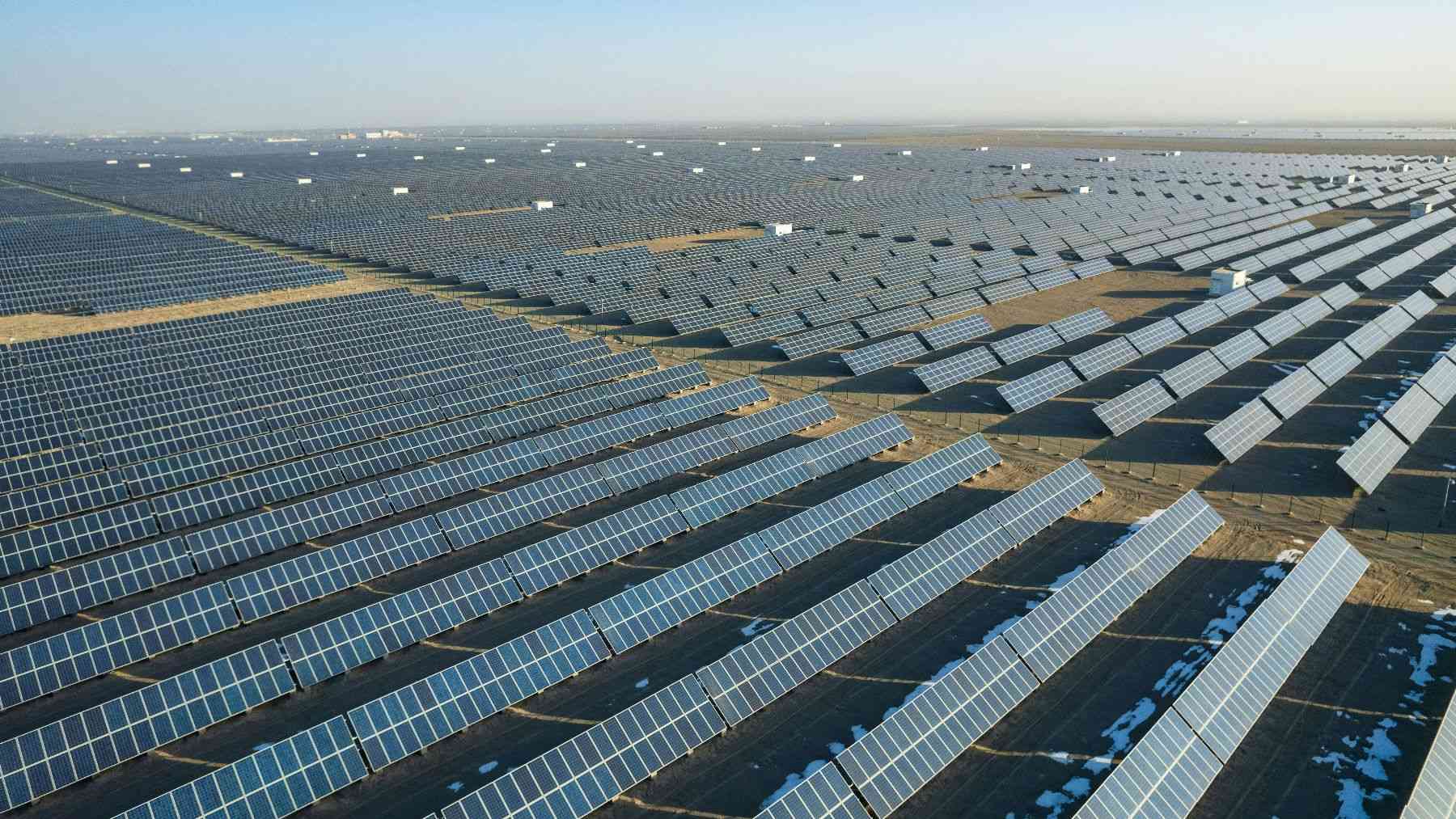
Standard Solar has picked up two ground-mounted solar projects in eastern Washington from OneEnergy Renewables, adding to its presence in the Pacific Northwest. The Palouse Junction project in Connell and the Cunningham project in Othello together bring 15.79 MW of new clean energy capacity online. Franklin Public Utility District and Big Bend Electric Cooperative will buy the power, and construction on both projects is expected to finish in Q1 2027.
Two projects totaling nearly 16 MW acquired in Eastern Washington
Palouse Junction is the bigger of the two. Located in Connell, it carries 12.1 MW DC of capacity and is projected to produce around 22,339 MWh of clean electricity in its first year. The Cunningham project, sited in Othello, comes in at 3.69 MW DC — rounding out the combined 15.79 MW total.
OneEnergy Renewables is acting as both developer and EPC provider on both projects. Keeping those roles under one roof simplifies coordination as things move toward the Q1 2027 completion target — a meaningful advantage when schedules are tight.
“Rural utilities are essential partners in expanding access to clean energy,” said Eric Partyka, Standard Solar’s Director of Business Development.
Together, the two installations are expected to generate more than 29,000 MWh of clean electricity in their first year. That’s enough to make a real dent in local power demand across two rural eastern Washington communities.
Rural utilities drive demand for locally generated solar power
The offtake agreements here reflect a broader pattern: rural utilities increasingly turning to distributed solar to shore up local power supply. Franklin Public Utility District will purchase 10 MW AC from Palouse Junction, while Big Bend Electric Cooperative will take 3 MW AC from Cunningham.
Both are publicly accountable entities serving communities in eastern Washington’s agricultural region. Unlike investor-owned utilities, public utility districts and electric cooperatives answer directly to the ratepayers and members they serve — which gives locally generated solar a particular appeal. That accountability shapes how these organizations think about energy procurement.
Standard Solar has been upfront about the strategic logic. The company cited rural utility partnerships as central to its distributed generation and community-scale solar approach. “Rural utilities are essential partners in expanding access to clean energy,” said Eric Partyka, Standard Solar’s Director of Business Development. “These projects are an important example of how local utilities can bring the benefits of renewable energy directly to the communities they serve.”
For Franklin PUD and Big Bend Electric, the deals support long-term energy planning while delivering clean electricity that originates close to home — rather than traveling long distances across the grid.
Projects expected to deliver over 29,000 MWh in their first year
Palouse Junction is projected to generate approximately 22,339 MWh in its first year. Cunningham adds roughly 6,917 MWh on top of that. Combined, more than 29,000 MWh of clean electricity will flow to local utility customers.
Both are ground-mounted installations — a format that fits eastern Washington particularly well. The region offers flat terrain, abundant land, and strong solar resources, all of which favor utility-scale and community-scale ground-mount development over rooftop alternatives.
The electricity won’t travel far — delivered directly to Franklin PUD and Big Bend Electric customers, the output keeps its benefits local. That’s a point both Standard Solar and OneEnergy leaned into when describing the projects’ value to the region. OneEnergy’s Senior Manager of Development, Erin Lynch, noted that the projects “reflect the value of thoughtful solar development that aligns with local utility needs and supports Washington’s broader clean energy future.”
Acquisition fits Standard Solar’s broader Pacific Northwest expansion strategy
This isn’t a one-off deal. Standard Solar has made clear it’s actively looking for more projects in Washington and across the Pacific Northwest. The company already owns and operates more than 500 MW of solar assets across the US, and as a Brookfield portfolio company, it brings serious financial backing to its acquisition activity.
One factor working in its favor: access to safe-harbored solar panels. Safe-harboring — locking in equipment purchases to qualify for federal tax incentives — gives Standard Solar flexibility to move projects from development into construction more efficiently, a real advantage in a market where timelines can be sensitive to policy shifts.
OneEnergy Renewables is a Public Benefit Corporation headquartered in Madison, Wisconsin, and Seattle, Washington. Its focus on responsible siting and utility-aligned development made it a natural fit for Standard Solar’s long-term ownership model. The partnership on Palouse Junction and Cunningham is their first collaboration in Washington state — but given Standard Solar’s stated appetite for more Pacific Northwest projects, it probably won’t be their last.
What these two projects add up to
At their core, these acquisitions are straightforward: two ground-mounted solar projects, nearly 16 MW of combined capacity, two rural utility offtakers, and a shared Q1 2027 construction target. Standard Solar takes ownership, OneEnergy handles development and EPC, and Franklin PUD and Big Bend Electric get locally generated clean power for their customers.
What makes the deal worth paying attention to is the context. Rural utilities in agricultural regions don’t usually make headlines in clean energy coverage, but they’re quietly becoming important players in the distributed solar market. These two projects add to a growing body of evidence that community-scale solar — built close to where power is consumed and structured around local utility needs — has a lasting role to play in the broader energy transition.
Kelly is an experienced writer with 15 years of experience exploring the big stories that shape our world, from tech breakthroughs and space exploration to climate, energy, and the fascinating quirks of science. She has a talent for turning complex ideas into sharp, memorable insights that stay with readers long after they’ve finished reading.
