
Statkraft posts NOK 6.6 billion EBITDA in Q2 2026 as higher Nordic power prices boost results
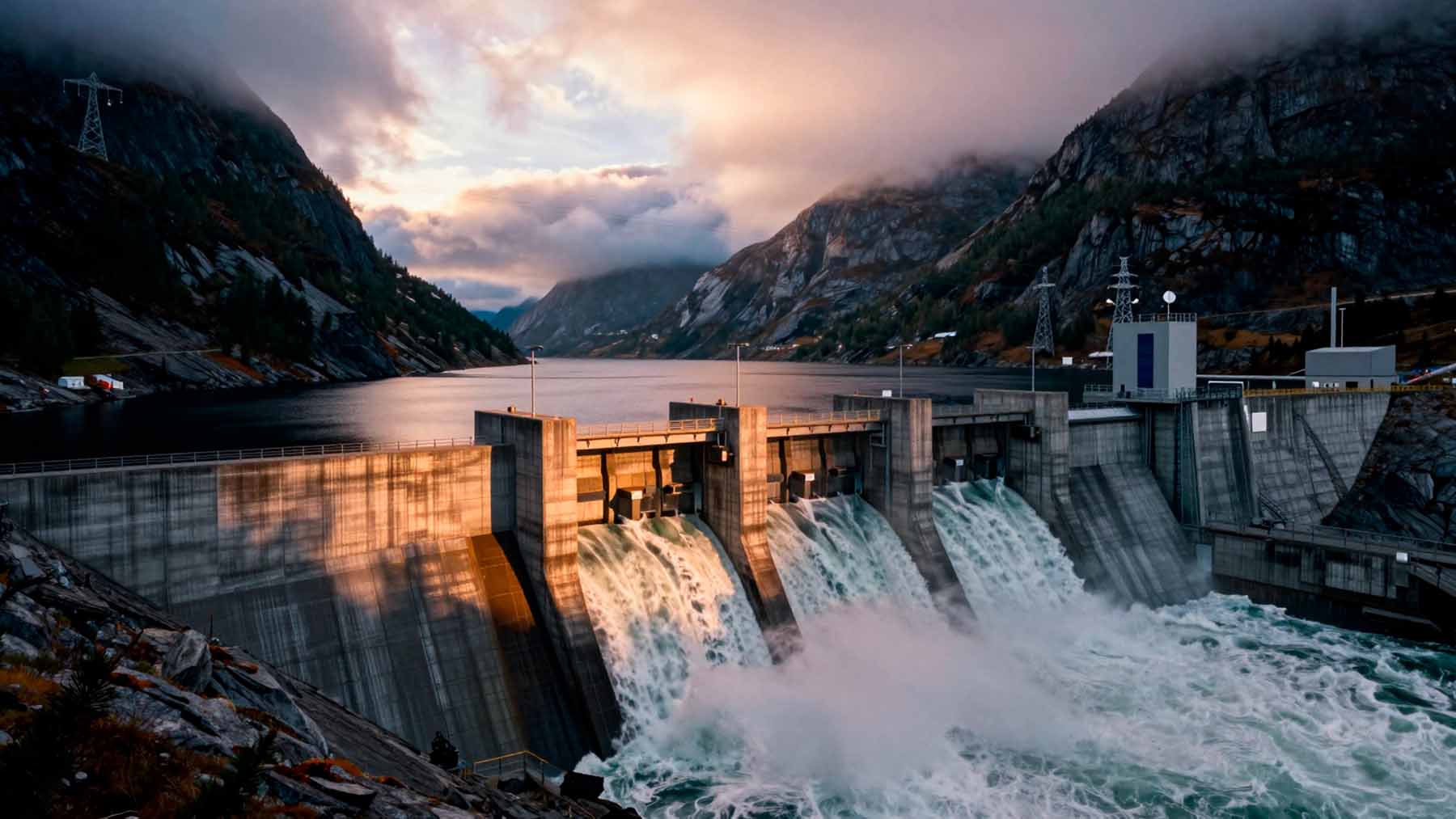 AI-made
Norwegian state-owned energy company Statkraft reported a sharp jump in second-quarter 2026 earnings, with underlying EBITDA reaching NOK 6.6 billion ($686 million)—up from NOK 4.5 billion ($468 million) in the same period a year earlier. The results, published alongside comments from President and CEO Birgitte Ringstad Vartdal, were primarily driven by significantly higher Nordic power prices.
Q2 2026 results at a glance
The headline EBITDA figure tells only part of the story. Statkraft’s underlying EBITDA of NOK 6.6 billion ($686 million) represents a 47 percent jump from the NOK 4.5 billion ($468 million) recorded in Q2 2025—a substantial swing in a single year. Profit before tax moved in the same direction, coming in at NOK 2.1 billion ($218 million) compared with a loss of NOK 5.1 billion ($530 million) in the prior-year quarter.
Net profit stayed negative at NOK -1.5 billion (-$156 million). That’s a real improvement from NOK -6.5 billion (-$676 million) a year ago, but it still reflects the weight of Norway’s resource rent tax on hydropower generation. As power prices climbed, so did the tax bill—pushing Statkraft’s effective tax rate to 171 percent for the quarter.
Hydropower generation in Norway came in 0.8 TWh lower than in Q2 2025, due to a tighter hydrological situation—less water available to run through the turbines.
Total power generation was 15.1 TWh, essentially flat against 15.2 TWh in Q2 2025. Volume wasn’t the story here. The price was.
Why results improved: higher prices offset lower hydropower output
Nordic power prices rose significantly across all price areas in Q2 2026 compared with the same quarter last year. That broad-based increase fed directly into revenues, more than compensating for a dip in hydropower output.
Hydropower generation in Norway came in 0.8 TWh lower than in Q2 2025, due to a tighter hydrological situation—less water available to run through the turbines. Normally, that kind of shortfall would hurt results. Stronger prices more than made up the difference this time around.
Two other factors also lifted profit before tax: lower impairments and reduced negative currency effects relative to the prior-year period. Impairments in Q2 2026 totaled NOK 1.8 billion ($187 million), primarily tied to wind power in Germany, though that figure included a NOK 907 million ($94.3 million) reversal of impairments in Swedish onshore wind—partially offsetting the hit.
Segment-level results showed a similar pattern. The Nordics remained the largest contributor, boosted by higher prices across all areas. Europe posted improved results thanks to higher generation, stronger net operating revenues, and lower operating expenses tied to the exit of non-core activities, even as write-downs in the development portfolio partially offset those gains. The International segment had a weaker quarter, hurt by lower prices on extended long-term power sales contracts and curtailments in Brazil.
Strategic divestments completed; new investments approved
After Q2 ended, Statkraft and Eviny announced a merger of their fast-charging companies. Subject to regulatory approvals, that deal wraps up the company’s previously announced strategic divestment program. Focus now shifts to developing renewables competitively, maximizing value as an asset owner and operator, and providing market solutions.
New investment decisions made during the quarter span multiple technologies and geographies. In Norway, Statkraft approved an upgrade of the electro and control system at the Vikfalli hydropower plant and construction of the Blåfjell pump project. In Germany, it greenlit an upgrade of the Knapsack II gas-fired power plant. The Stargoose project in the UK and the Kilcush project in Ireland both received investment approval, as did the Emma wind project in Peru and the Gran Sul wind project in Brazil.
By the end of H1 2026, those decisions collectively covered more than 600 MW of new renewable capacity. Investment activity is expected to pick up further in the second half of the year.
Balance sheet and capital allocation
According to a press release, Statkraft ended Q2 with net interest-bearing debt of NOK 39.2 billion ($4.08 billion)—down NOK 1.1 billion ($114 million) from year-end 2025. That reduction happened despite significant tax payments during the period, pointing to strong underlying cash generation.
Return on average capital employed rose to 14.0 percent, up from 10.7 percent at the end of 2024—a shift that tracks the stronger operating performance across the quarter.
Looking ahead, Statkraft targets annual investments of NOK 16–20 billion ($1.67–2.08 billion) across its core technologies and markets. In Norway specifically, the company submitted three hydropower and onshore wind license applications during Q2, with a target of seven by year-end. Those applications are part of a broader ambition to invest around NOK 80 billion ($8.32 billion) in Norwegian hydropower and onshore wind over the coming decade, though Statkraft notes that realizing that potential depends on timely processing by Norwegian authorities.
The key takeaways from Statkraft’s Q2 2026 results: a sharp improvement in underlying earnings driven by higher Nordic power prices, a return to profit before tax after a loss-making Q2 2025, and a net profit that stayed negative due to Norway’s resource rent tax. Volume held roughly steady, strategic divestments are now wrapped up, and the company is actively deploying capital across hydropower, wind, and solar in multiple markets. With a stronger balance sheet and a growing project pipeline, Statkraft heads into H2 2026 with more financial headroom than it had a year ago.
Kelly is an experienced writer with 15 years of experience exploring the big stories that shape our world, from tech breakthroughs and space exploration to climate, energy, and the fascinating quirks of science. She has a talent for turning complex ideas into sharp, memorable insights that stay with readers long after they’ve finished reading.
