
There is a massive amount of money involved in the hydrogen initiative, which is a testament to the energy source’s profitability and attractiveness in the current landscape. In the energy industry, companies need to capitalize on certain moments because technological innovation means the industry moves extremely fast. As such, hydrogen developers are making a massive push to position themselves for the inevitable rise in hydrogen demand. This explains why there have been a variety of companies pursuing energy initiatives, and among them is Stegra, which has secured €1.4 billion in funding to advance the completion of a hydrogen-based steel production facility.
Stegra receives mega funding in its pursuit of a hydrogen initiative
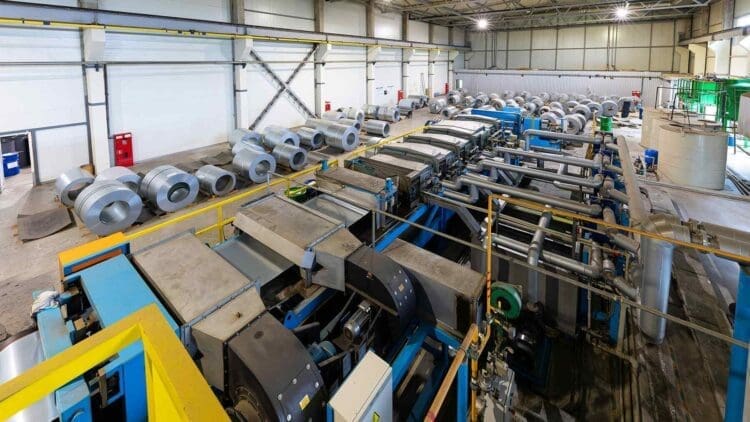
Stegra is a Swedish-based industrial start-up that was founded in 2020 with the overall aim of decarbonizing the steel industry by producing green steel using green hydrogen instead of coal. The company is building a large-scale and digitalized steel plant in Boden with plans to commence production in 2026.
Companies that are able to maintain relevance in the energy industry and adapt to contemporary strategies deserve a massive amount of credit. Newer companies, however, find it easier because they are developed in the modern era, where they shape energy generation.

This is the case for Swedish green steel company Stegra, which has secured €1.4 billion in new financing to push forward its flagship hydrogen-based steel plant in northern Sweden.
The funding represents a massive step toward completing one of Europe’s most ambitious industrial decarbonization projects. Supported by a powerful investor consortium, the deal ensures the project is now on a fully funded path. Hydrogen is receiving more popularity as a good alternative to coal in steel production.
€1.4 billion funding to advance the completion of a steel production facility
The €1.4 billion financing round, led by a consortium assembled by Wallenberg Investments, includes both new and existing investors and provides the capital needed to finalize construction of the Boden facility. Companies often receive the most credit for an energy project materializing, but investors and the government deserve an equal amount of praise because, without them, many projects would fail.
In this instance, the funding comes after months of uncertainty. In that timespan, construction slowed while the company looked for extra capital. The financial boost means that Stegra has effectively removed a major financial obstacle, enhancing its balance sheet and reducing the chances of further fundraising mid-project.
According to reports, the project has already attracted significant investment, with earlier funding rounds bringing total capital raised to more than €6.5 billion.
What are the expected impacts of Stegra’s upcoming hydrogen facility?
This deal, as agreed, not only fills the remaining financing gap but also introduces a more resilient equity structure, improving the company’s long-term financial resilience. At the heart of Stegra’s project is a major shift in how steel is produced. Instead of using coal, the plant will depend on green hydrogen generated from renewable electricity to process iron ore.
The energy industry is quickly moving away from the traditional strategies of energy generation. The new method replaces carbon-intensive blast furnaces with a hydrogen-based direct reduction process, producing water vapor instead of carbon dioxide as a byproduct.
This results in steel with up to 95% lower emissions compared to conventional methods. As such, the initiative is expected to transform energy generation in one of the world’s most polluting industries.
The Boden facility’s importance for Europe’s green hydrogen transition
The Boden facility is built to operate at a limitless scale, integrating a large electrolyzer powered by renewable energy to generate hydrogen on-site. When fully functional, the plant is expected to produce millions of tons of green steel annually.
Steel production is responsible for a significant share of global emissions. As such, transitioning to hydrogen-based processes is considered essential to achieving climate targets.
The involvement of major investors highlights increasing confidence in the profit potential of green steel. Stegra will elevate its reputation with this initiative.
Prince is a versatile writer focused on energy, automotive, environmental, and general news topics. He makes complex technical and policy issues clear, engaging, and accessible for a broad audience.