
TotalEnergies and Masdar joint venture broadens international wind energy asset portfolio
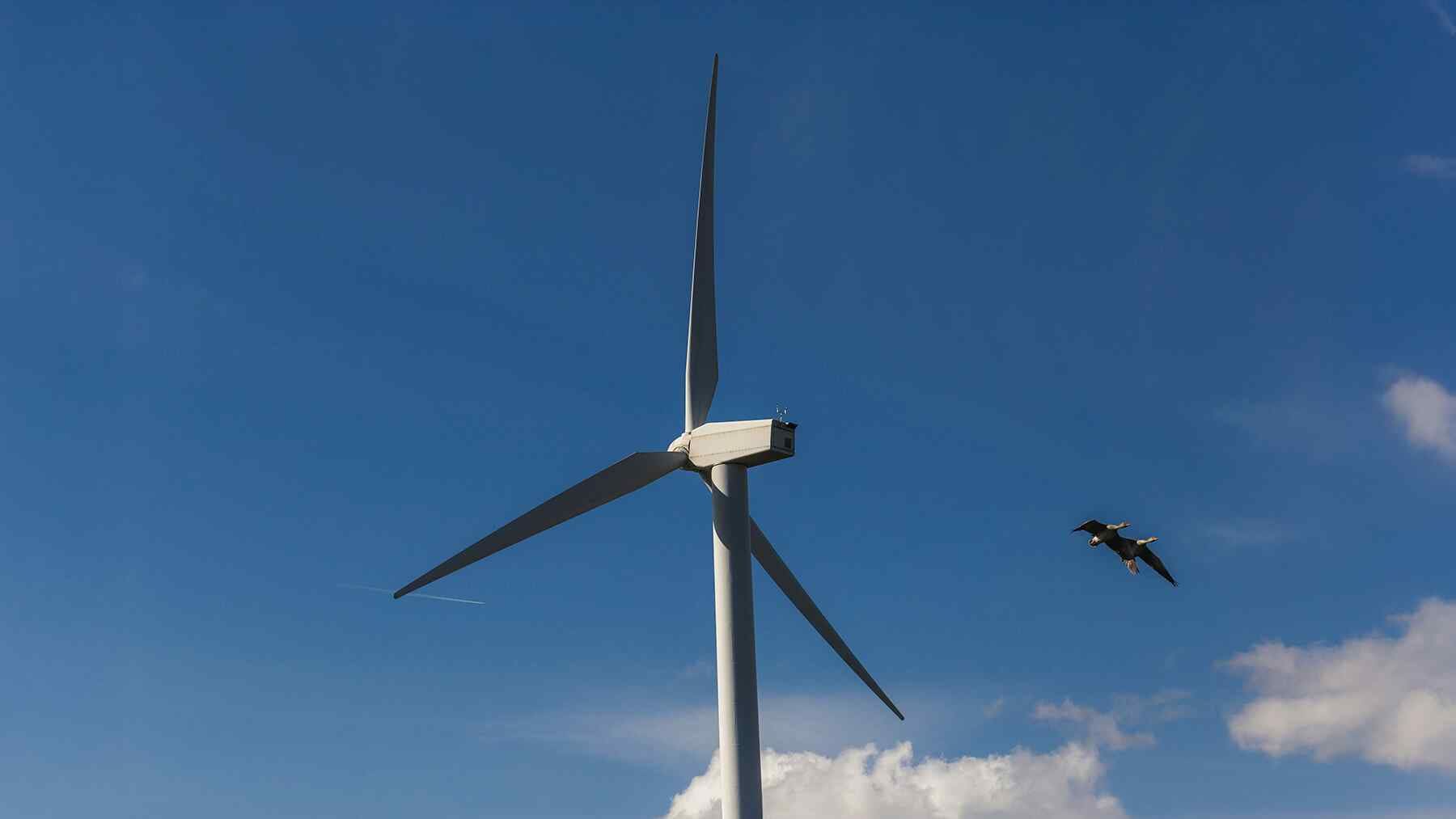
One of the early lessons that the world has learned from studying the 2026 energy projects is that collaborations are an effective way to guarantee or at least increase the likelihood of initiatives materializing. For instance, if a company faces financial issues during the execution of an initiative, it is more likely to either give up on it or fail to recover. Ultimately, collaborations allow entities to share the risks and finances associated with delivering a project. This explains why a TotalEnergies and Masdar joint venture has broadened its international wind energy asset portfolio.
TotalEnergies and Masdar collaborate in a large-scale wind initiative
One of the most important ingredients to a successful partnership is the ability of companies to complement each other when pursuing projects. Essentially, this means they must be able to do what the other party is unable to. TotalEnergies is one of the companies that has been extremely active in 2026, delivering groundbreaking initiatives.
The company was founded in 1924 and is a French multinational integrated energy company. It officially rebranded in 2021 to display its transition toward renewable energy. According to reports, it operates in over 150 countries, focusing on oil, biofuels, natural gas, green gases, and renewable electricity.
The deal is structured as a 50/50 partnership, meaning they will have to play an equal role in delivering various types of projects in these specific countries.
On the other hand, Masdar is a UAE state-owned renewable energy leader founded in 2006 to drive global sustainability. It is based in Abu Dhabi and focuses on renewable energy, clean technology, and green hydrogen projects. The two global energy leaders, TotalEnergies and Masdar, have announced a landmark partnership that intends to accelerate renewable energy deployment.
Unpacking the key reasons behind the wind energy-related collaboration
Whenever companies reach an agreement that includes massive amounts of money, it is essential to clarify why exactly they have decided to come together. In this instance, the $2.2 billion joint venture marks a significant step toward expanding wind and solar capacity across high-growth markets.
Total Energies and Masdar will combine assets and expertise with the aim of positioning themselves to meet rising global electricity demand. According to reports, the agreement reached means the companies will merge their onshore renewable energy portfolios across nine Asian countries, including Indonesia, Japan, South Korea, and Uzbekistan.
The deal is structured as a 50/50 partnership, meaning they will have to play an equal role in delivering various types of projects in these specific countries. In total, the portfolio already includes approximately 3 gigawatts (GW) of operational capacity, with an additional 6 GW in advanced stages of development.
TotalEnergies and Masdar joint venture to enhance global renewable portfolios
Wind energy facilities have previously faced criticism because they possess intermittency issues caused by the inability to predict and guarantee the availability of wind throughout the year. Wind energy is expected to play an integral role in the venture’s strategy, supporting solar and storage technologies to deliver more consistent and reliable clean power.
The inclusion of multiple technologies is a growing trend in the energy industry, which displays the ever-increasing focus on integrated energy systems instead of just individual projects. For TotalEnergies, the agreement reinforces its transition from a traditional oil and gas company into a diversified energy provider with a growing renewable footprint.
On the other hand, Masdar continues to expand its global presence as part of its overall objective to reach 100 GW of renewable capacity by 2030. The collaboration with TotalEnergies strengthens its ability to enter new markets and utilize shared technical and financial resources.
Reviewing how the joint venture might change the future of wind energy initiatives
The inclusion of all assets into a single platform is an action that will allow both companies to optimize project pipelines, reduce costs, and improve access to financing. The joint venture also presents an example of the importance of combining wind, solar, and battery storage to manage intermittency challenges.
Asia remains one of the most flexible and innovative renewable energy markets globally. For instance, China, the biggest solar and wind energy producer in the world, emerges from Asia.
Prince is a versatile writer focused on energy, automotive, environmental, and general news topics. He makes complex technical and policy issues clear, engaging, and accessible for a broad audience.
