
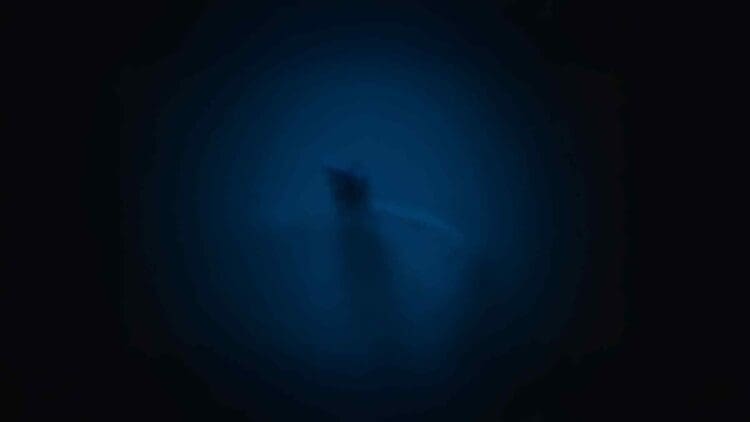

A “paranormal sighting” that reshapes our understanding of the world. Researchers have recorded very few sightings of the sea’s true ghost in the past 120 years. However, a recent sighting of the elusive phantom jelly has given the world hope that this species will finally allow us to gain more insight into its existence. Will this finally be our chance, or is this phantom just giving us a glimmer of false hope?
Is this the real life, or is it just fantasy?
There are many things in this world that are stranger than fiction. In fact, many species remain undiscovered, and some people will only believe it once they have seen it. Yet, there are limited recorded sightings of certain species that are so rare, they actually fall on the fine line between fantasy and reality. On land, the most elusive species are typically endangered, such as the Siberian tiger and the pangolin.
However, not all rarely sighted marine species can be classified as endangered, as the ocean environment alone makes spotting them increasingly more difficult. Some marine species are so rare that many believe them to be mythical, often leading to some unbelievable legends. Once, such a species included the “true ghost beneath the sea,” but this ghost is certainly more than a mere specter.


An accidental encounter with a ghost beneath the sea
When it comes to the vast ocean and its unique ecosystems and species, there are many odds against their existence. Some are manmade impacts, others are natural impacts, and some are even a combination of the two. Despite these odds, some species continue to adapt and survive, and even thrive, as seen with the ecosystems growing on and around wind turbines.
However, an Argentine-led expedition with the Schmidt Ocean Institute’s Falkor (too) unveiled just how much is truly hidden beneath the vast oceans, especially as the expedition team traveled from the north of Buenos Aires to an offshore region near Tierra del Fuego. In a near-paranormal event, the team even had an accidental encounter with the ever-elusive giant phantom jellyfish, which is truly the ghost beneath the sea.
Phantom jelly leaves “midnight zone” for a rare glimpse
The giant phantom jellyfish was spotted approximately 820 feet below the surface, making this opportunity as rare as the jellyfish itself. Since the first sample of the species was collected more than 120 years ago, it has been sighted only approximately 120 times. The reason why this giant phantom jellyfish is so rare is that it usually dwells in the “midnight zone,” which is approximately between 3,300 and 13,100 feet below the surface.
During an interview with the New York Times, María Emilia Bravo, the University of Buenos Aires’ marine biologist and the chief scientist of the expedition, stated:
“Its ethereal and delicate presence in such an extreme environment was deeply surprising.”
Giant phantom jellyfish can grow up to 33 feet in adulthood and usually prey on plankton and small fish, grabbing them with its ribbonlike tentacles. The main purpose of the expedition was to locate ocean floor cracks that leak methane and hydrogen sulfide, known as cold seeps, which play a key role in the marine food web. These cold seeps are also of interest in the energy transition, as they are localized sources of critical minerals needed for renewable technologies.
Identifying new marine species and rediscovering rare marine species, such as the giant phantom jellyfish, is crucial. The regions where they are documented become protected by law to ensure that marine biodiversity is protected. This is becoming increasingly important, especially as the effects of climate change are already threatening the existence of marine life. Several ecosystems are being lost due to coral bleaching, so our role as protectors is bigger than ever!



