
UNSW tests new technology to make solar panels produce energy even at night
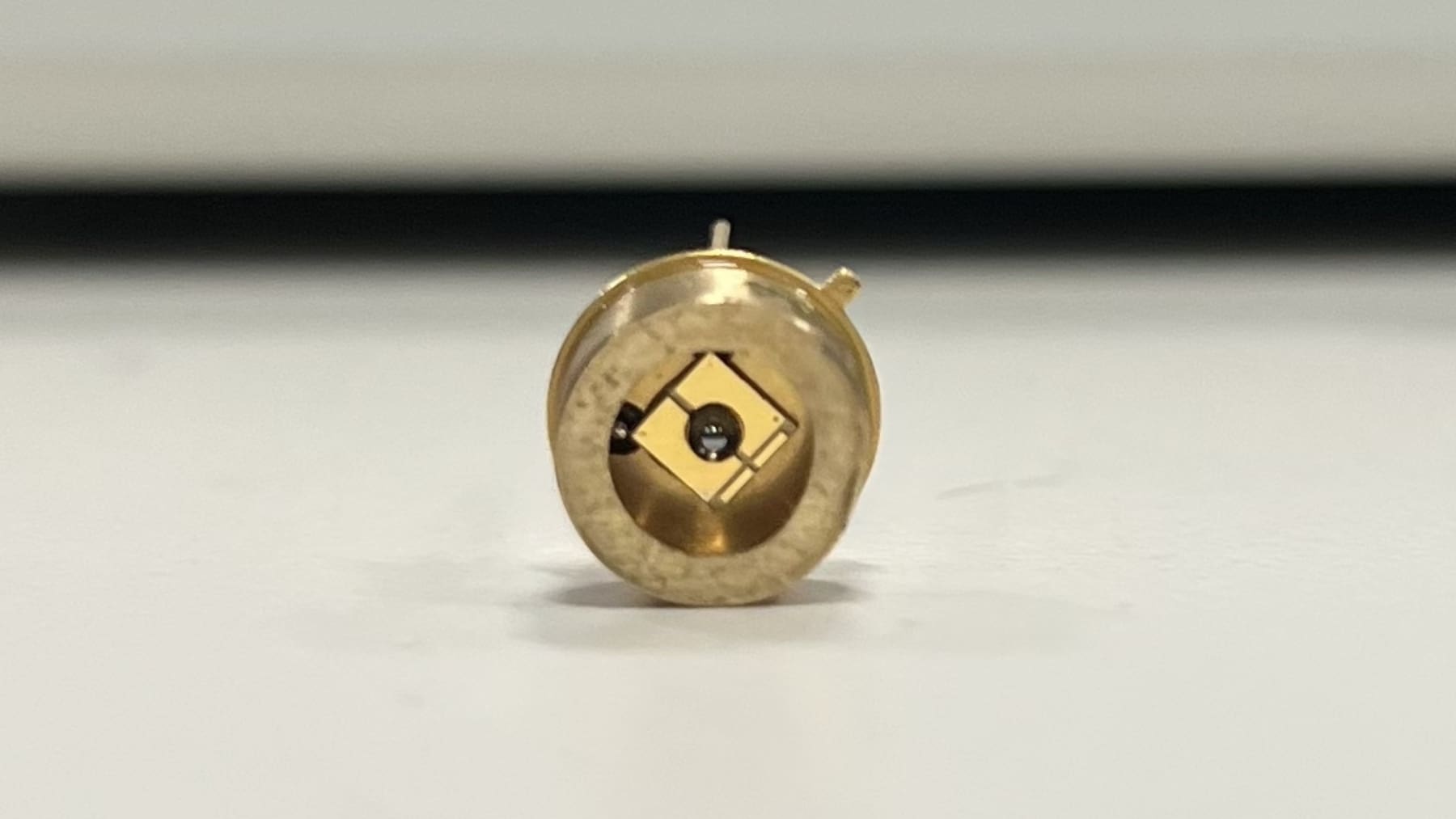 Credits: UNSW Sidney
UNSW, or the University of New South Wales, has made a truly astonishing piece of solar technology that has far-reaching effects. How far-reaching, you ask? Well, how about implementing new technology in space? We have all seen the images from thermal imaging cameras. The bright red, blue, and yellow colors represent heat that can be transformed into energy. And with a new advancement by the eggheads at UNSW, the technology has made significant steps towards real-world applications.
The sun provides us with energy even when we can not see it
The researchers from the University of New South Wales have produced something truly spectacular that could revolutionize the energy sector entirely. They have created a solar panel that is able to keep collecting those life-giving rays of sunlight that our star presents us. What is truly remarkable is how it manages to do that in the dead of night in the cold, cold vastness of space.
They have created a solar panel that makes use of the same principles of a thermal imaging camera, picking up rays of light that otherwise would have gone off into space. And space is where we might see the technology advance even further. The concept of thermal imaging works by detecting rays of light that are bouncing off the Earth back towards the vastness of space.
The idea is that the solar panel absorbs the heat and light that otherwise would have been lost by using thermodynamics to capture that sweet sunlight. Even when the sun has gone down on your side of the Earth, it continues to emit heat back into space, and that is where the new solar panel steps in. The team’s initial findings confirm a long-held theory that electricity is produced from the heat radiated into space as infrared light.
The inspiration for the new solar panel might not come from where you expect
Science is a strange master of the universe. It constantly presents new opportunities to use existing technology in ways never thought possible before. The team took their inspiration from the night-vision goggles that we have become accustomed to seeing in military movies. By using a semiconductor, called a thermoradiative diode, they are able to capture power from the emission of infrared light.
“The first silicon solar cells were demonstrated in 1953, and by 1958, they were used on the first solar-powered satellite. We now generate very large quantities of electricity from solar power for our homes using silicon solar cells, that technology which was first used in space. In a similar way, we intend to fly the thermoradiative diode in space within the next 2 years. What we did was we made a semiconductor device [that] takes advantage of that radiant heat that’s leaving the Earth, and as that light is emitted, it generates some electricity” – Professor Ekins-Daukes
Another member of the team that produced the amazing technology followed the explanation by the Professor by giving a more watered-down explanation for those of us not inclined to the terminology.
“In the same way that a solar cell can generate electricity by absorbing sunlight emitted from a very hot sun, the thermoradiative diode generates electricity by emitting infrared light into a colder environment. In both cases, the temperature difference is what lets us generate electricity.” – Dr Phoebe Pearce
The team has sent a version of the solar panel into space for further testing
The team from the University of New South Wales has sent a version of the panel into space to test the new materials developed specifically for this thermodynamic energy absorption. Whatever readings they receive on Earth will be multiplied significantly. This new development could be revolutionary for the energy sector as it represents a venture into the unknown. Drawing inspiration from night-vision goggles was truly a masterpiece on the part of the team. We expect more developments in the not-too-distant future.
