
VAALCO Energy resumes Baobab field production offshore Côte d’Ivoire after nine-month FPSO refurbishment in Dubai
 AI-made
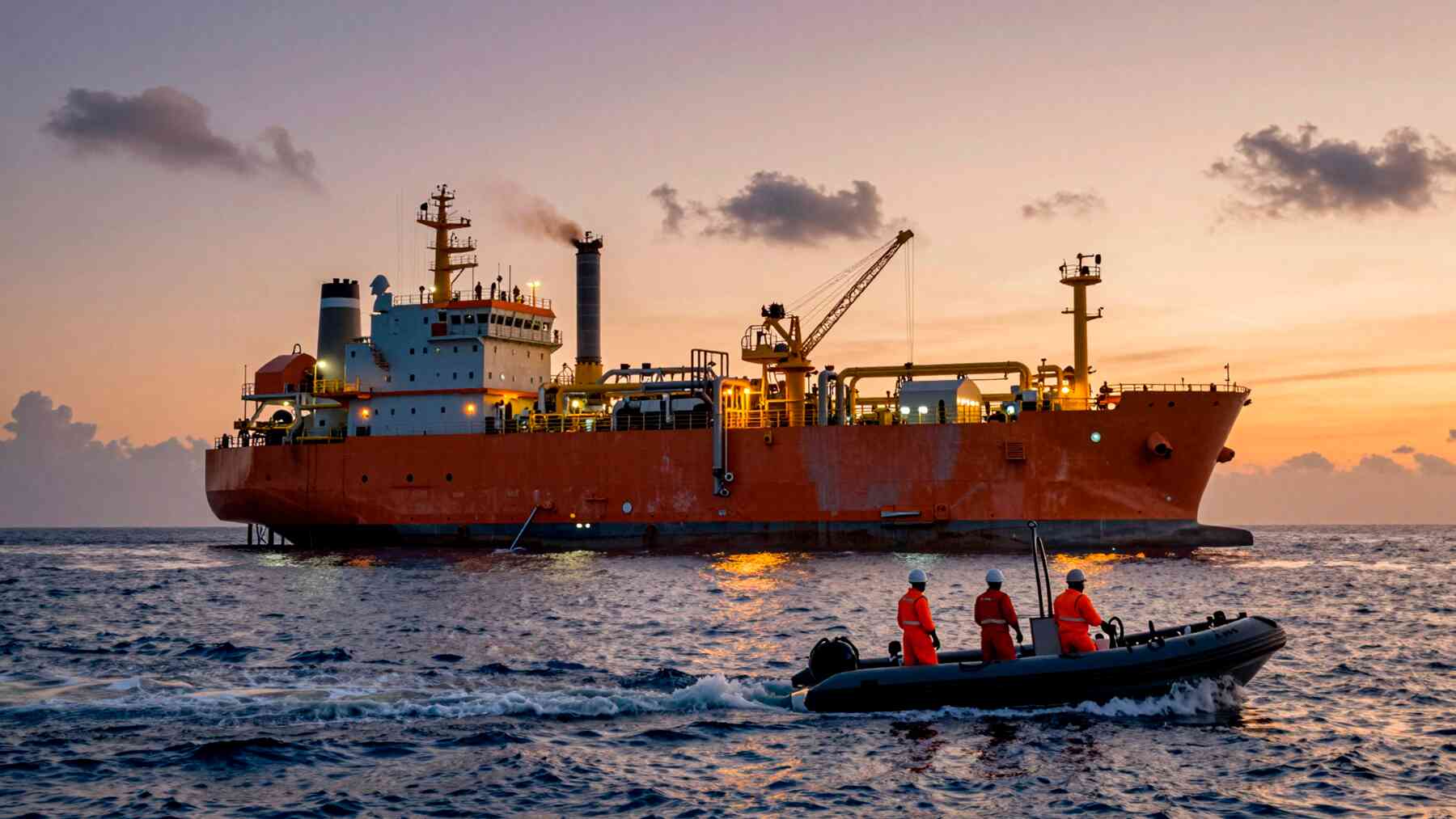
VAALCO Energy announced in late Q2 2026 that the Baobab oil field on the CI-40 block, offshore Côte d’Ivoire, has returned to production. The restart follows the completion of a nine-month refurbishment of the Baobab Ivoirien FPSO, which had ceased hydrocarbon operations in January 2025 and underwent the overhaul in Dubai before being redeployed to the field.
Production restarts at Baobab field
As of late Q2 2026, VAALCO Energy confirmed that the Baobab field on the CI-40 block is back online. Four of the field’s seven producing wells have already resumed output, with the remaining three expected to follow shortly. Field performance is tracking in line with internal expectations — a steady indicator after more than a year of inactivity.
The CI-40 block license extends through 2038, giving VAALCO a long operational runway on what it considers a significant asset. That timeline carries real weight. The production restart is only the opening move in a broader development strategy the company is now actively executing.
An aging FPSO unable to handle increased throughput would have constrained any drilling ambitions — making the refurbishment a prerequisite rather than a detour.
Why the FPSO went offline: a planned nine-month overhaul
The Baobab Ivoirien FPSO did not go offline unexpectedly. In January 2025, the vessel ceased hydrocarbon operations on a planned schedule and traveled to Dubai for a nine-month refurbishment program.
The overhaul had a clear purpose: extending the vessel’s operational life and ensuring it could support future development work at the field. An aging FPSO unable to handle increased throughput would have constrained any drilling ambitions — making the refurbishment a prerequisite rather than a detour. After completing the work in Dubai, the vessel returned to Côte d’Ivoire in early Q2 2026, was moored back into position, and reconnected to the field’s subsea infrastructure before production resumed from the four initial wells.
Drilling program planned for the second half of 2026
The refurbishment was not simply about maintaining existing production. It was preparation for what comes next. VAALCO plans to launch a development drilling program at Baobab in the second half of 2026, and the FPSO needed to be capable of handling the additional output that program is expected to generate.
The Phase 5 drilling program is expected to include four producers, two to three injectors, and two workovers — activities intended to add meaningful production volumes from the main Baobab field, a notable step up from the current restart configuration.
CEO George Maxwell described the timing as a pivotal moment for the company, citing both the Baobab restart and concurrent results from VAALCO’s Gabon drilling campaign as key milestones. He called the remainder of 2026 potentially “very impactful” for the business, pointing to execution and organic growth as the primary drivers of shareholder value in 2026 and beyond.
VAALCO’s growing position in Côte d’Ivoire
Worth noting is just how quickly this position was built: VAALCO had no assets in Côte d’Ivoire as recently as early 2024. In roughly two years, the company has developed what it now characterizes as a strong foothold with both development and exploration potential.
The CI-40 license running through 2038 provides the kind of long-term certainty that makes sustained capital deployment viable. VAALCO has indicated it sees significant development drilling upside at Baobab beyond the current Phase 5 program, suggesting the field could remain a core production contributor for years ahead. Côte d’Ivoire now sits alongside Gabon as a pillar of the company’s West African portfolio, and the rapid build-out there reflects a deliberate push to expand through targeted acquisitions and focused development work.
Three wells to add to four
The Baobab field restart marks the end of a planned nine-month interruption and the beginning of a more active phase for VAALCO in Côte d’Ivoire. Four wells are producing now; the remaining three are expected online shortly. The Phase 5 drilling program — four producers, two to three injectors, and two workovers — is scheduled to begin in H2 2026. The CI-40 block license runs through 2038, and the company sees meaningful upside well beyond the current program. For an operator with no presence in the country just two years ago, the position has changed considerably.
Kelly is an experienced writer with 15 years of experience exploring the big stories that shape our world, from tech breakthroughs and space exploration to climate, energy, and the fascinating quirks of science. She has a talent for turning complex ideas into sharp, memorable insights that stay with readers long after they’ve finished reading.
